Presented at SXSW 2018, “Rogue Robots and the Potential for Cyberattack” examines the challenges facing today’s industrial robots.
What happens when we connect robots to the same networks we've been struggling to secure for years?
I've been looking at that question with our research teams. It takes us into operational technology: systems where software controls something in the physical world.
There are some uncomfortable findings here. There are also some very practical things we can do to help.
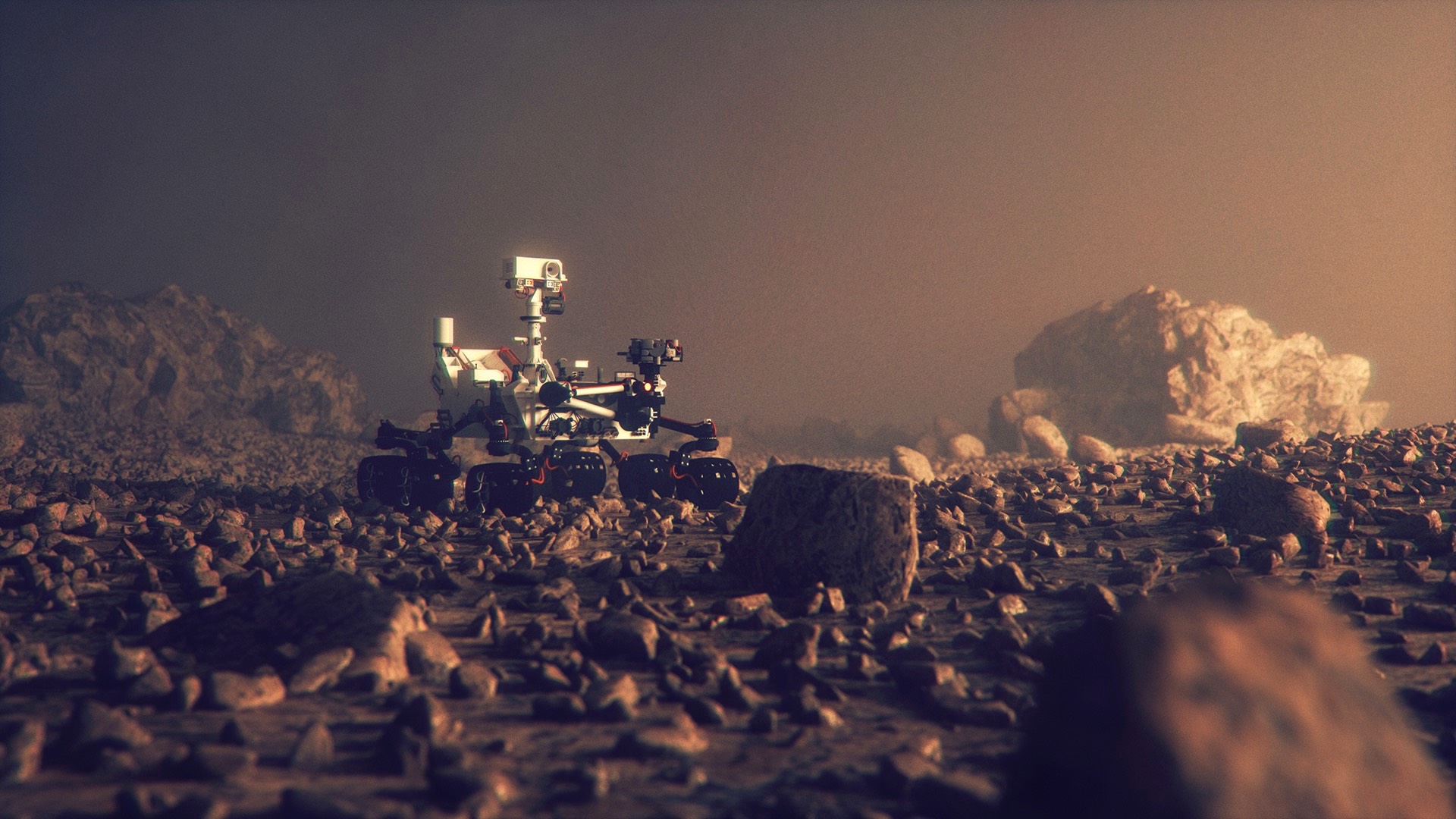
Say "robot" and you might picture something like this.
A machine exploring a place that people can't easily reach. An impressive combination of hardware and software, built for a very specific job.
Or your mind might go here.
Science fiction has given us plenty of reasons to be nervous about robots. It also sets some pretty dramatic expectations for what a robot going wrong looks like.
The problems we're going to look at can be much subtler than that.
A lot of our ideas about robots start with a human shape. Hands, arms, a head, something we recognize.
For this discussion, the useful question is what the machine does. When software can move something in the real world, its security problems can have physical consequences.

The Terminator is another obvious reference.
And, for the record, there are only two Terminator movies. We're all better off agreeing on that. 😉
We don't need anything this dramatic to create a problem. A small, unwanted change in how a machine works can be enough.
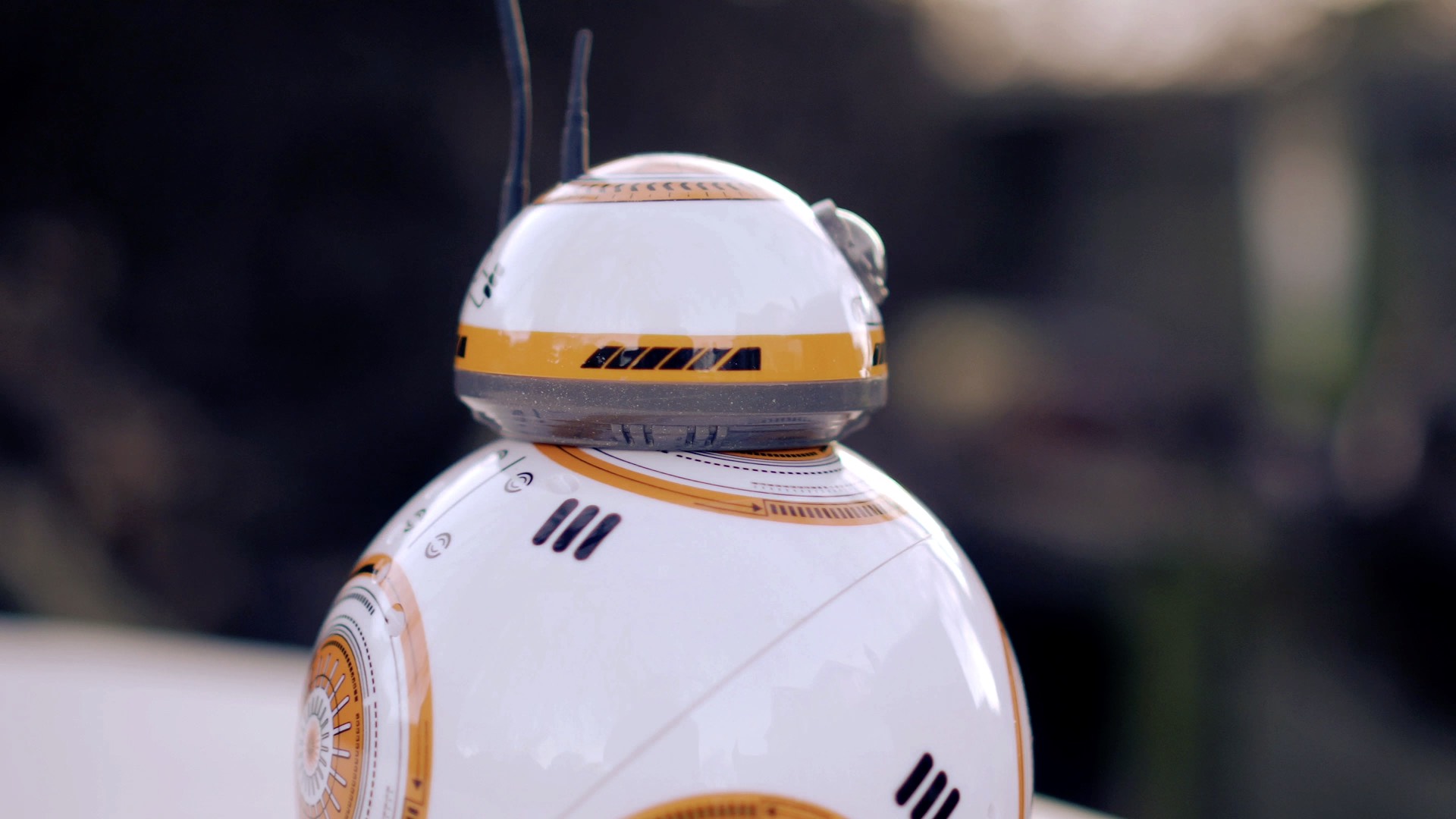
At the friendlier end of the spectrum, there's BB-8.
We even have toys that let us bring a little of that idea home. Robots can be entertaining, useful, and easy to get attached to.
That makes it easy to focus on what they can do and skip over what they need to be protected from.

We've been imagining robot helpers for a long time.
The Jetsons takes us from 1963 to a new comic series in 2017. The idea of machines doing everyday work for us is familiar across generations.
Now we're gradually turning that expectation into products.
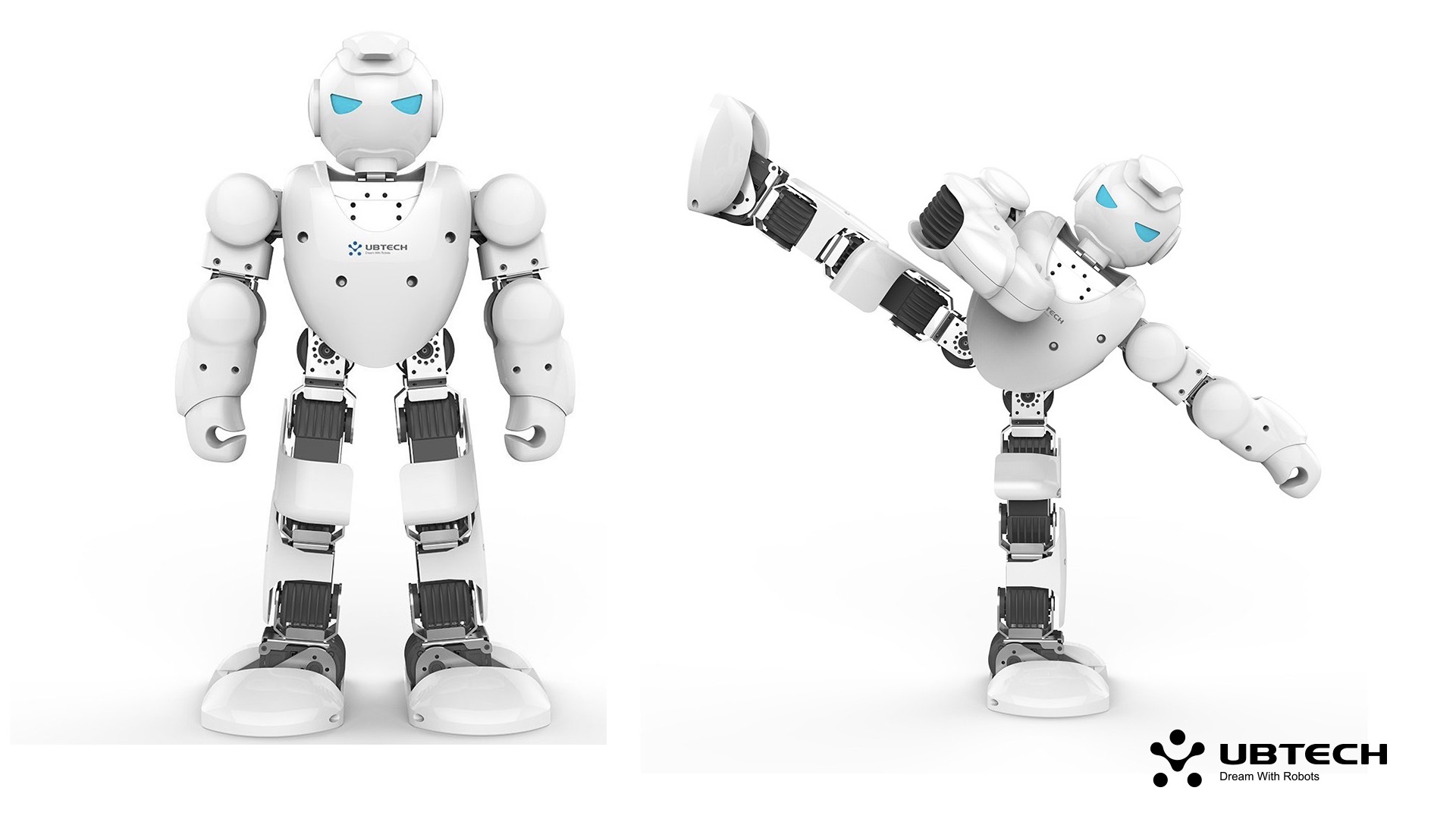
Some of those products are robots for entertainment and education, like this one from UBTech.
They're a very approachable introduction to programming a machine that moves. Give it instructions and you can see the result right in front of you.
That connection between instructions and movement is what we're going to keep coming back to.
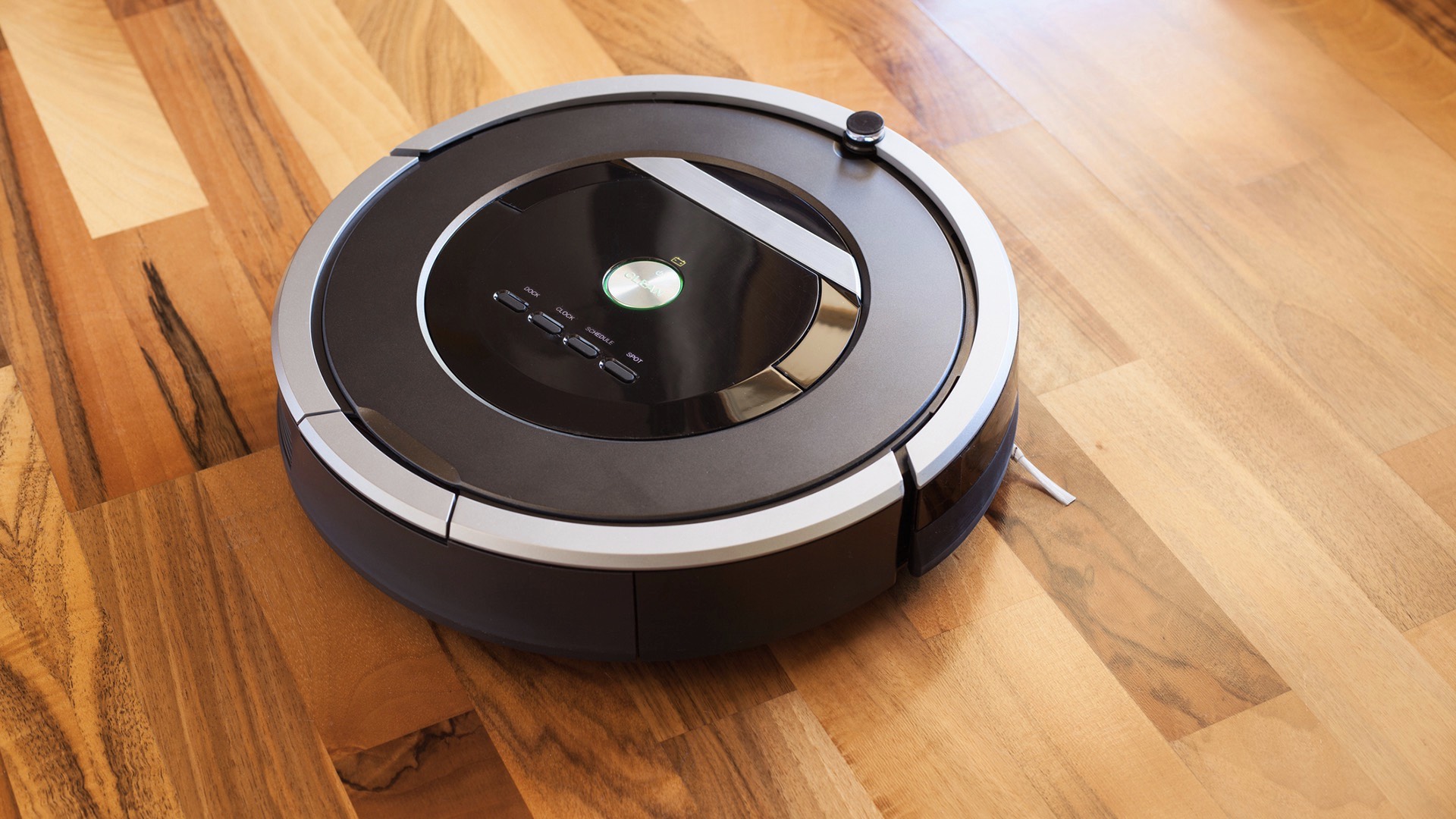
Other robots already have a fairly ordinary place in our homes.
A robot vacuum has a simple job: move around the house and clean the floor. It doesn't need to look like a person for us to hand that job over to it.
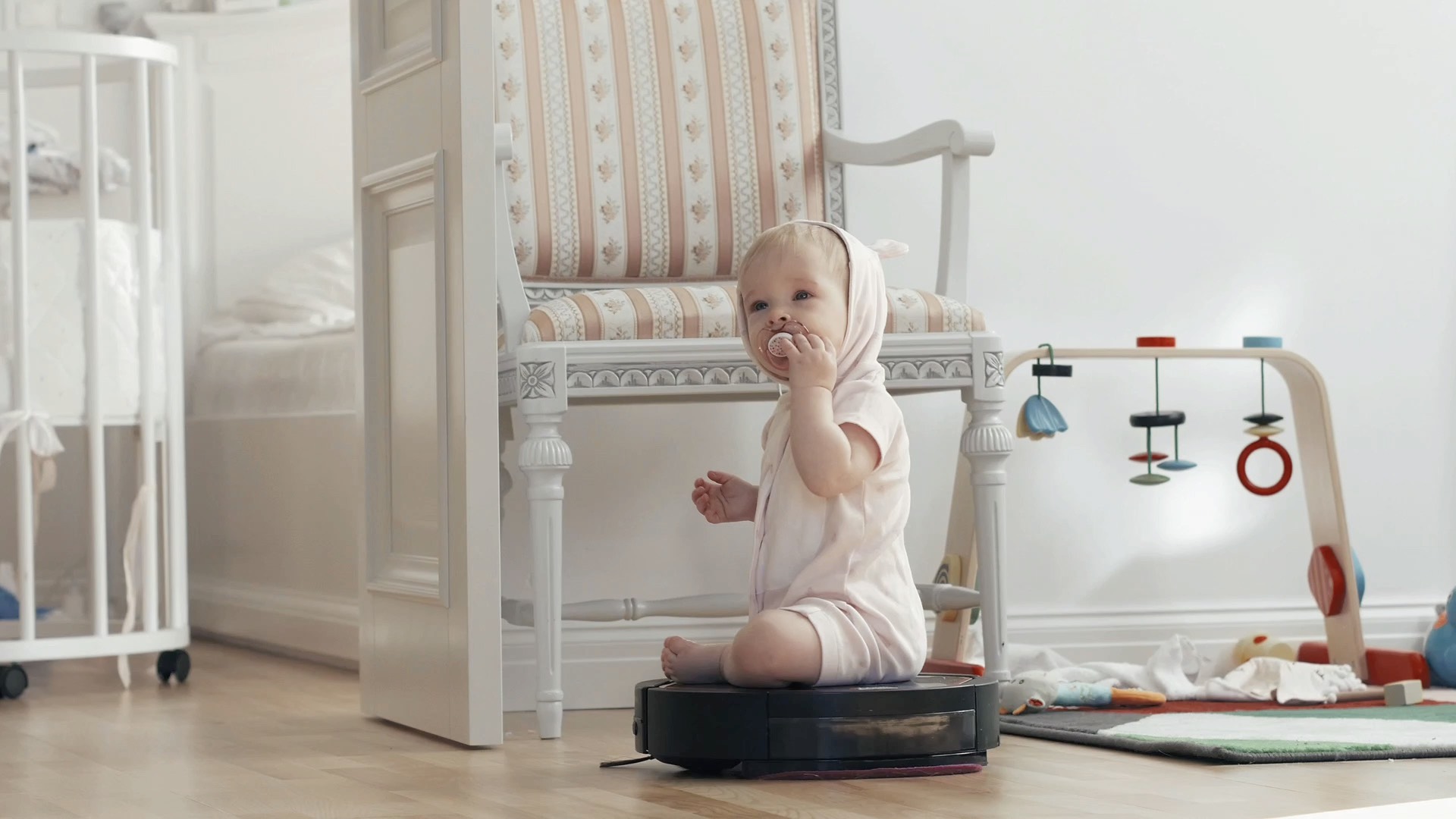
Of course, people will find uses the designers didn't plan for.
Apparently, a robot vacuum can also be a ride.
It's a funny example, but it points to a real challenge. A machine leaves the carefully controlled world of its design and ends up around people, doing things its designers may never have considered.
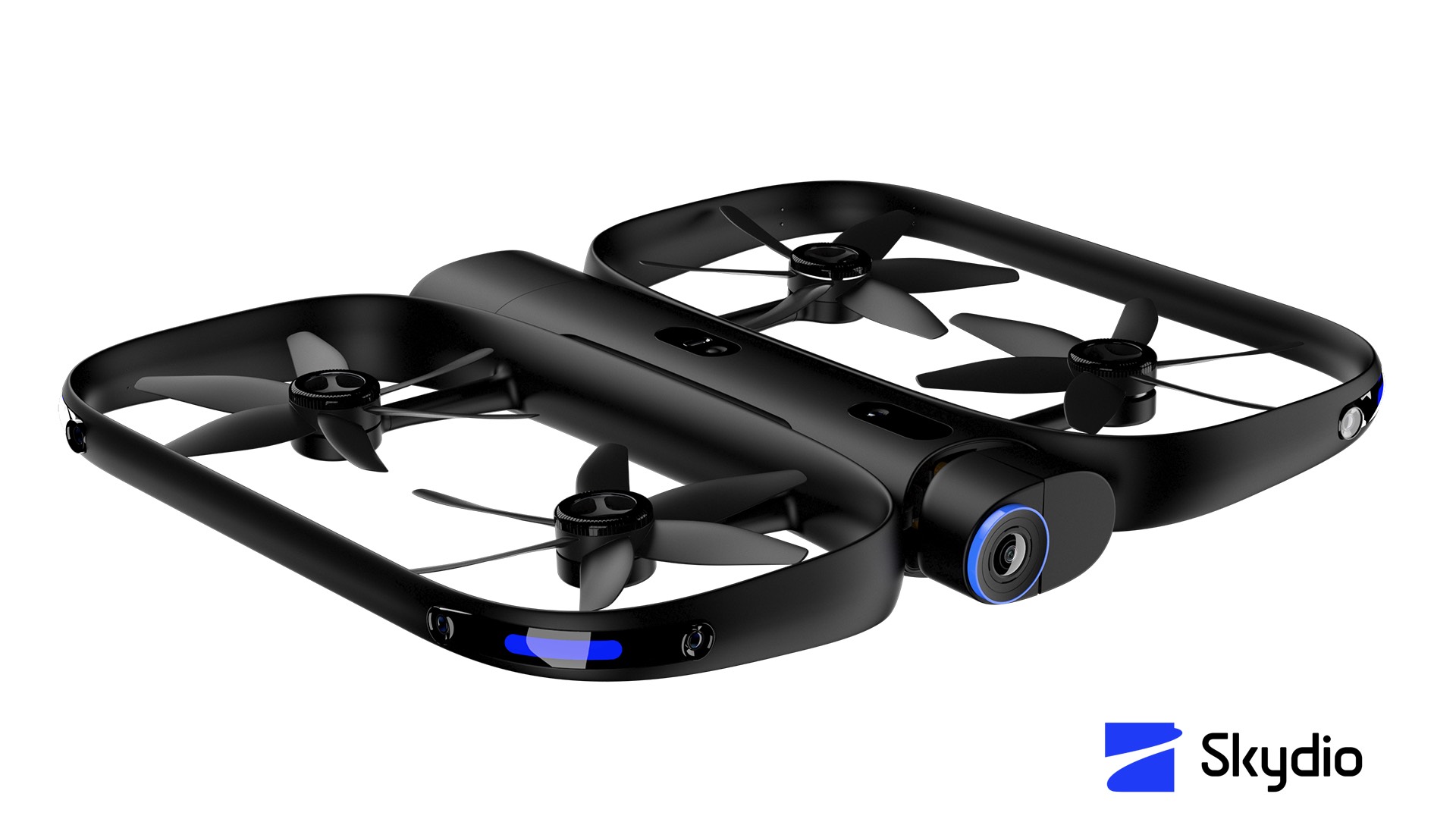
Then there's a self-flying camera, like the Skydio R1.
Getting the camera into the air is only part of the job. The machine also has to make sense of its surroundings and move through them.
Software decisions become physical movement very quickly.
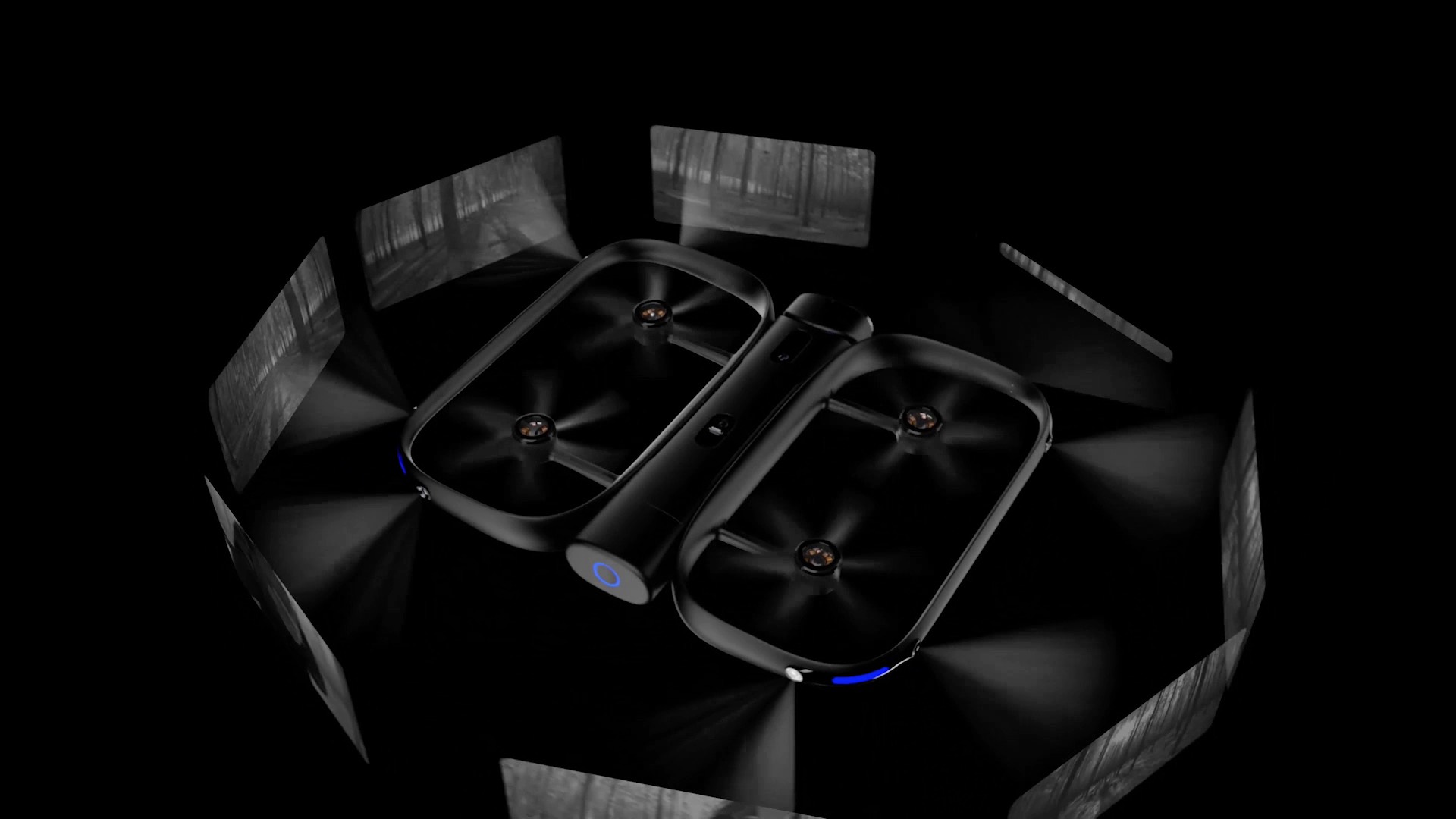
There's a lot going on underneath that camera.
Sensors provide information. Software uses it to make decisions. Motors turn those decisions into movement.
If we're thinking about security, we need to consider that whole system. What happens when an input is wrong, an instruction changes, or a component stops behaving as expected?
Let's get into the nuts and bolts of this.
Operational technology is all around us. It's in factories, but it's also running heating and cooling, elevators, traffic lights, and other systems we rely on every day.
We're taking familiar computing problems and attaching things in the physical world to them.

That changes the risk.
We already have plenty of challenges securing IT. Add a machine that can move, build, or damage something and the consequences become much more complicated.
We need to look at those consequences directly and use evidence to make decisions. It is computer science, after all. Not computer guessing.
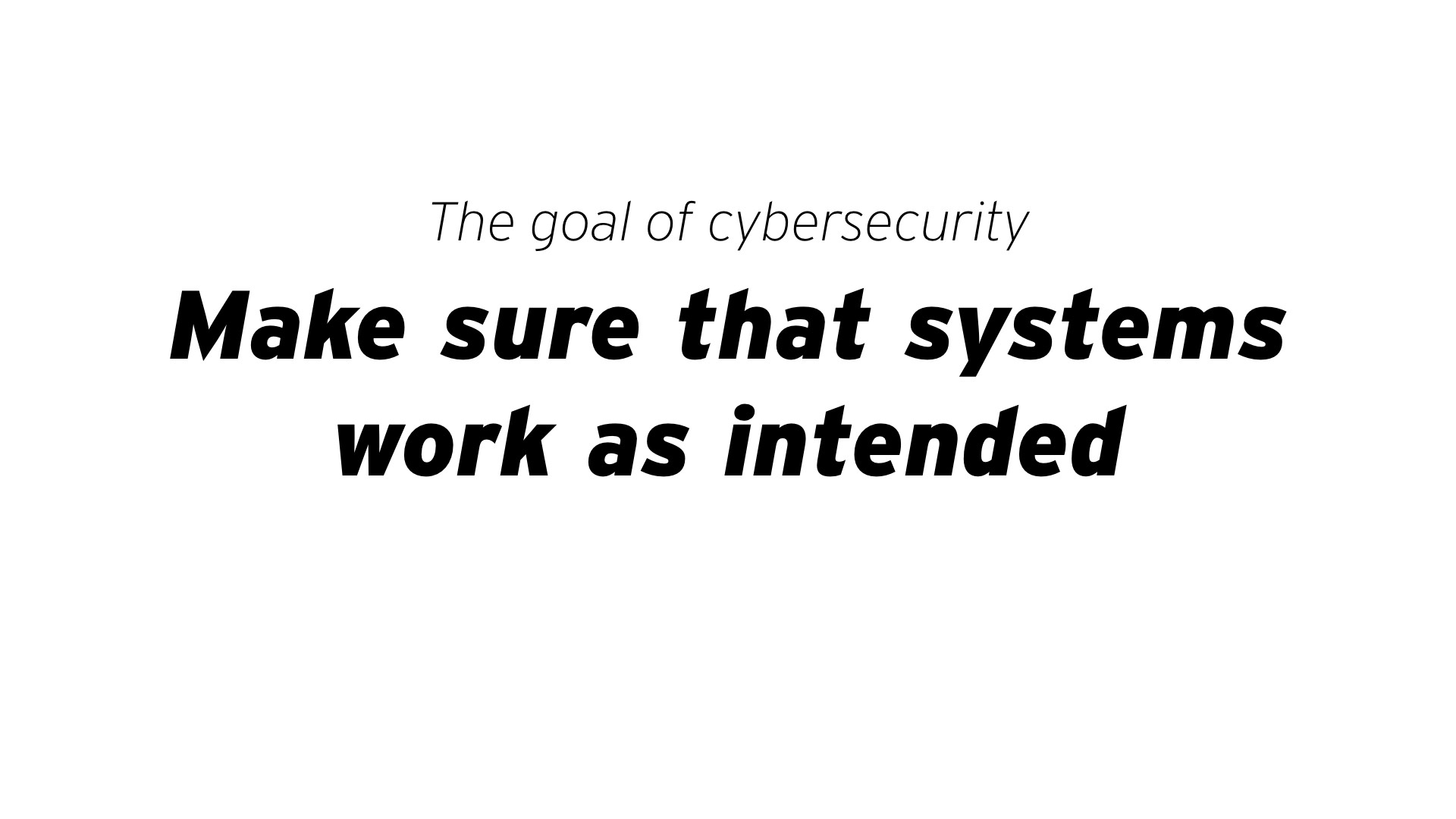
For me, the goal of cybersecurity starts here: make sure that systems work as intended.
That requires us to understand what we're building and why. We have to work with the people who use and operate the system to know what a good outcome actually looks like.
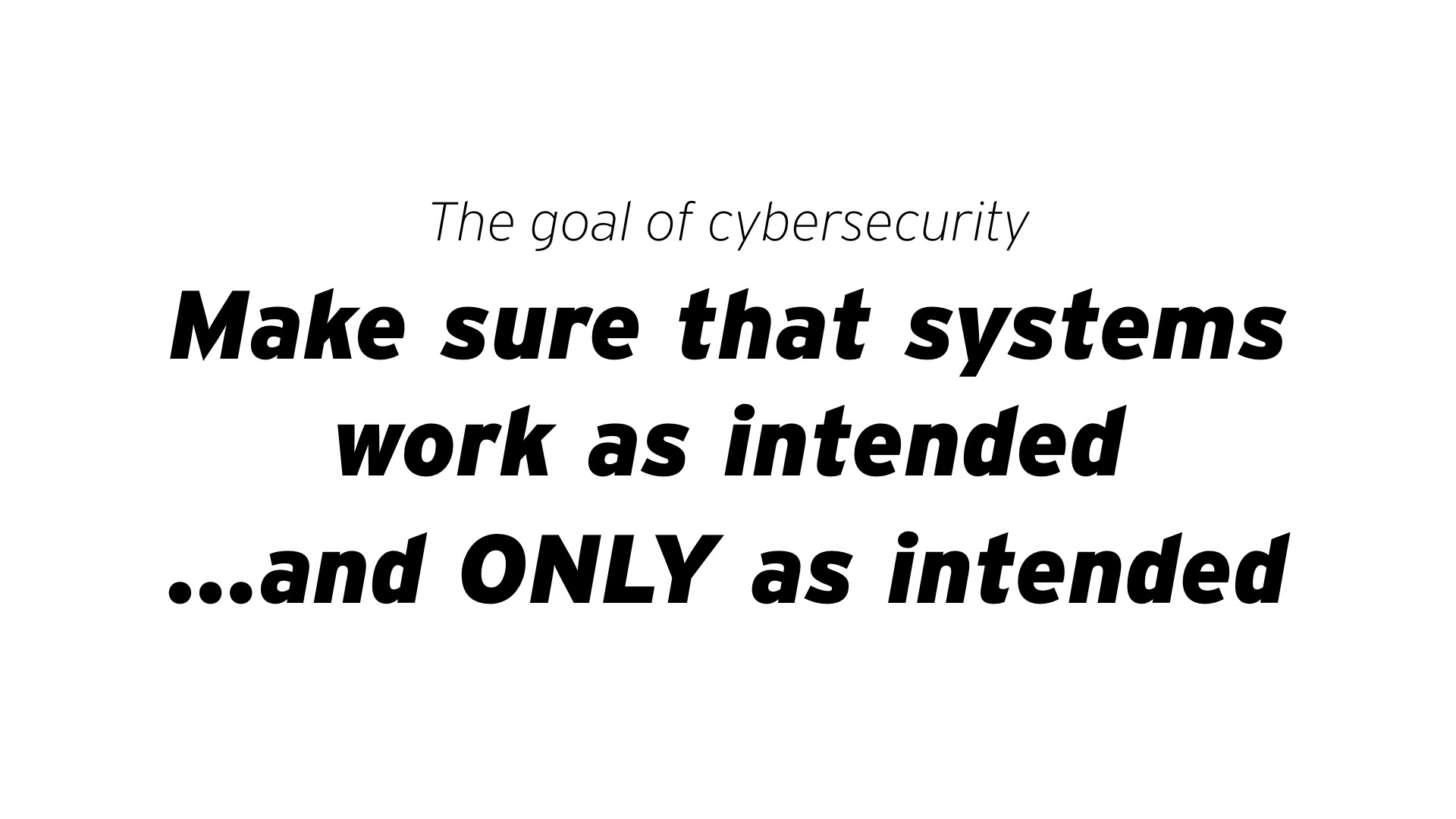
But that goal is missing a key clause, '...and only as intended'.
Both parts matter.
Stopping malware, preventing exploits, and protecting information all contribute to that goal. But the goal is bigger than any one security control. We're helping the rest of the business deliver the result it needs, without opening the door to unwanted behaviour.

Security is also a business decision.
In IT, we have some familiar ways to reason about that decision. How much would an incident cost? How often do we expect it to happen? What would it cost to reduce that risk?
Annual loss expectancy gives us a starting point for that conversation.

Think about a business selling things to customers.
If we expect a problem to cost $100,000 over a year, spending $10,000 to prevent that loss looks sensible. Spending $1 million to prevent the same loss is a much harder argument to make.
The numbers won't always be that tidy, but we understand the basic decision we're trying to make.
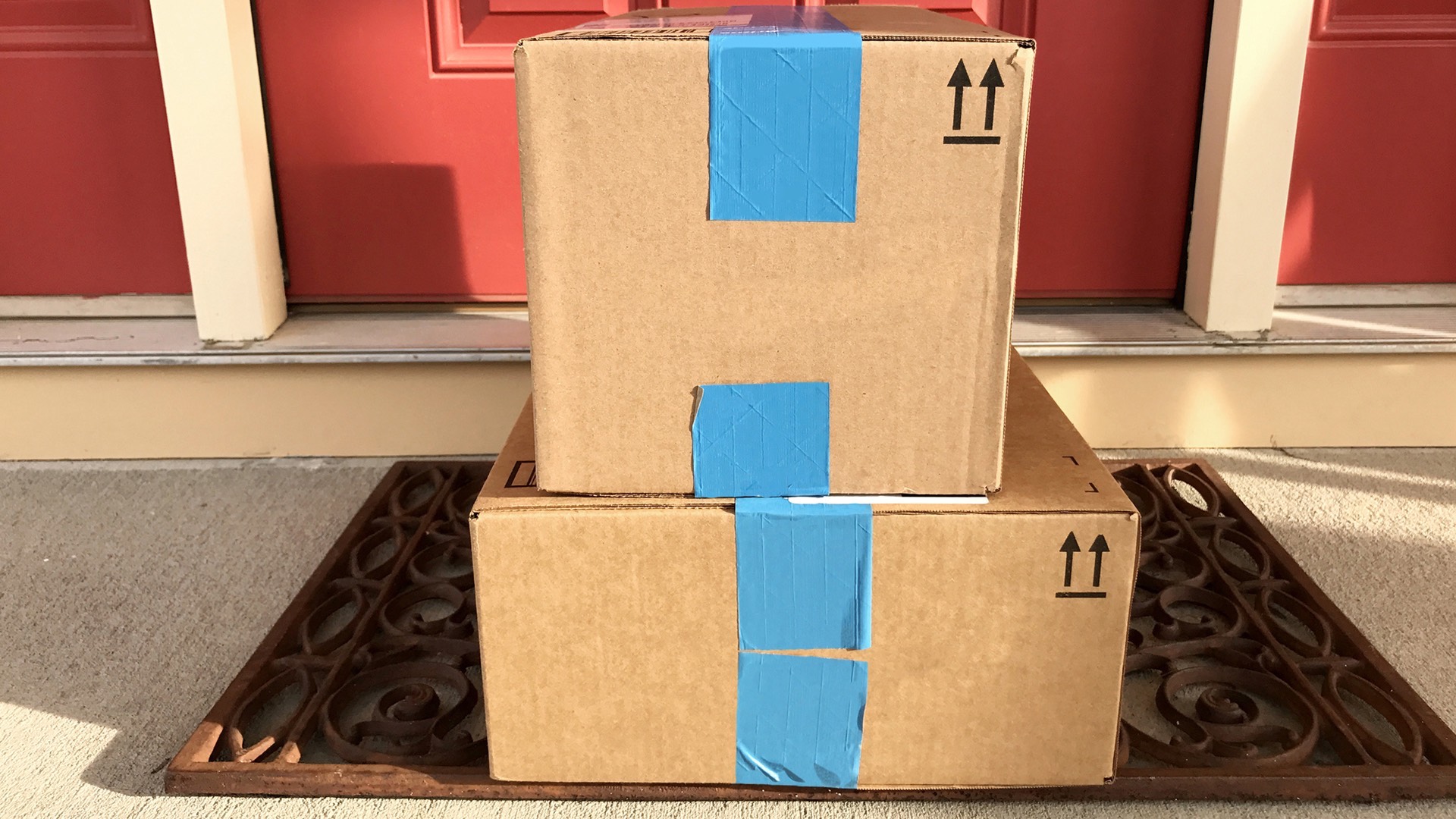
Now, with that same business let's follow the order beyond the checkout.
Someone has to make the product, move it, and get it to the customer. The website is one part of a much larger system.
As we automate more of that work, cybersecurity reaches further into the physical delivery of the service.
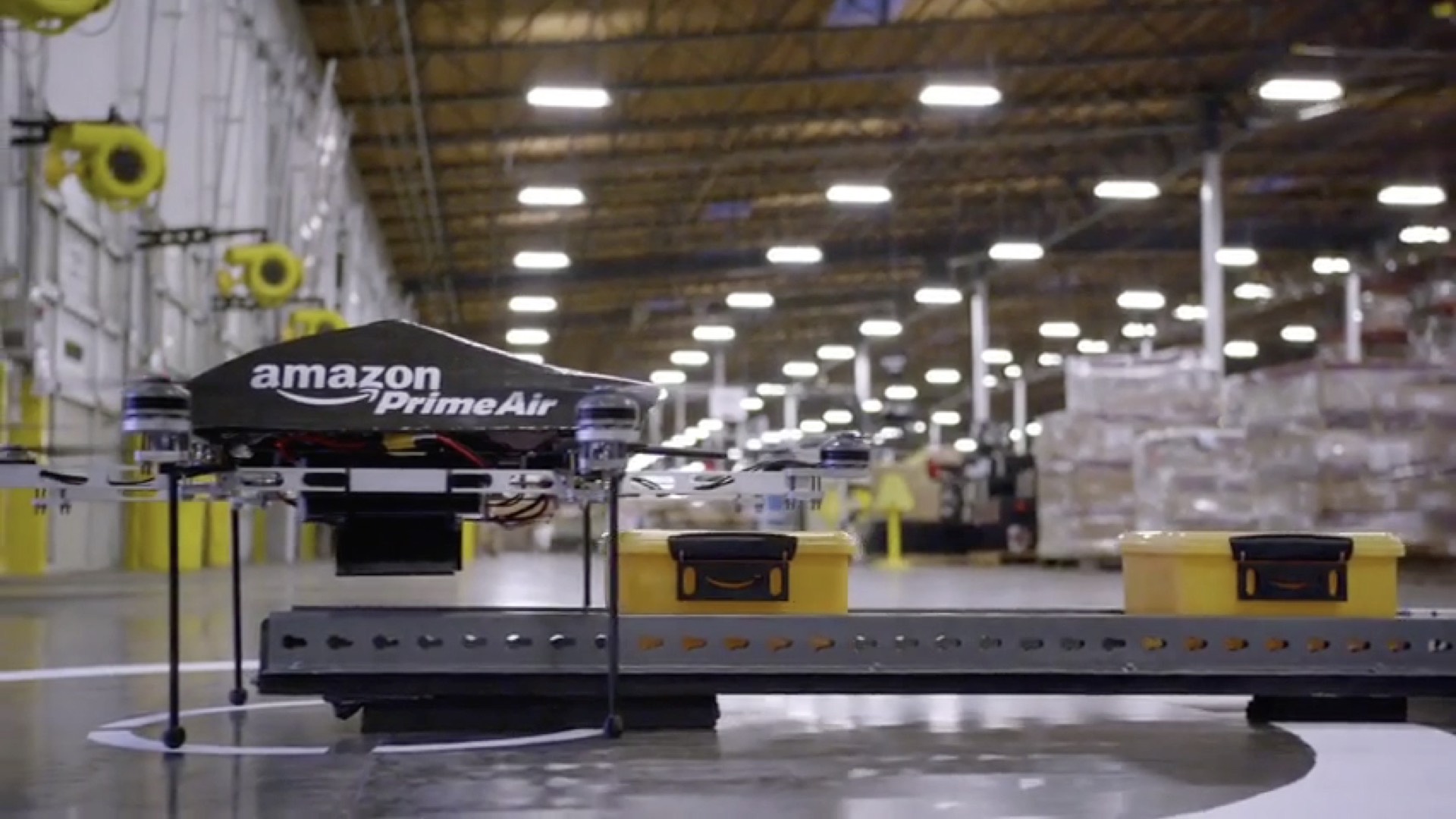
Drone delivery makes that connection very visible.
The package is a physical object. The delivery vehicle moves through the real world. Software is involved in deciding where it goes and what it does.
The security question has to include what happens around the machine as well as what happens inside it.
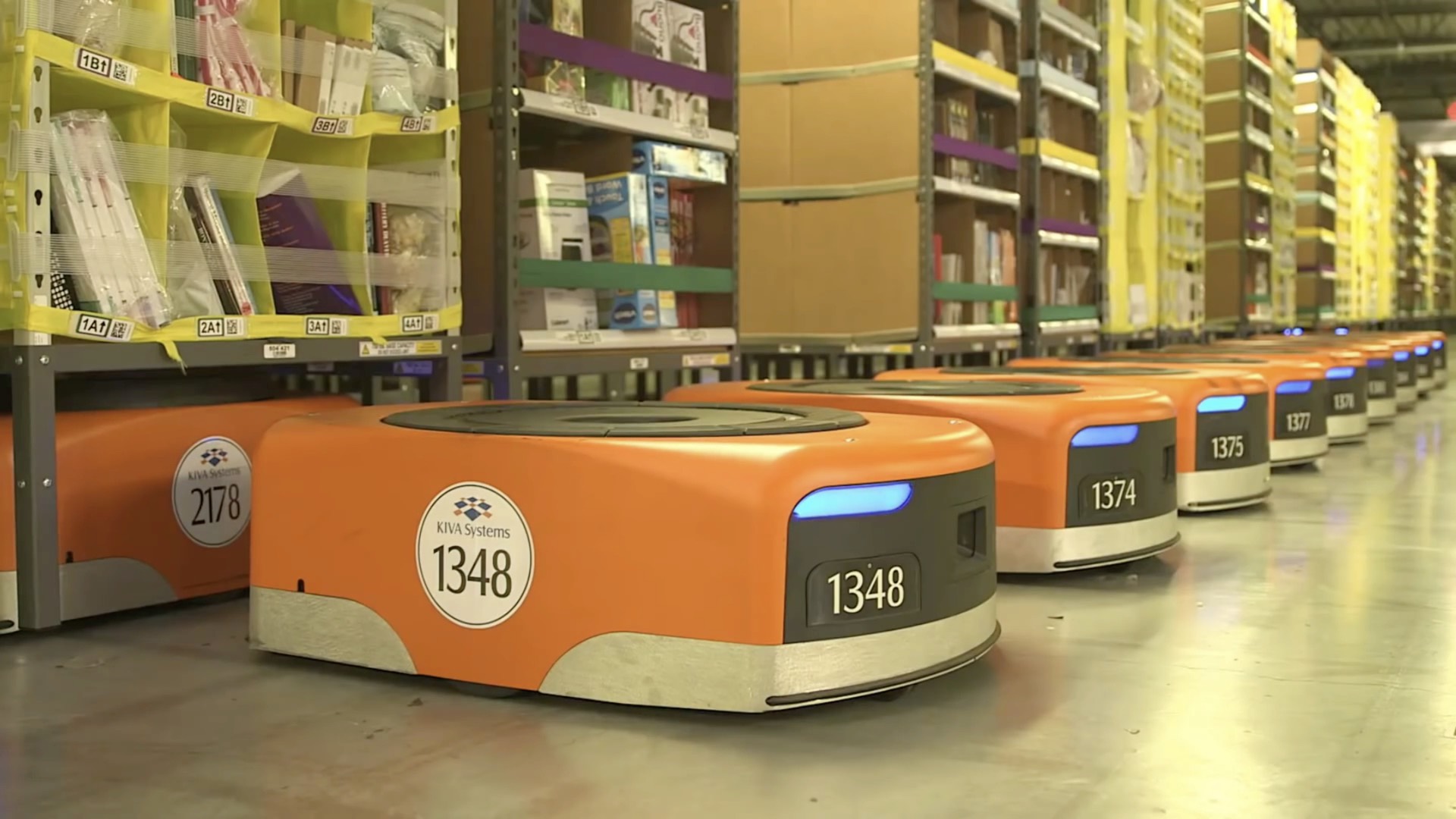
Warehouse robots are another example of that same shift.
Moving stock around is a practical business problem. Automating it can make a lot of sense. It also means that instructions on a network can result in shelves and products moving around a building.
This is operational technology doing everyday work.
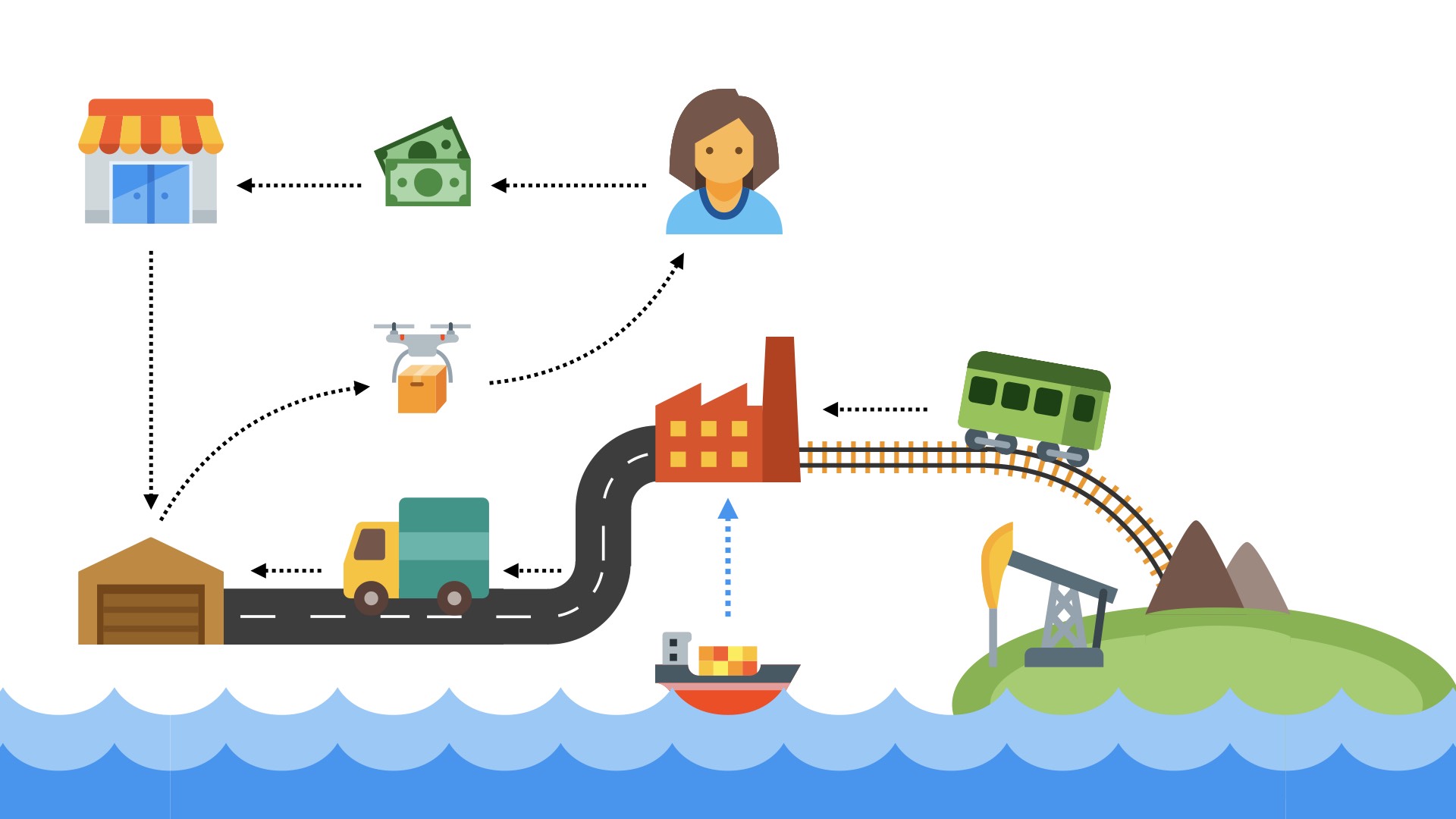
Keep following the chain and you reach warehouses, transport networks, factories, ports, and the sources of the materials themselves.
There are people, machines, and software throughout that chain. Connecting them helps the business coordinate its work, but it also creates dependencies we need to understand.
An issue in one part of the system can affect work somewhere else.
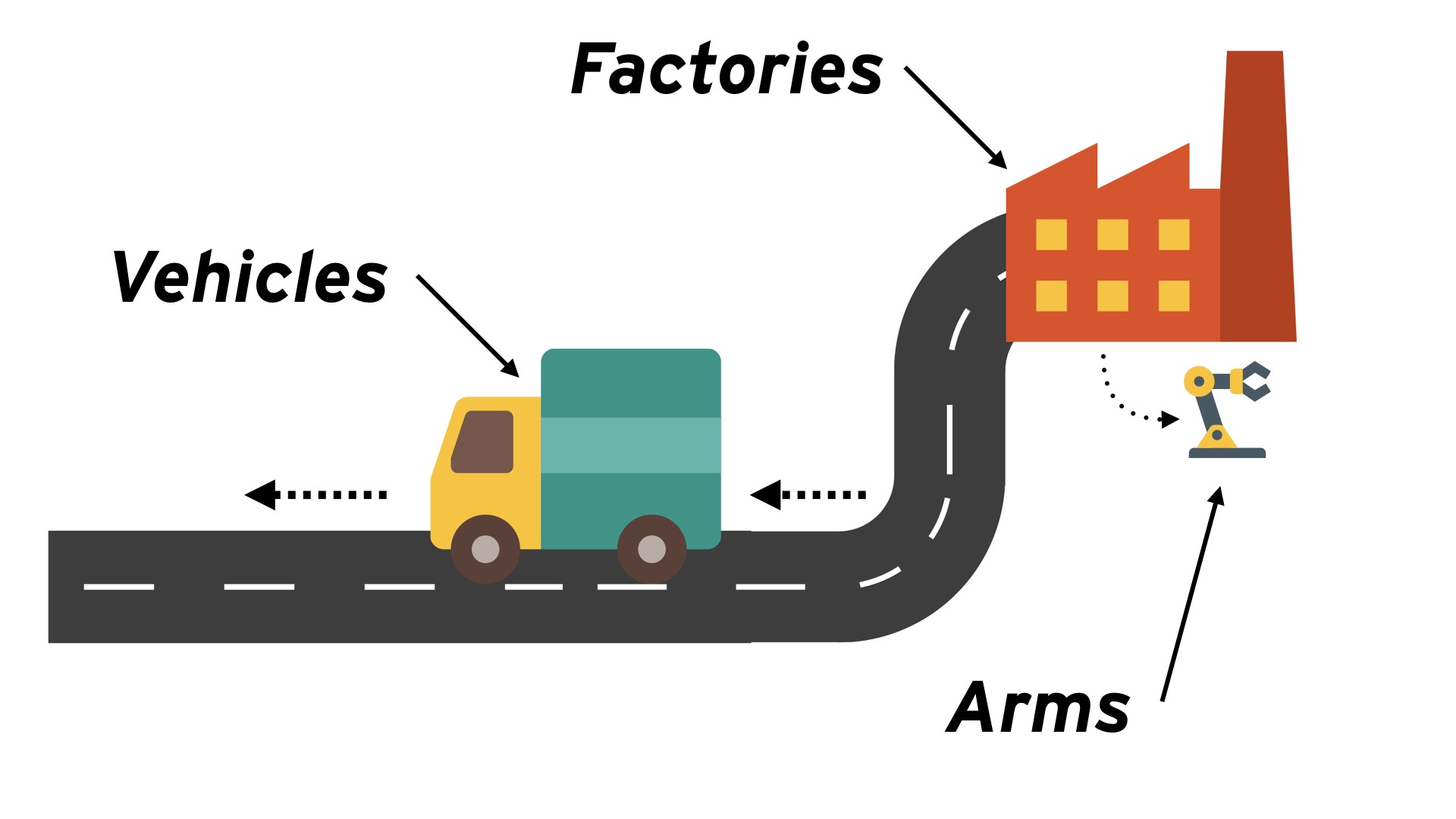
Let's focus on three parts of that picture: vehicles, factories, and robotic arms.
They do different jobs, but they share some very familiar security problems.
They also have something else in common. We expect them to keep working for years.
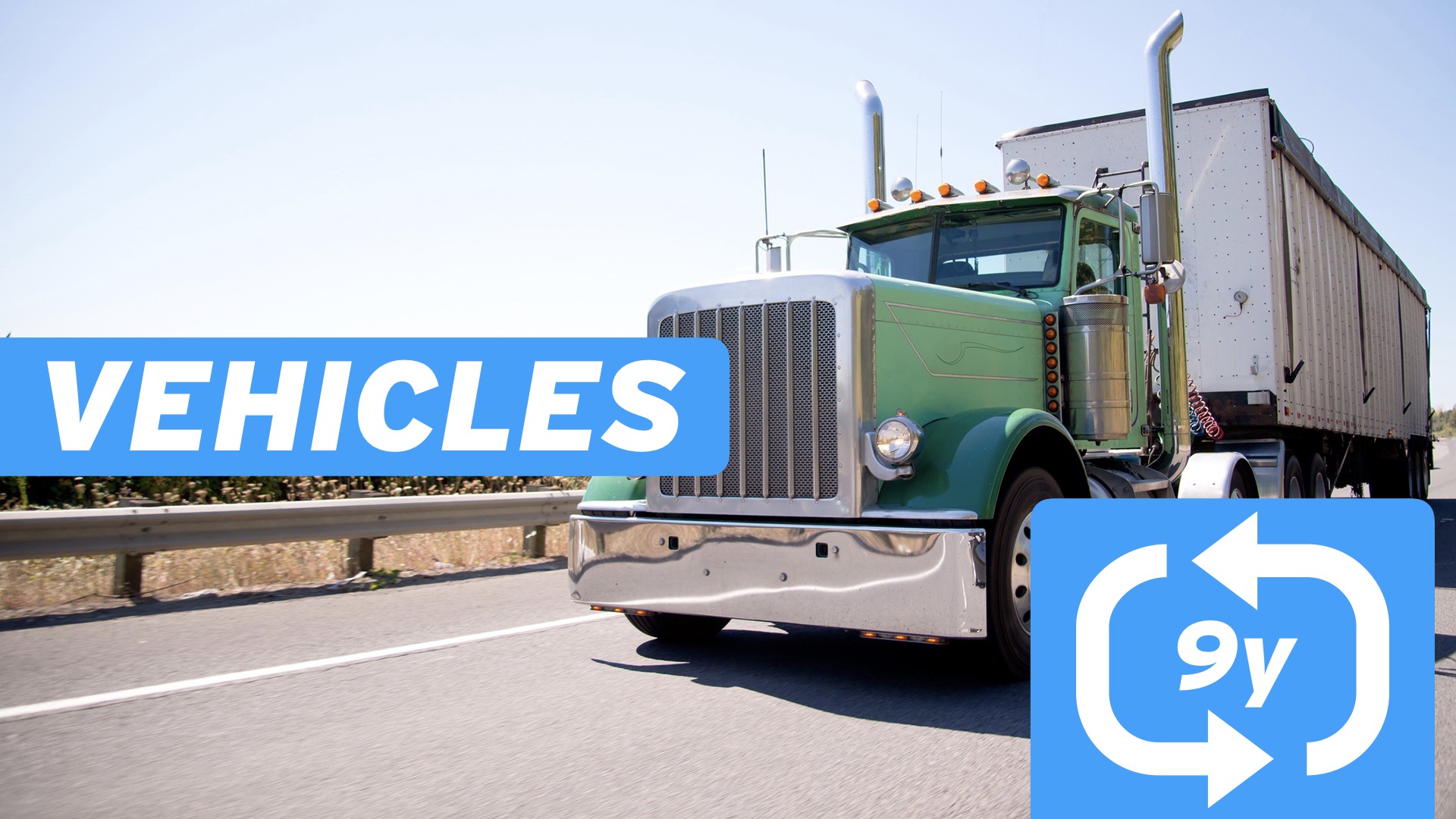
Vehicles
A freight vehicle has a lifespan of roughly nine to ten years. It can travel a million miles over that time.
That's a long time to support the computers and software inside it.
Now add autonomous driving. We're asking more of the technology without making the physical vehicle any easier to replace.
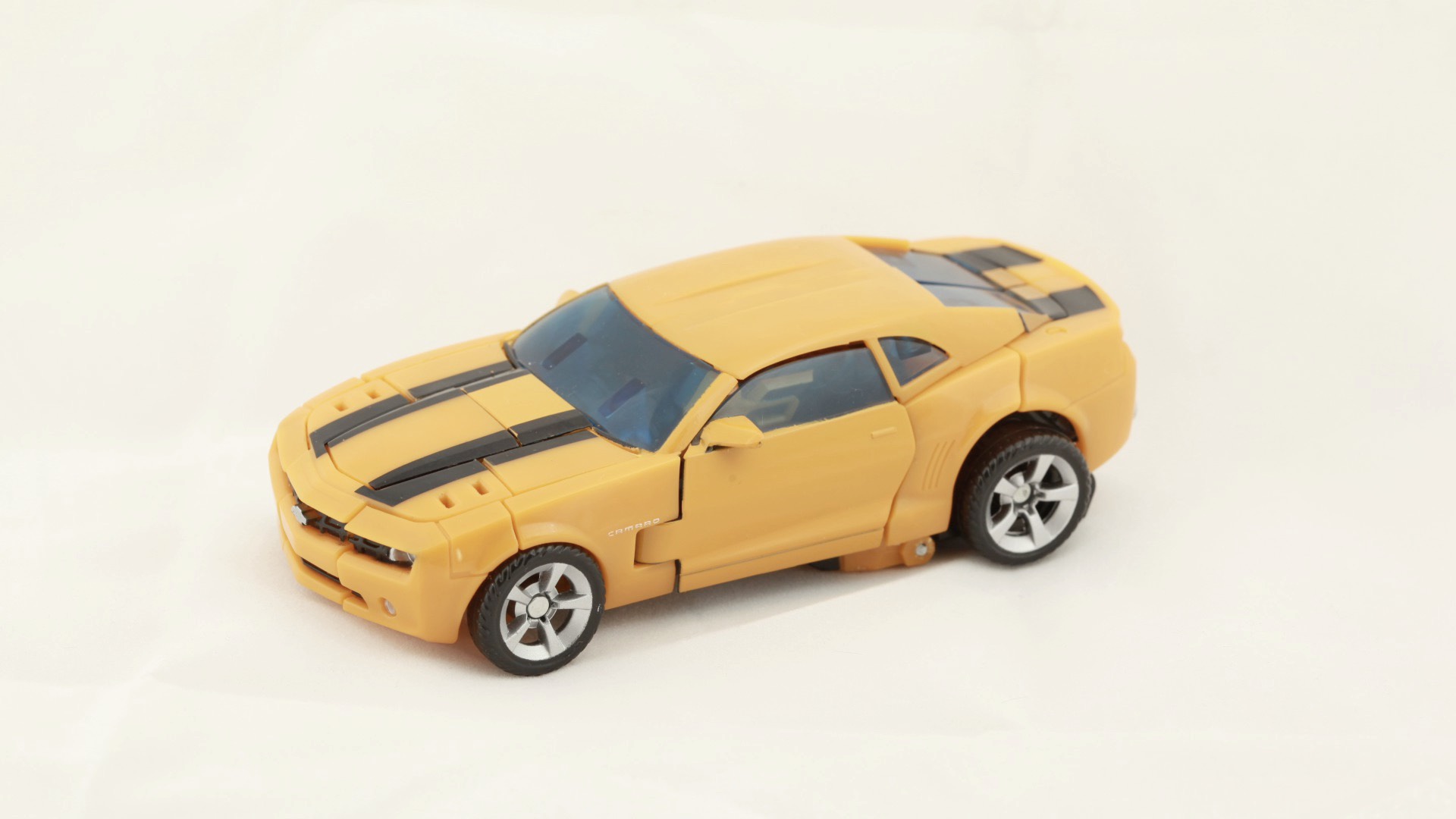
When I say "robot vehicle", this might be what you're hoping for.
That would be pretty cool.
But even a Transformer would have the same basic problem: you're not going to rebuild the whole thing every year because the software underneath it needs to change.
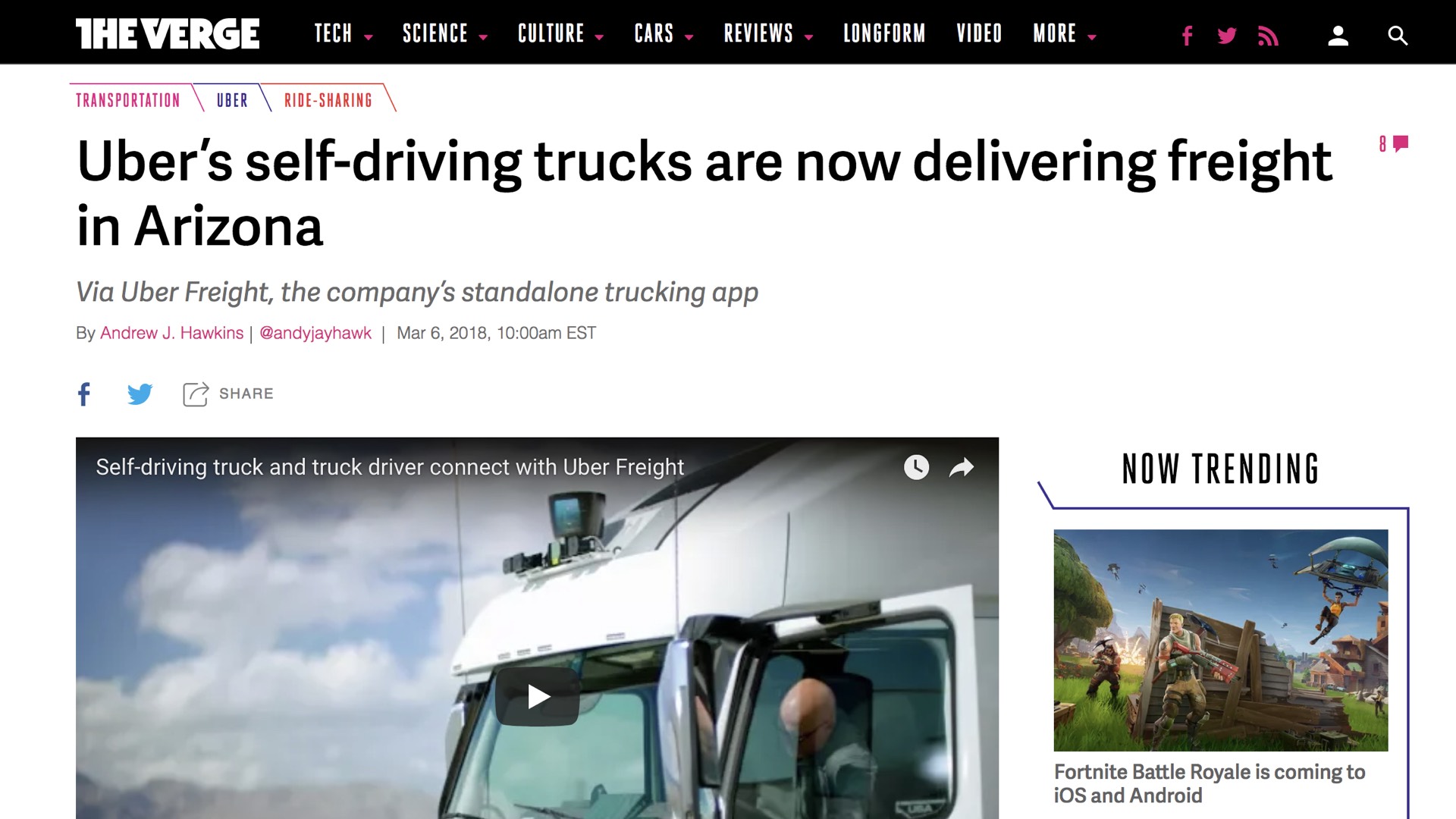
By March 2018, Uber was already using self-driving trucks to move freight in Arizona.
Freight is an interesting place to start. A lot of the journey is highway driving, which is a more constrained problem than navigating all the complexity of a city.
This is already moving beyond a research demonstration and into a working supply chain.
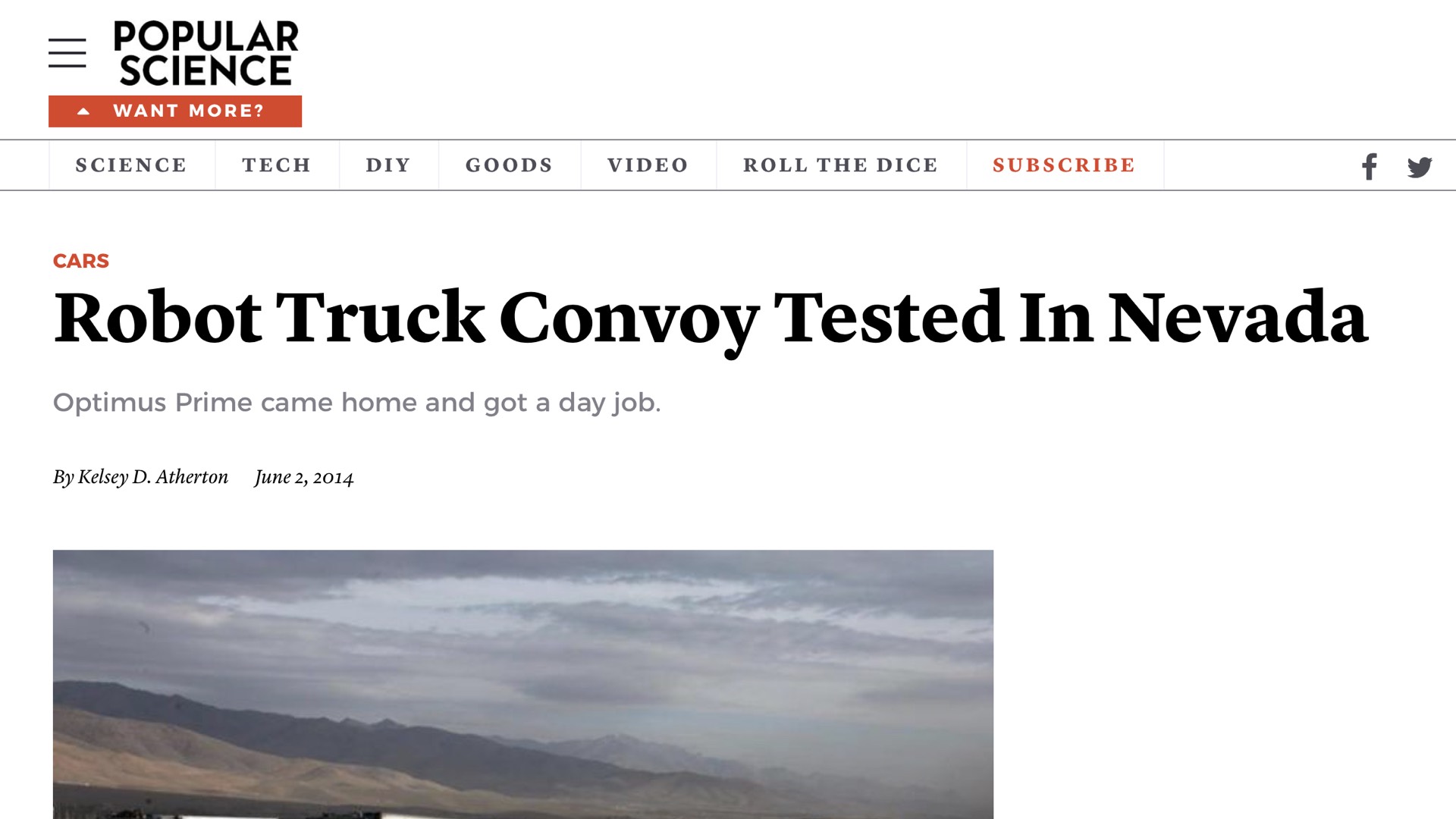
The testing goes back further. This article is from 2014.
I do have a problem with the subheadline, though. Optimus Prime already had a job. Saving humanity counts!
The important point is that this has been developing for years. As the capabilities improve, they still have to work with the underlying technology in the vehicle.
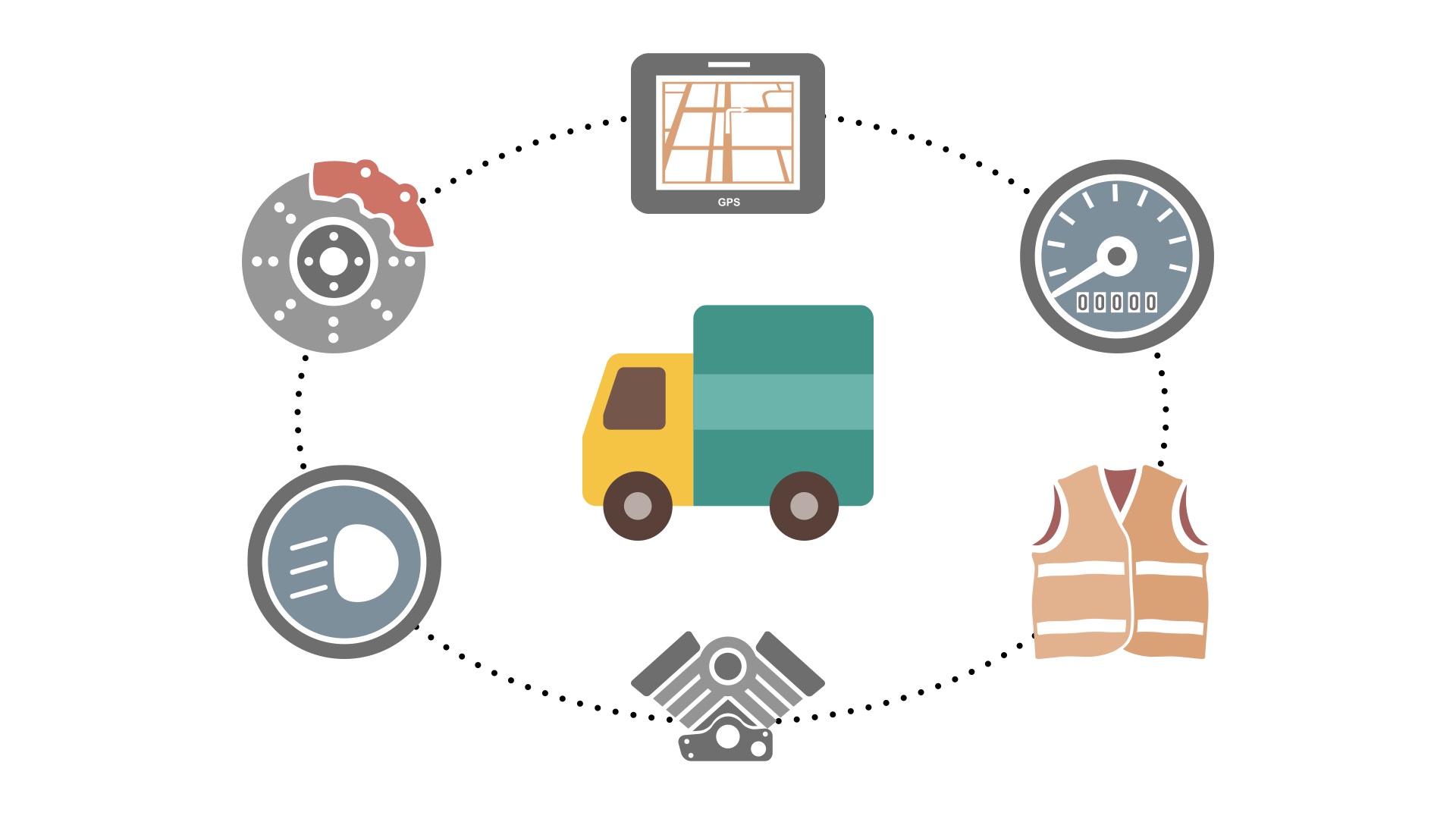
Even a vehicle that doesn't drive itself has a lot of components that need to talk to each other.
Braking, the engine, the dashboard, lighting, navigation, and other systems all need information.
There has to be a network inside the vehicle to carry those messages.
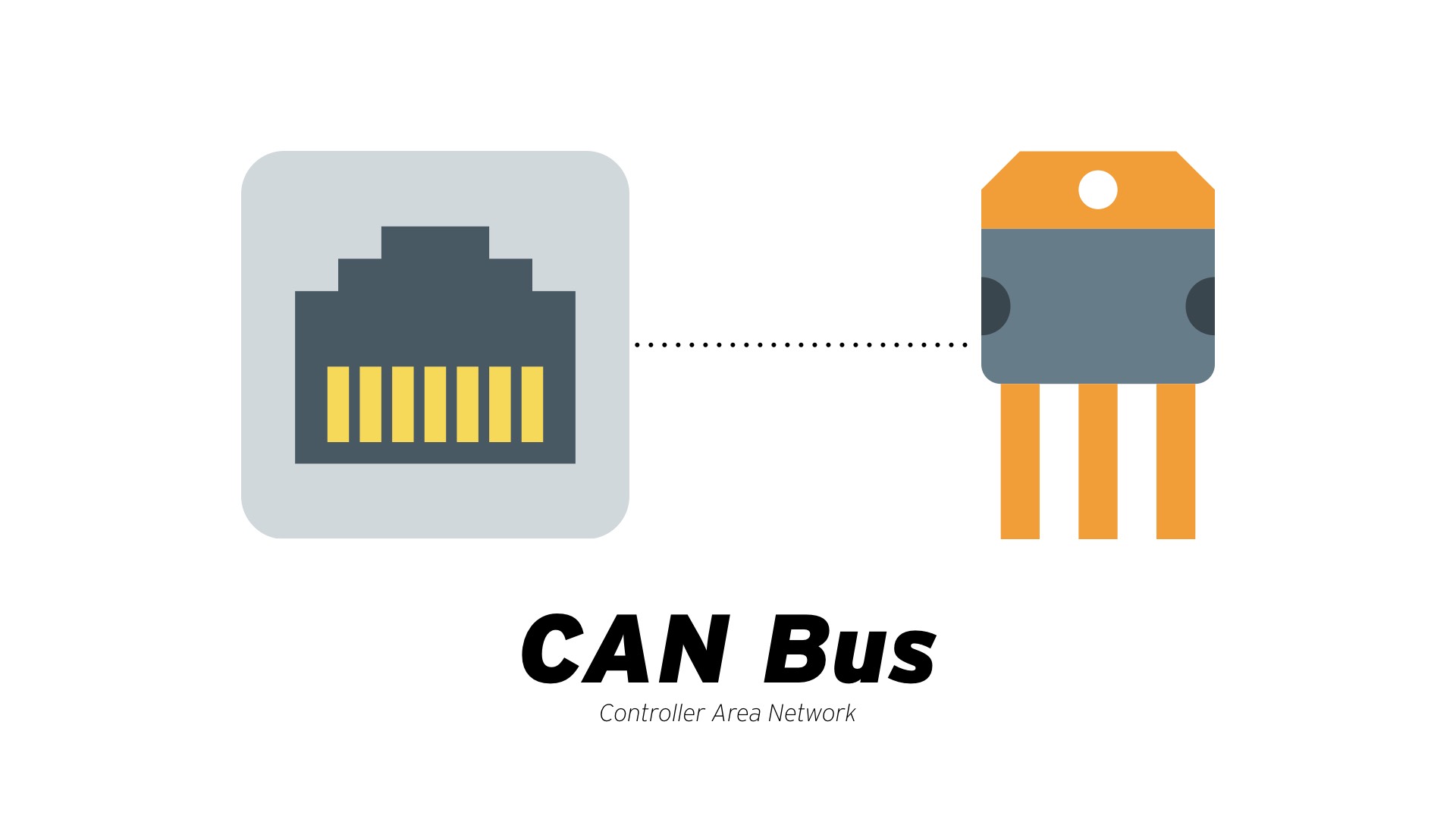
That's the CAN bus: the Controller Area Network.
It gives the different components a way to communicate. It's a very practical solution to an engineering problem.
The interesting question for us is what assumptions that solution makes about the devices sending messages.

The design dates back to 1986.
Think about how much computing has changed since then, and how different the expectations around connectivity were.
Even when a newer approach becomes available, it takes a long time to move through the design, production, and replacement cycles of vehicles.

For context, this is what a mobile phone looked like in that era.
It made phone calls. Sometimes.
The phone, the sweater, the portrait photography...there's a lot going on here. But that's the world the underlying network architecture came from.
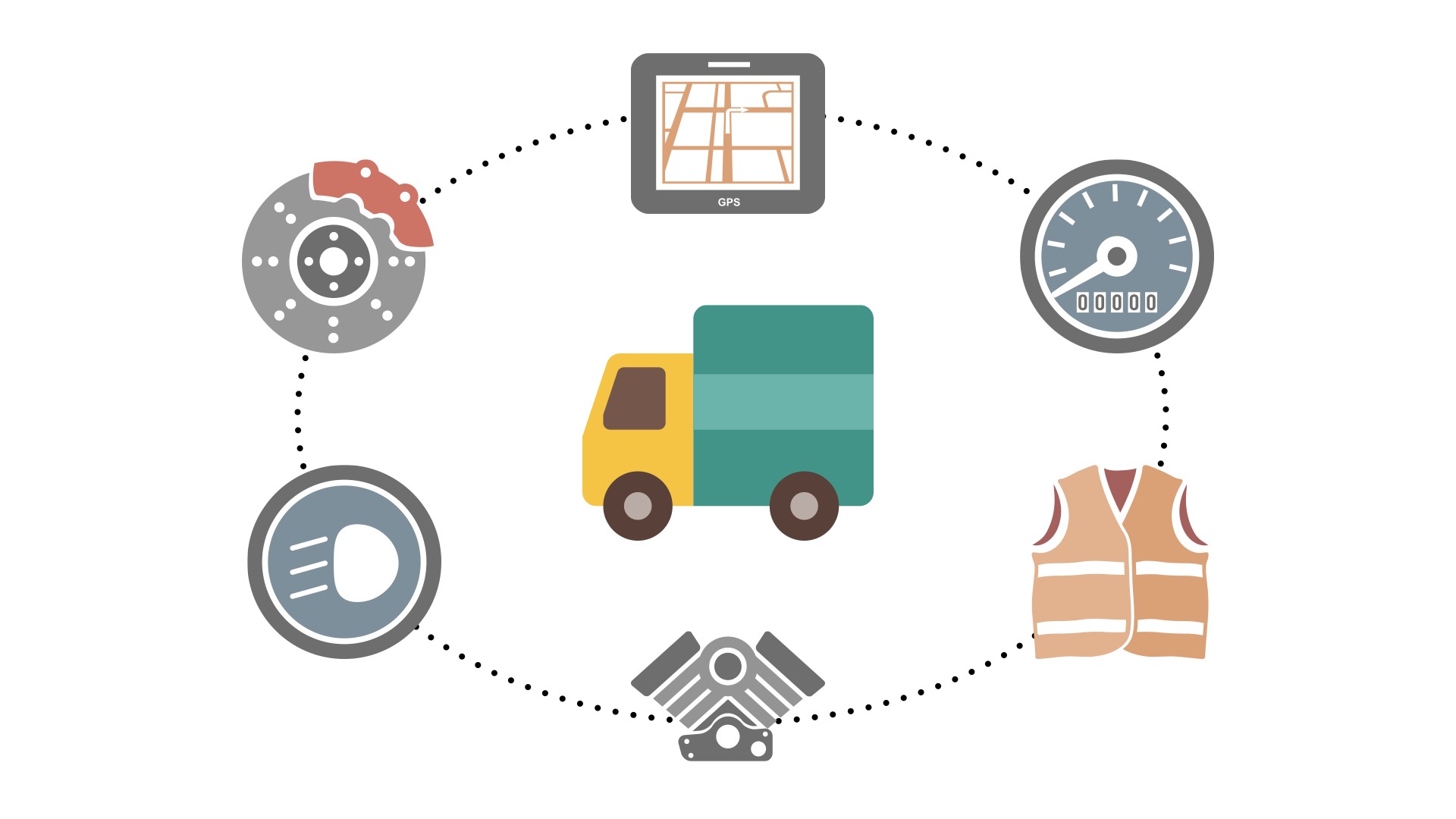
Now put that architecture back inside a vehicle with all these different systems attached to it.
There were good engineering reasons for designing it this way. Physical constraints, wiring, cost, and reliable communication all matter.
The challenge is that we've since asked it to operate in a much more connected world.
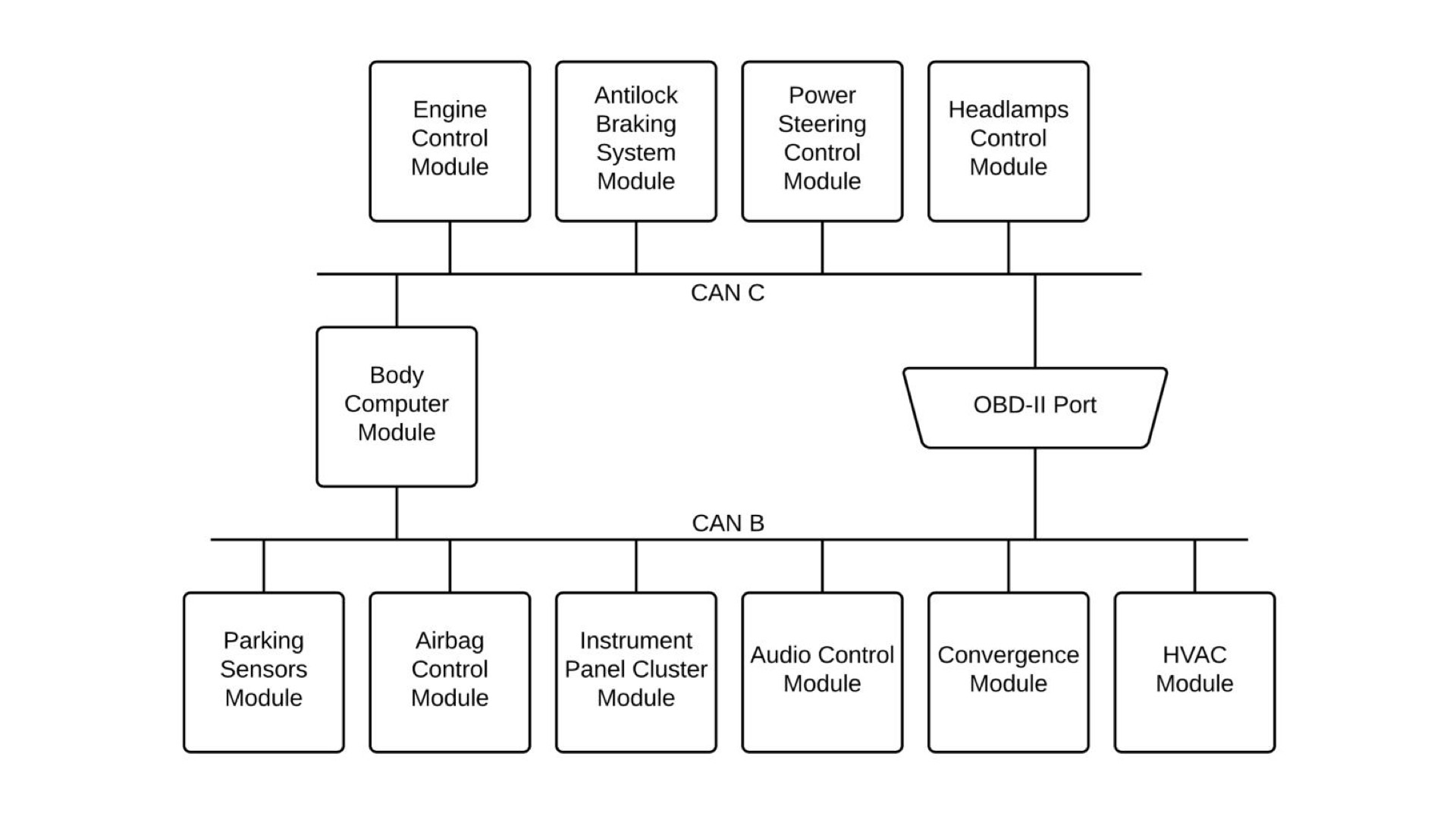
Here's a more detailed view.
You can see the different modules, the two buses, the body computer module connecting them, and the OBD-II diagnostic port.
That diagnostic port is the connection your mechanic uses to read information from the vehicle. It's also a reminder that the network has ways in. We need to understand what access through those connections allows.
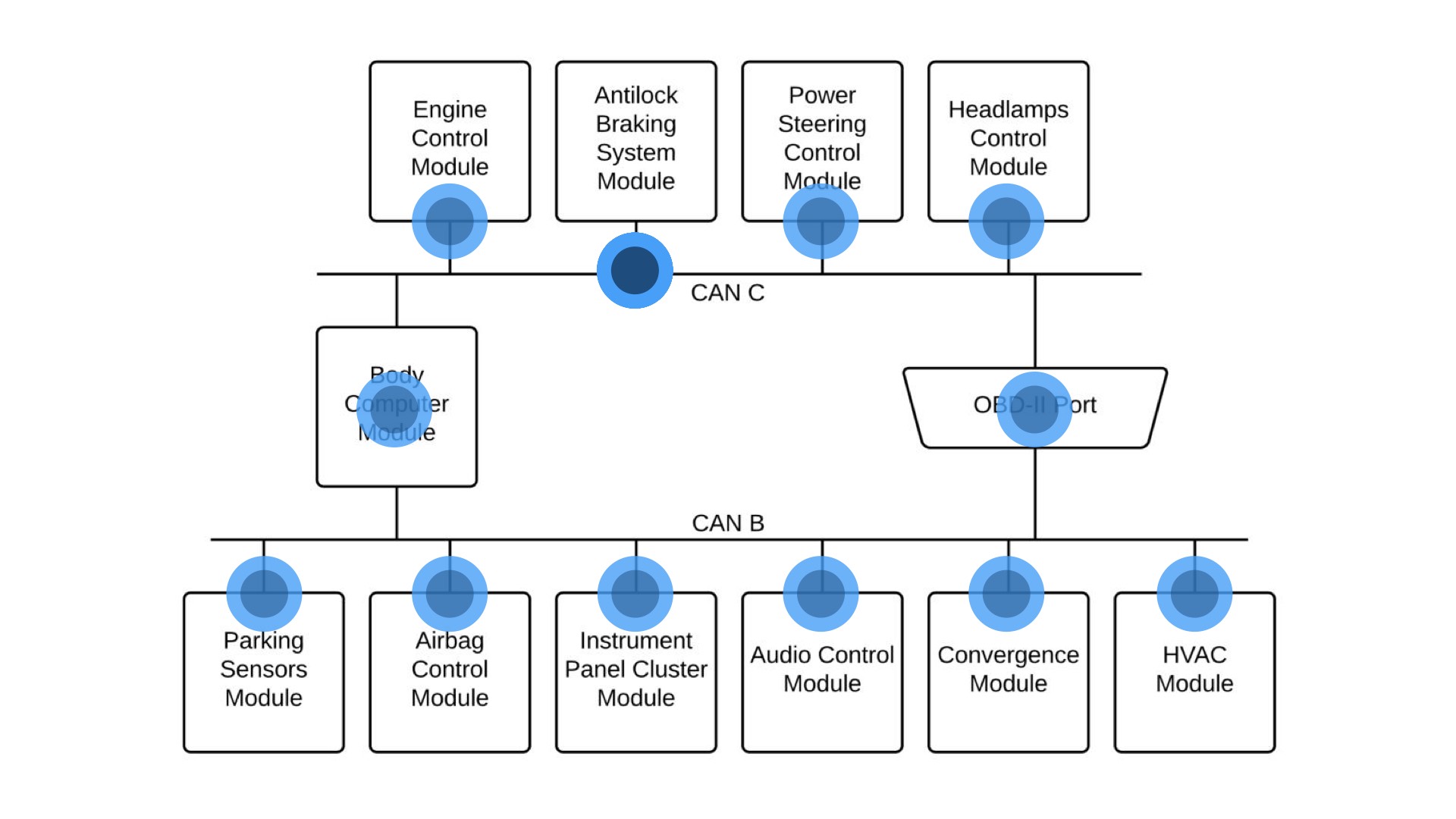
This is a broadcast network.
When a component sends a message, the other components on the bus can hear it. They decide whether that message is relevant and whether they need to act on it.
That works well when the participants behave as expected. Security asks us to consider what happens when one of them doesn't.
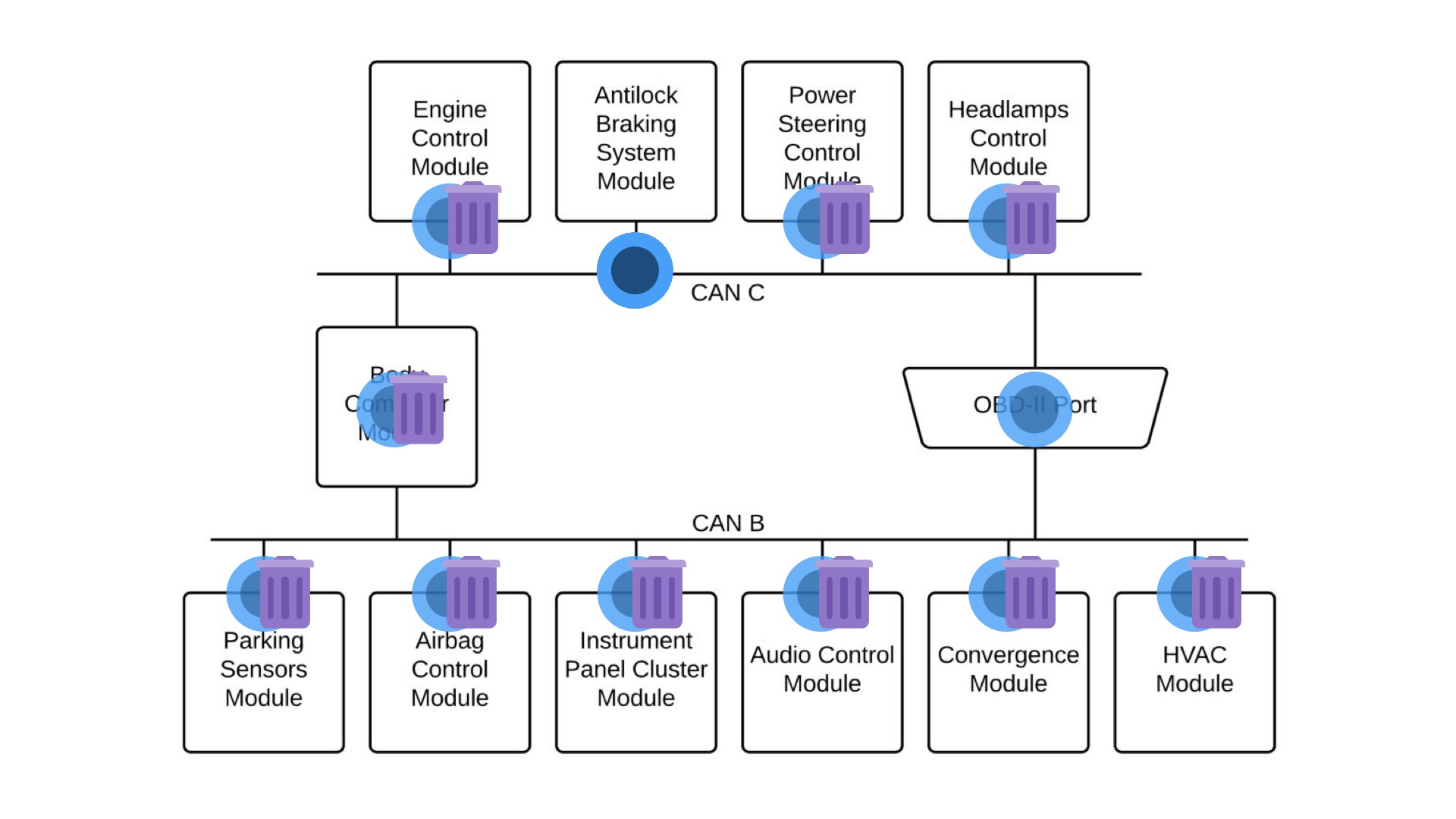
The system also has mechanisms for dealing with faulty communication. The attack described in this research abuses that behaviour to disrupt a legitimate component's ability to communicate.
The good news is that physical safety has been a priority. Losing communication doesn't automatically mean the vehicle does something wildly dangerous; components are designed to fail safely.
But losing functionality is still a problem. A safety mechanism can become something an attacker deliberately triggers.
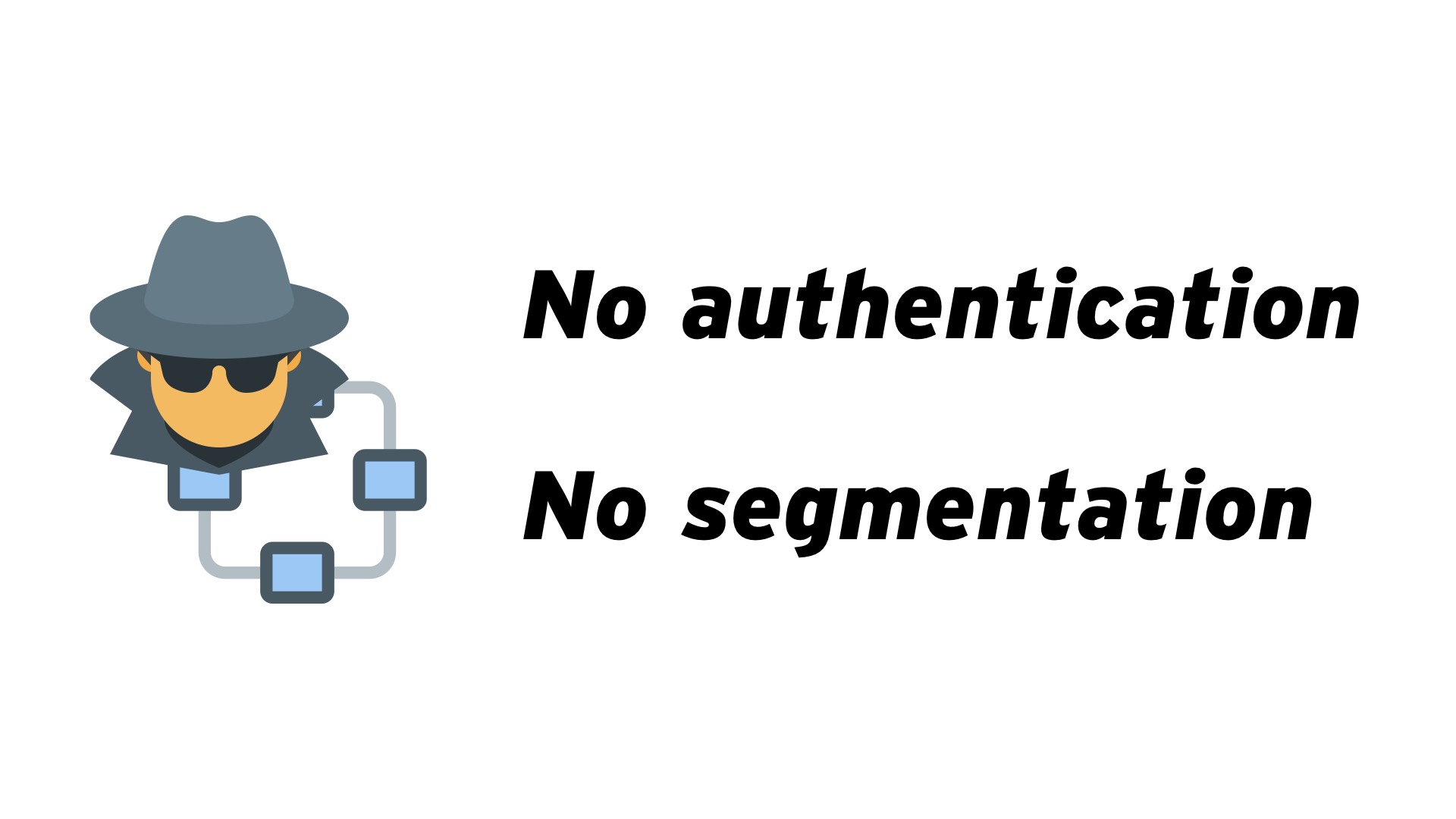
Two things should stand out: no authentication and no meaningful security separation between these different functions.
The network was built around trust. A component's ability to send a message doesn't establish that it should be allowed to make that request.
Comfort systems and safety systems have very different consequences when they go wrong. We need to account for that difference in how they're connected.

Now add the feature everyone wants in the car: connectivity.
An LTE connection and a Wi-Fi hotspot are convenient for the passengers. A connected infotainment system can also become part of the path between the outside world and the vehicle's internal systems.
We're connecting a system built around trust to a world where that trust doesn't hold.
The two problems to carry forward are a broadcast network and a lack of internal defenses.
Adding a smart, connected layer doesn't automatically fix the assumptions underneath it.
We have to look at the whole path, from an outside connection through to the component doing the work.
Factories
Next, factories.
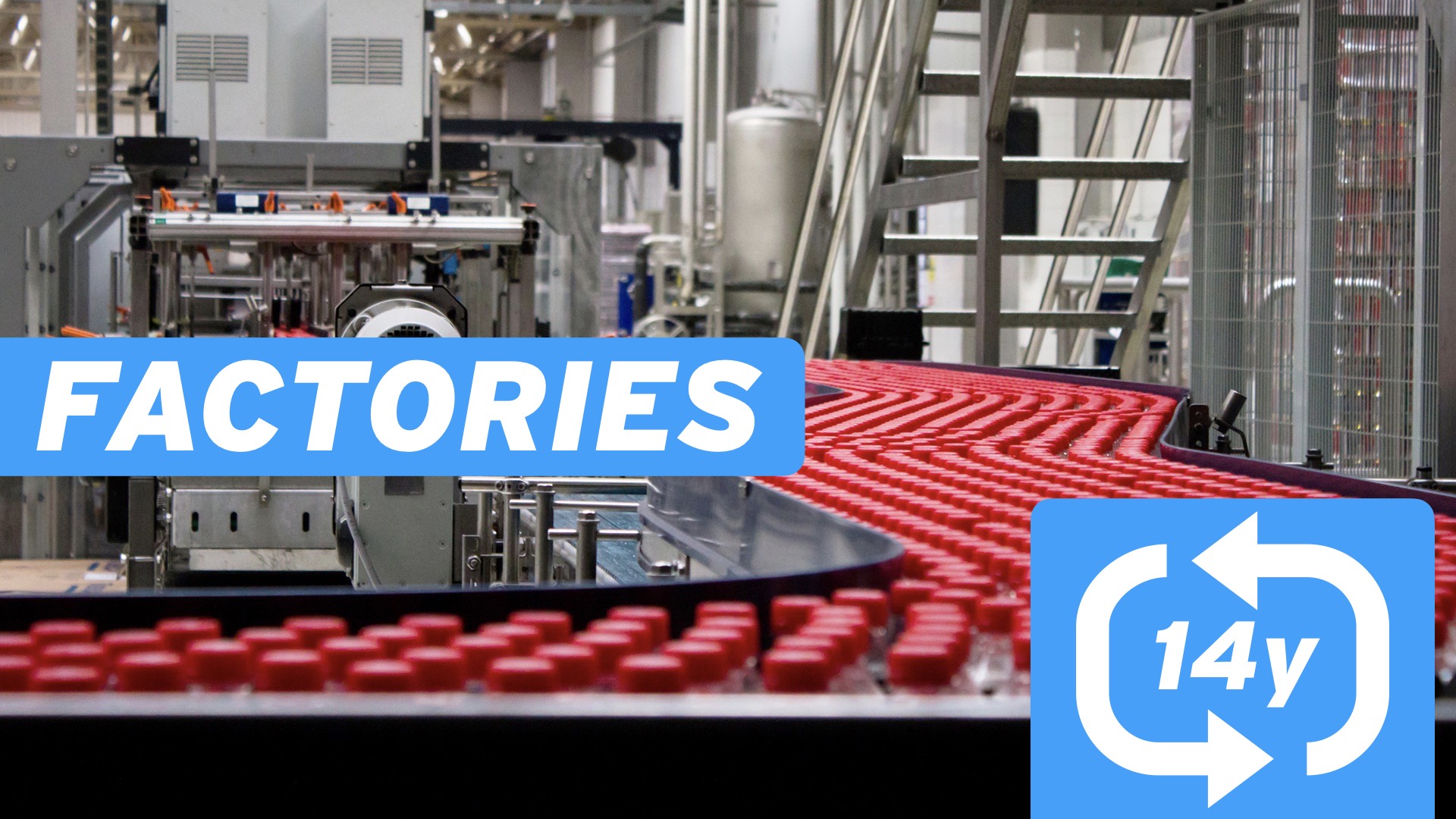
The equipment we're looking at here has an average lifespan of around fourteen years.
If maintaining a vehicle's software for nine years sounded difficult, think about a production line that needs to keep operating for even longer.
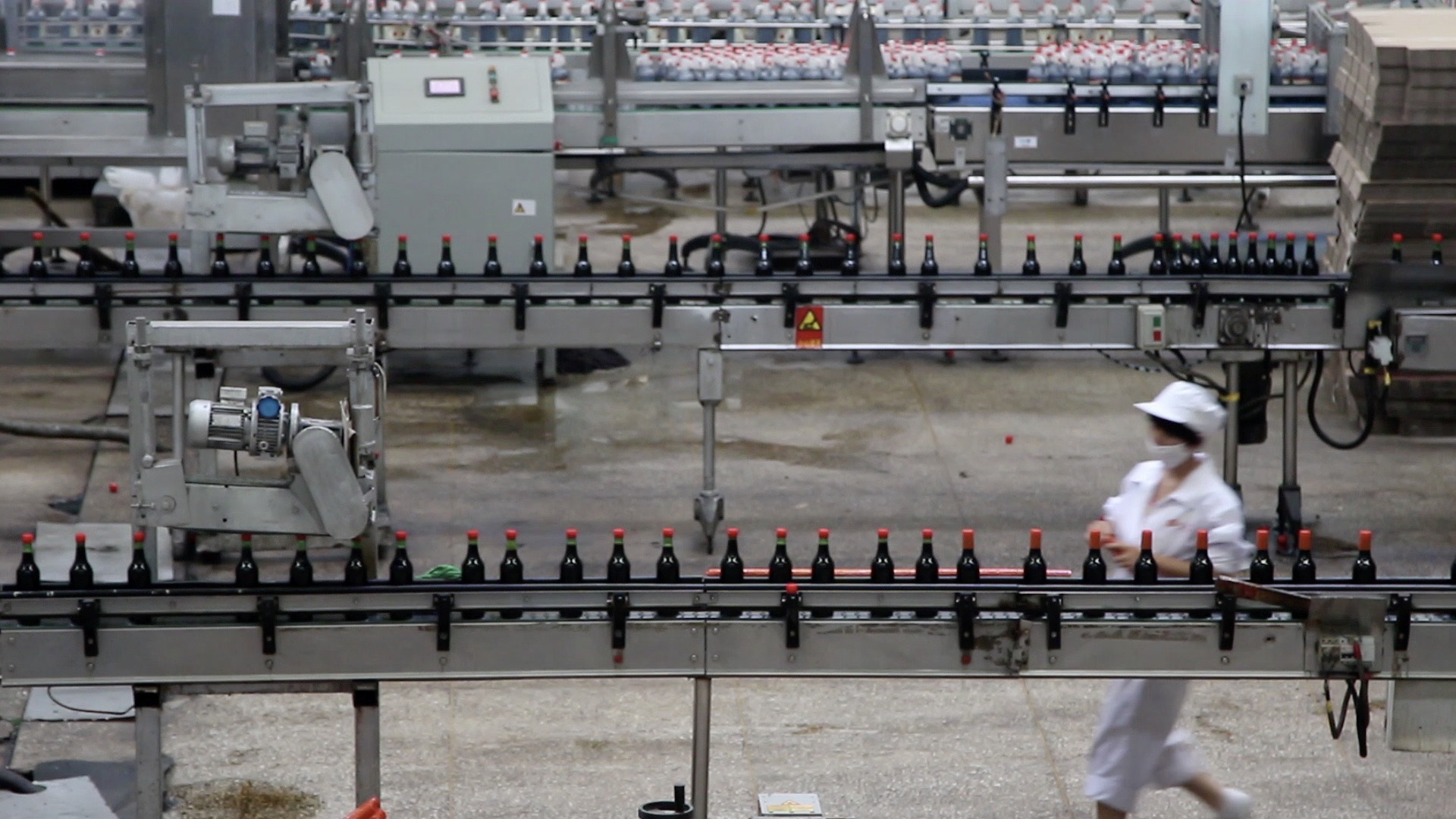
A factory isn't necessarily a room where robots do everything.
People and machines work together. Sometimes it's cheaper and easier for a person to do a particular task, like placing these caps on bottles.
That matters when we think about security. The consequences can affect the people working right beside the equipment.
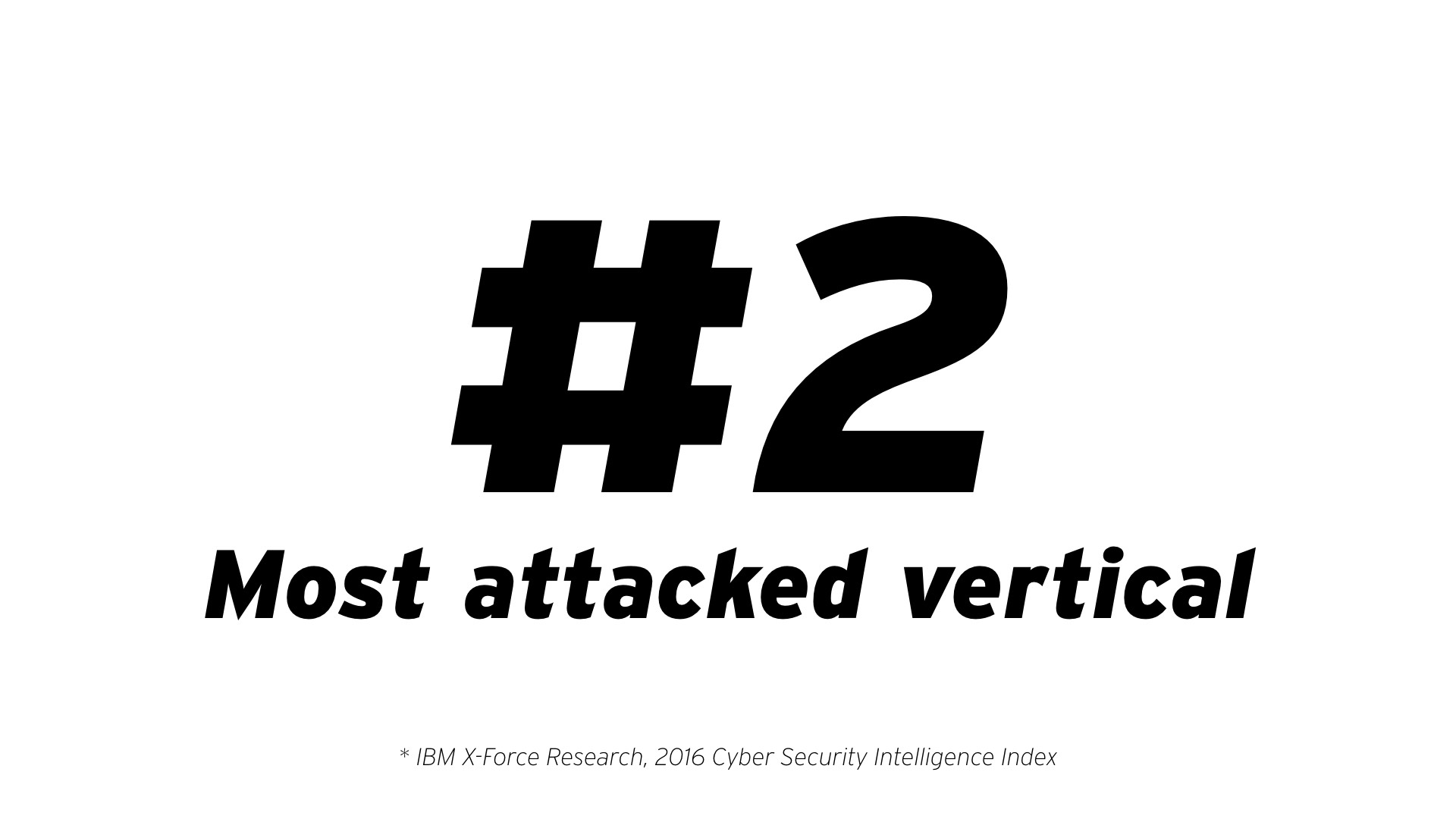
The IBM research cited here ranked manufacturing as the second most attacked industry.
There's a lot of value on a factory floor. The machines are valuable, the output is valuable, and the knowledge that makes the process work is valuable.
There are very practical reasons for an attacker to be interested.
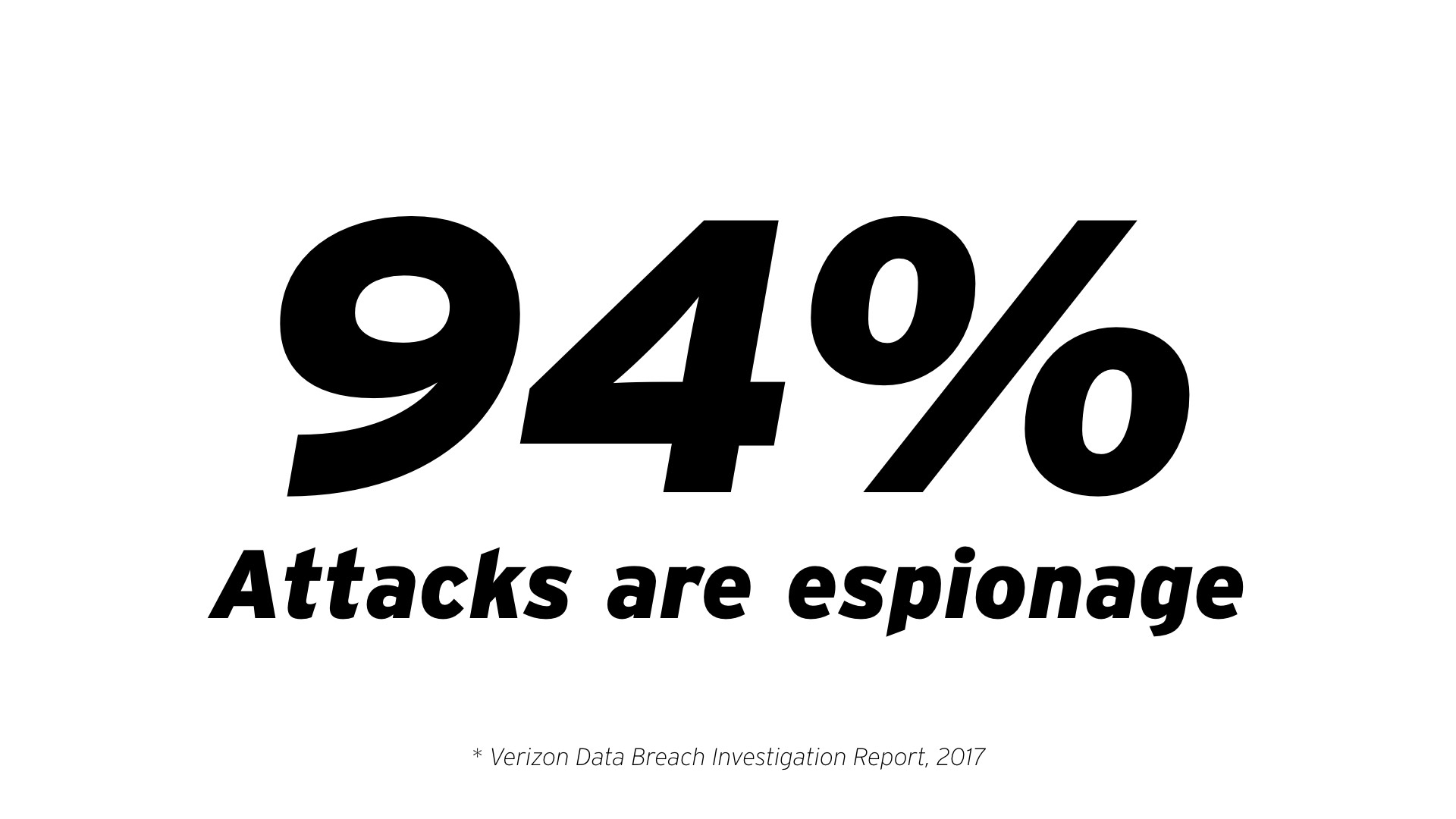
Espionage is a huge part of that interest. The figure on this slide is 94%.
If I want your secret formula, I might try to steal it from a protected database on the corporate network. Or I could look at the factory where that formula is actually being used.
The production process can reveal information the business is working hard to protect elsewhere.
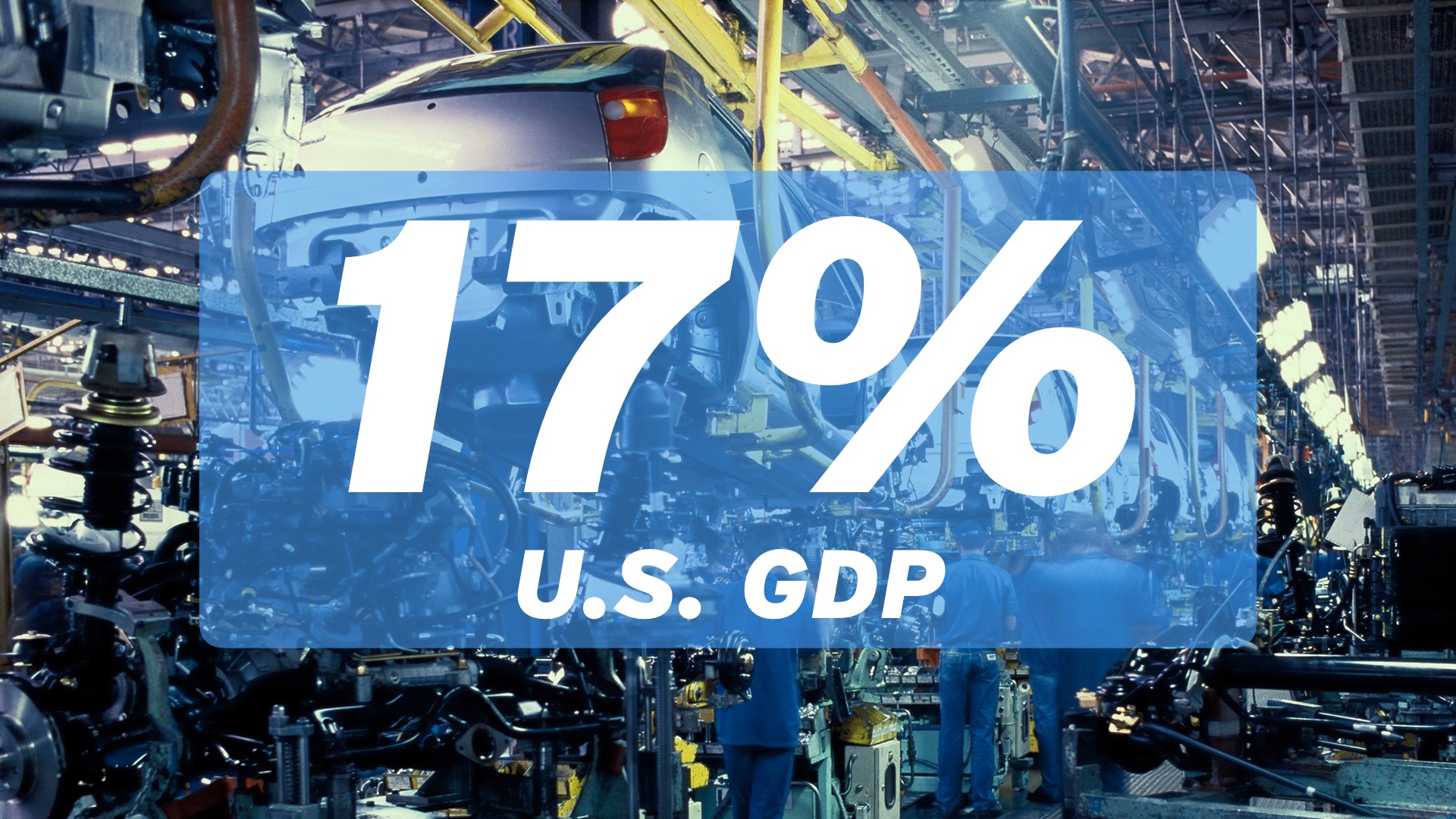
Manufacturing represents a huge part of the economy.
This gives some context to the scale of the problem. We're talking about the systems that produce the things we buy and rely on every day.
Disruption here can reach far beyond the company that owns a particular factory.
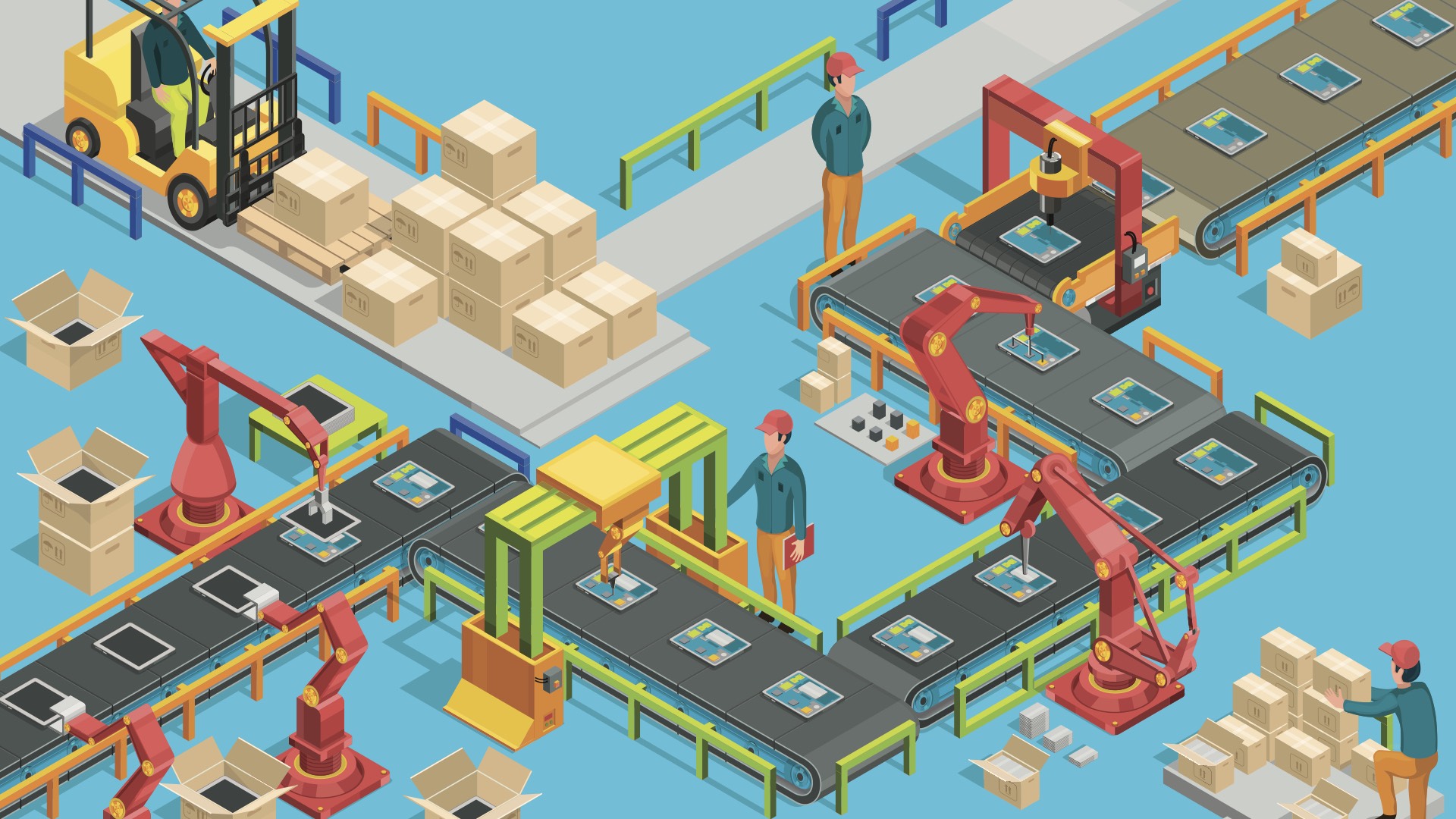
Inside the factory, people, conveyors, controllers, and robots all need to coordinate their work.
Each part of the process produces information. What is running? Where is a part? Is the line keeping up? Can we improve the flow?
There are good business reasons to collect that information and use it.
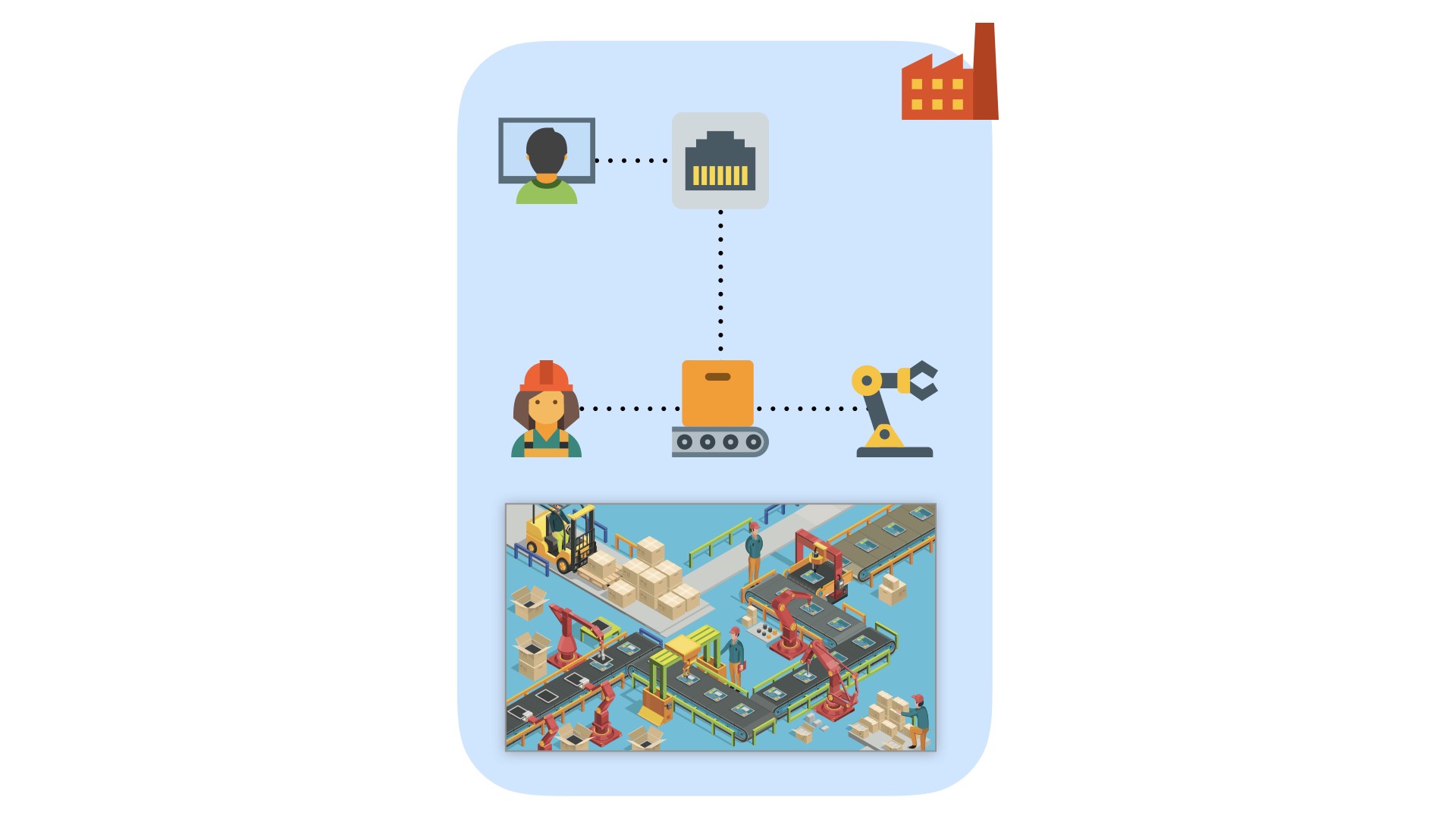
Start with one production line connected to a local operational network.
The operator can see what's happening and the systems can exchange information. We can monitor the work and make adjustments.
So far, that's a fairly contained picture.
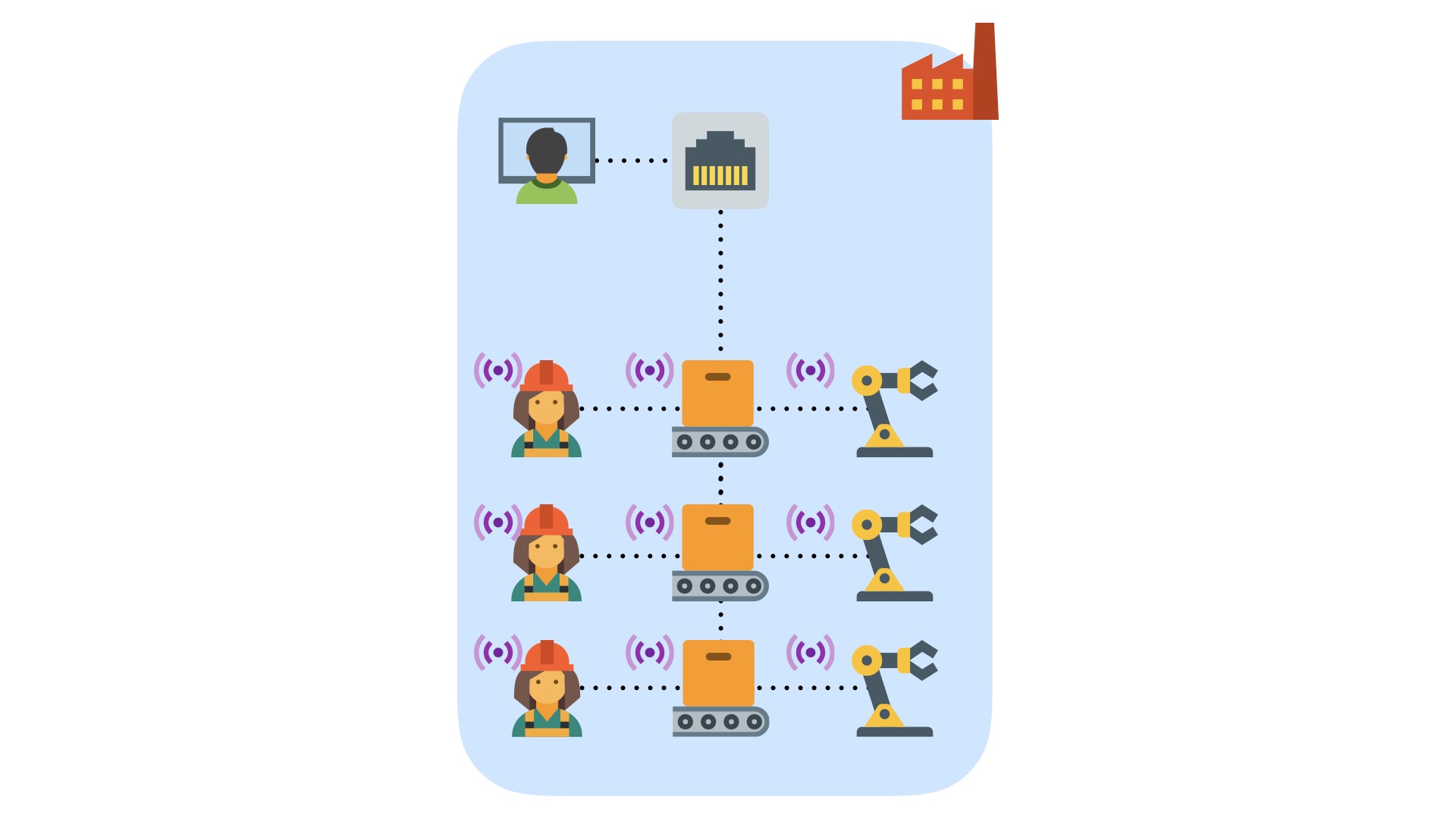
Now add more lines and more connected components.
The amount of information grows quickly. We want to compare performance, find bottlenecks, and optimize the whole factory.
That creates pressure to connect the operational environment to the people and systems doing the analysis.
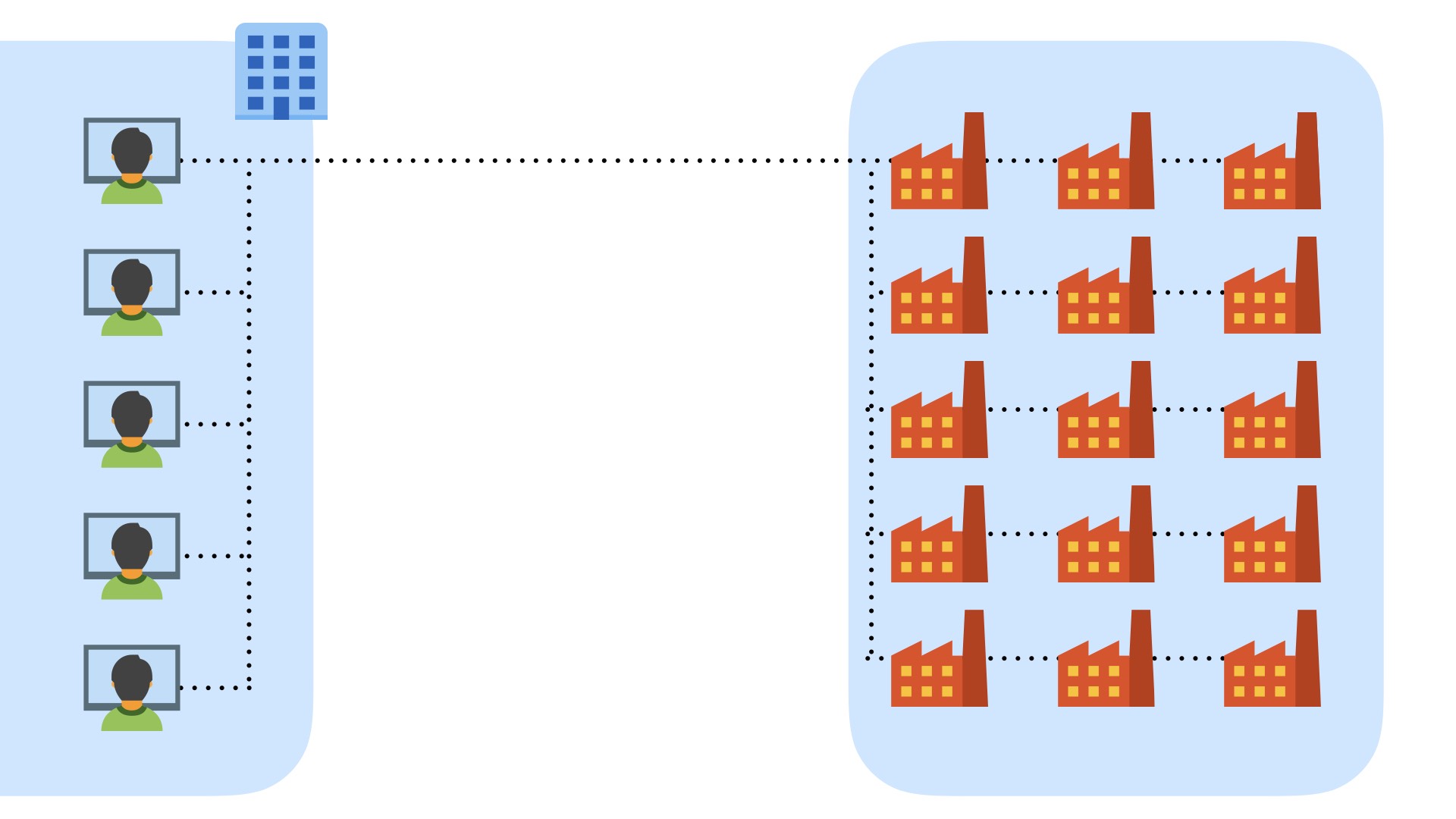
Then connect the factory to the corporate network. Then connect more factories.
Analysts and programmers can coordinate production across the business. That's useful, but it also connects the factory floor to all the security problems we already have in corporate IT.
We can't assume the office network is a safe place just because it belongs to us.
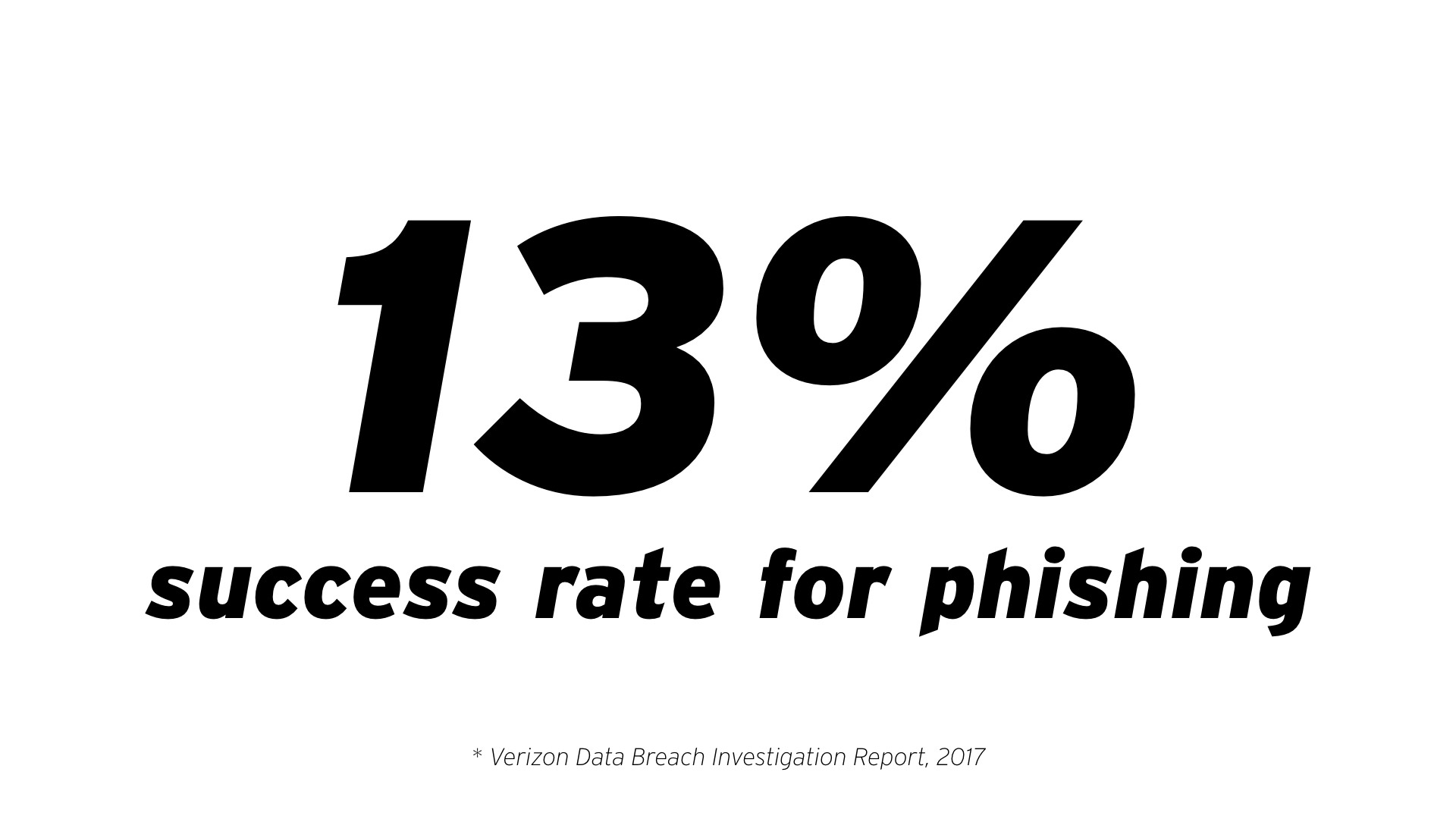
The research shows a 13% success rate for phishing in manufacturing.
Think about that alongside the network we just built. Someone sitting in an office can be connected, through the business's systems, to the operational environment.
A familiar email security problem can become part of a much less familiar factory security problem.
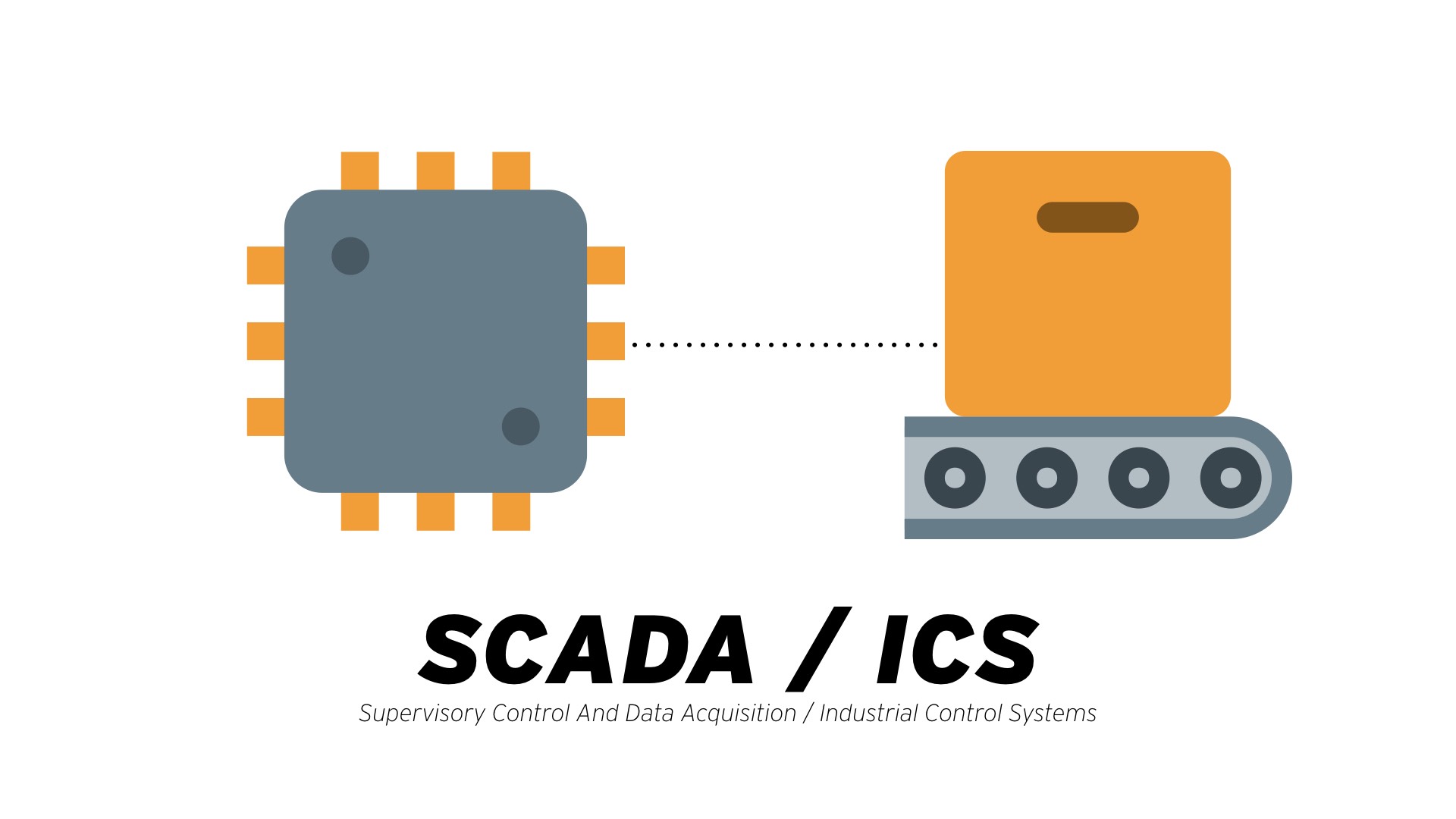
Much of this work runs through SCADA and ICS: supervisory control and data acquisition, and industrial control systems.
These are the controllers and systems that let us monitor and automate physical processes.
They're behind plenty of things outside factories too, including building systems and infrastructure.
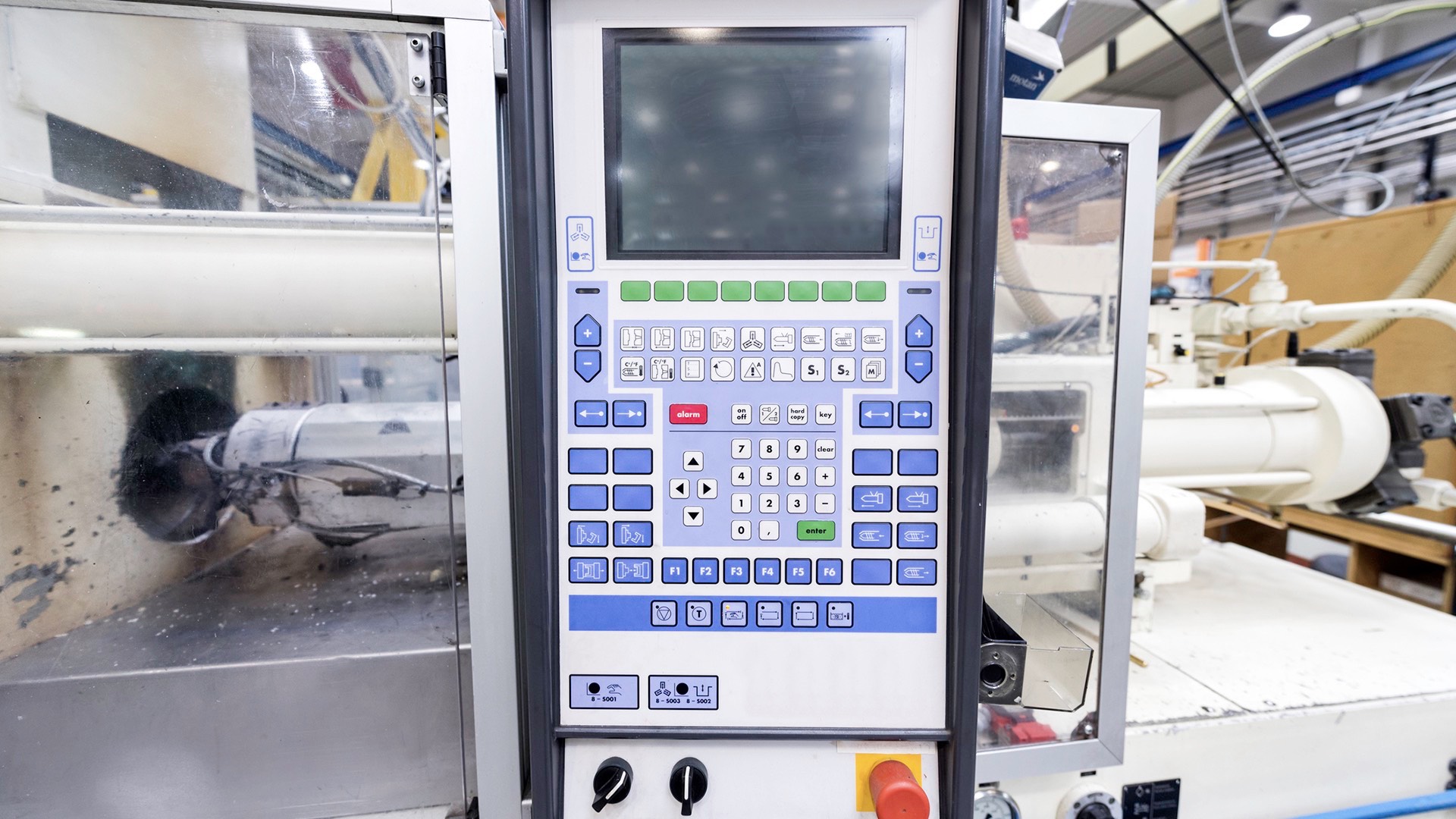
This is what that technology can look like.
It's not especially glamorous. A controller attached to a machine, helping it do its job.
The physical mechanism may work well for years. Meanwhile, we keep adding ways to program it, check its status, and access it remotely. The connectivity changes much faster than the machine does.
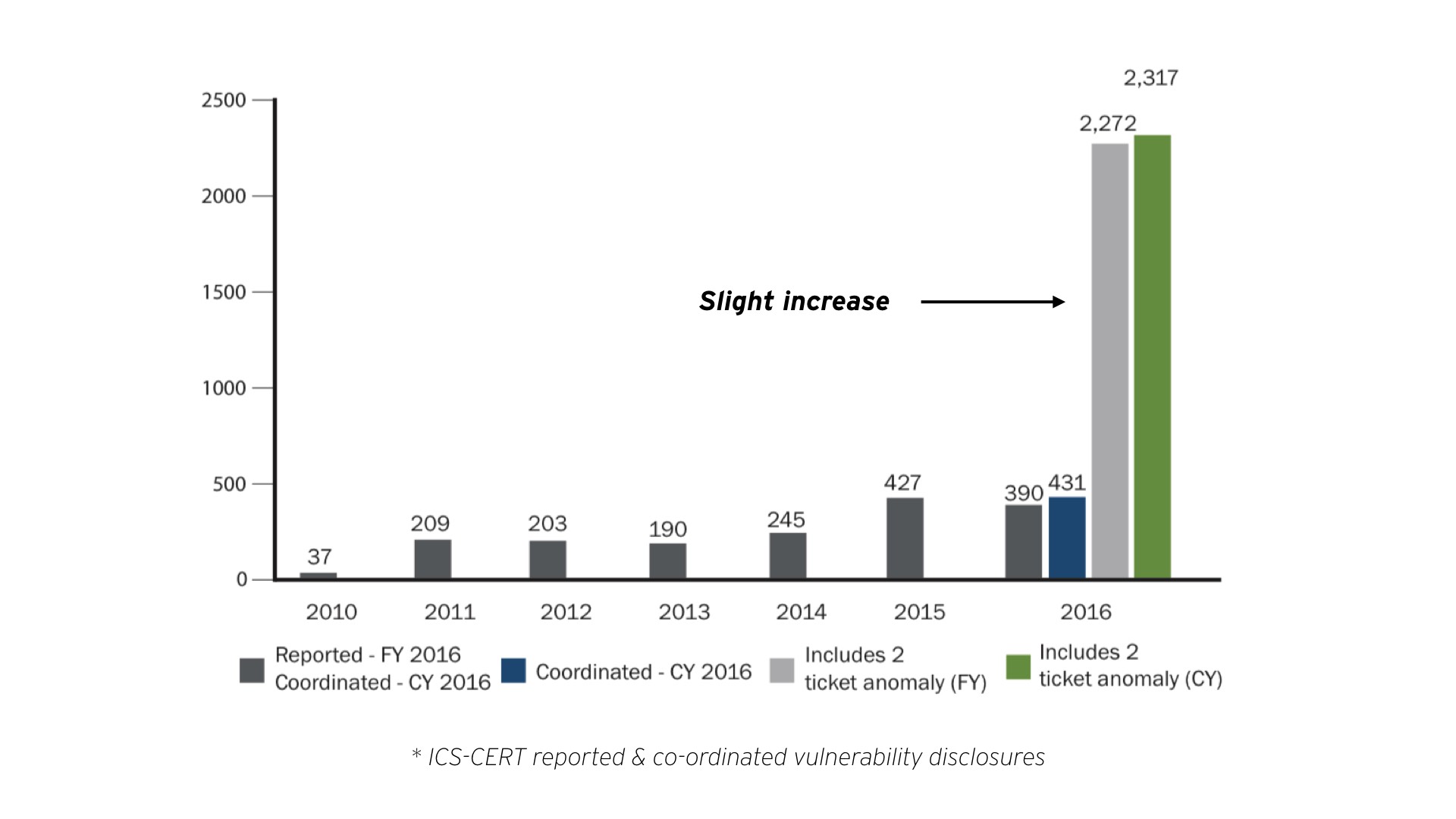
This chart shows the year-to-year reporting of cybersecurity vulnerabilities with this type of equipment. There's a slight increase in this chart. Just a little one.
The ICS-CERT report called the huge jump an anomaly.
What happened?
Researchers applied modern security testing tools to industrial systems and found a very large number of vulnerabilities.
To me, that's a warning about how little these devices had been tested. As more researchers look, we should expect to find more problems.
A quiet vulnerability history doesn't necessarily mean a device is secure.

The people building and operating these systems care deeply about physical safety. There are strong standards and a lot of engineering behind that work.
Cybersecurity needs to become part of the same conversation.
With a fourteen-year replacement cycle, waiting to set better expectations has a very long tail. Equipment being designed now can still be operating well into the future.
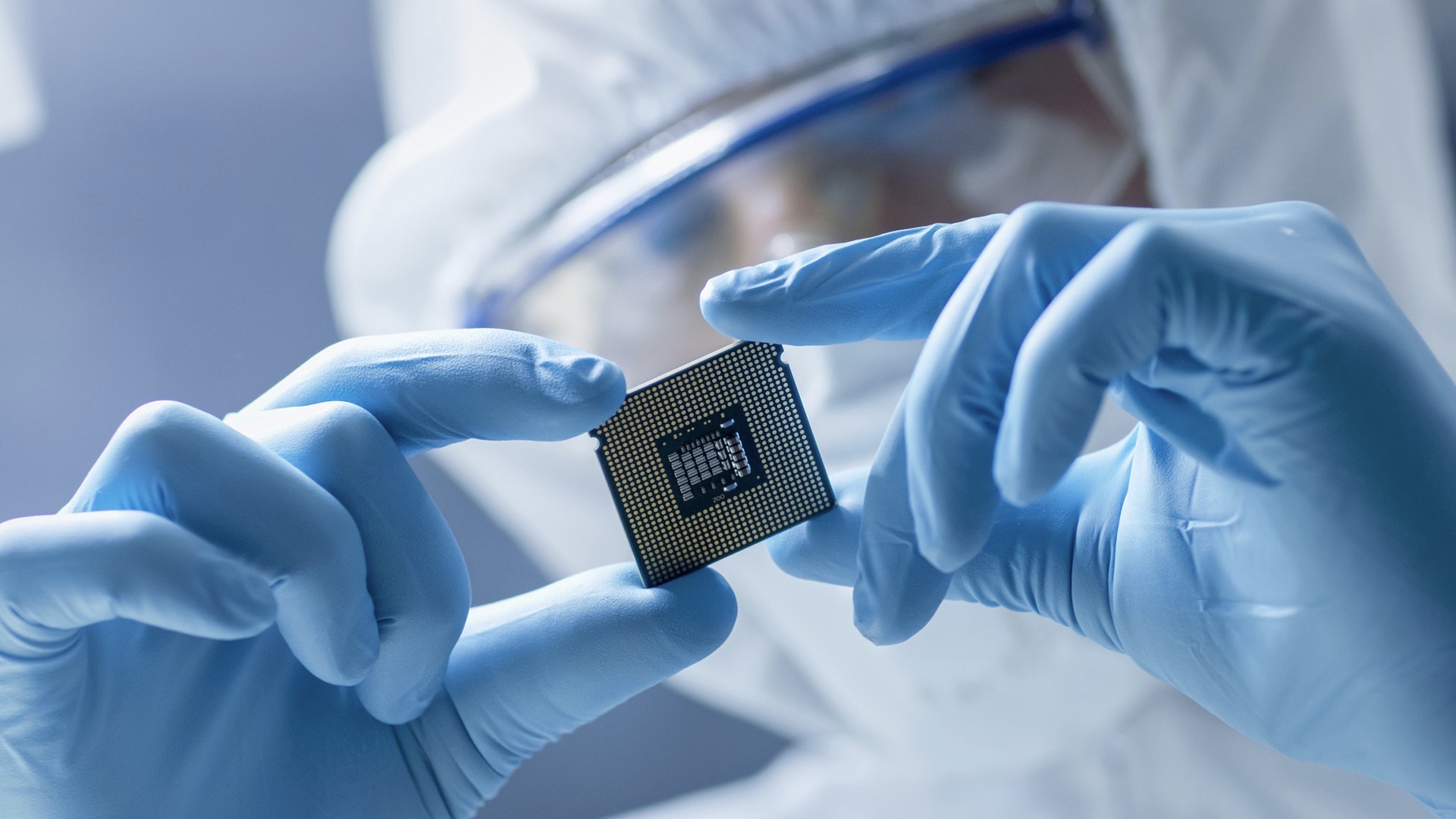
Chip manufacturing shows how far this can go.
Highly automated factories can coordinate production and exchange information across the supply chain. It's an impressive use of technology.
But sophisticated automation can still depend on the same kinds of industrial controllers. The sophistication of the finished process doesn't tell us how well its underlying systems are defended.
Here, the combination is hostile networks and vulnerable devices.
We're connecting equipment that wasn't prepared for this environment to networks we already struggle to defend.
Some of the weaknesses haven't even been found yet. That's a difficult position for a device expected to stay in service for fourteen years.
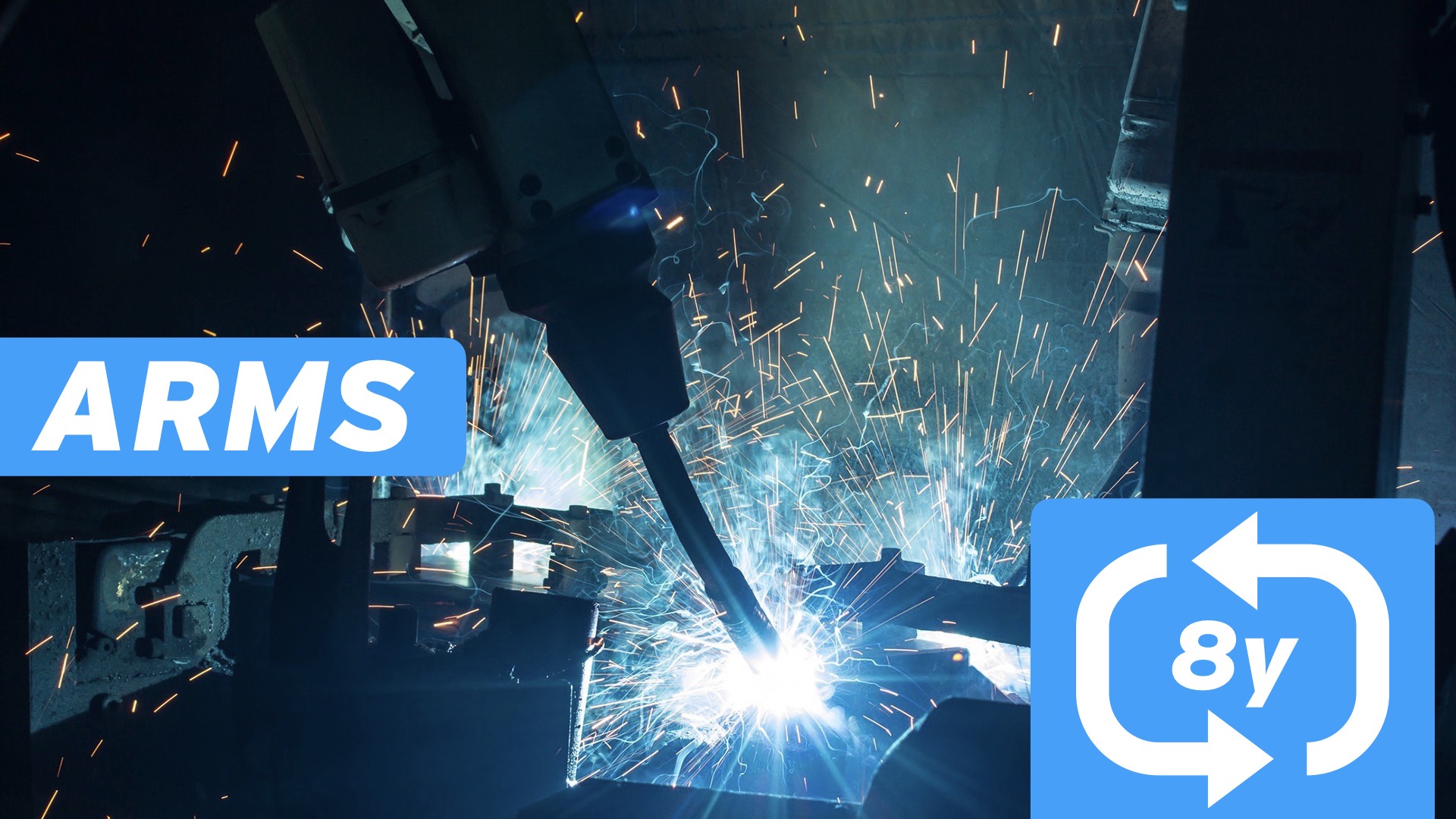
Robotic arms
Let's look more closely at robotic arms.
The average lifespan we're working with here is around eight years. They're used throughout manufacturing and in other settings where precise, repeatable movement is useful.
This is also where we can make the connection between a software problem and a physical result very clear.
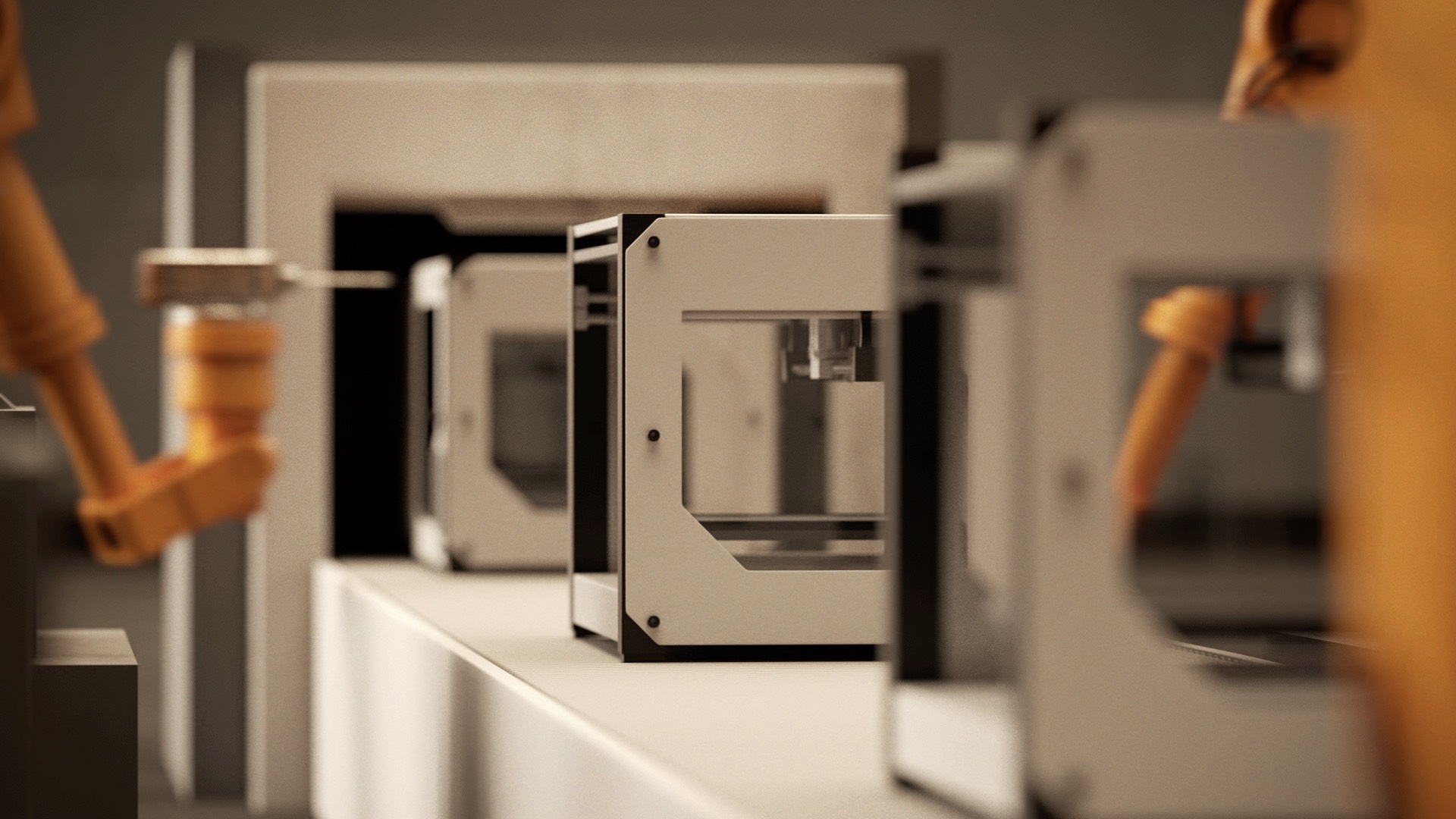
Look at the different jobs these arms can do.
One tool picks up a part. Another drills or works on it. Change the tool at the end of the arm and you change what the same basic mechanism can accomplish.
On a production line, those movements become part of a larger coordinated process.
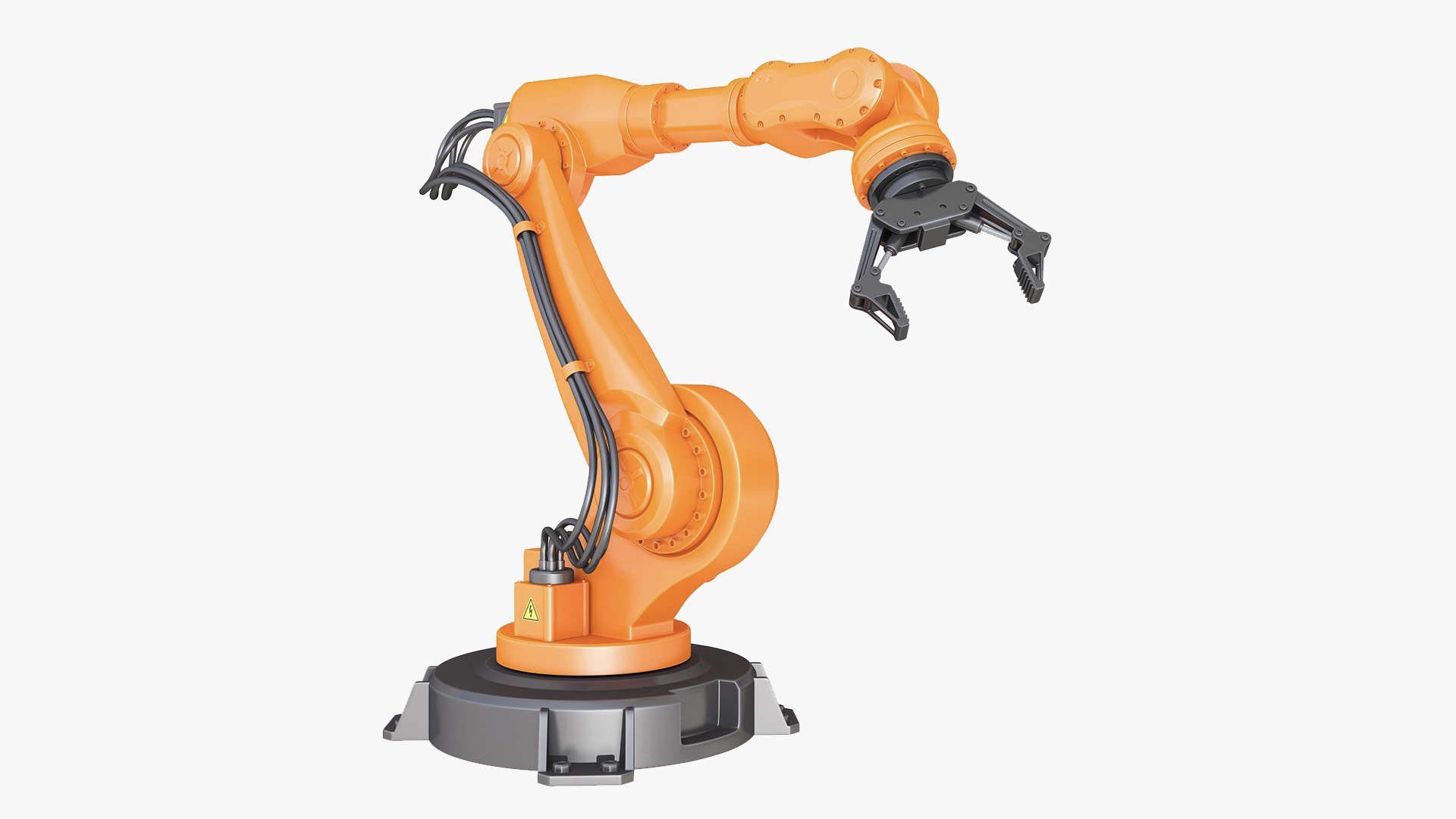
An arm is a useful way to think about the mechanism: shoulder, elbow, wrist, and a tool at the end.
The tool is often called an end effector. It might grip, drill, weld, or do another specific job.
These machines can apply considerable force through their movements. That's a big part of their usefulness, and a big reason to care about how they're controlled.
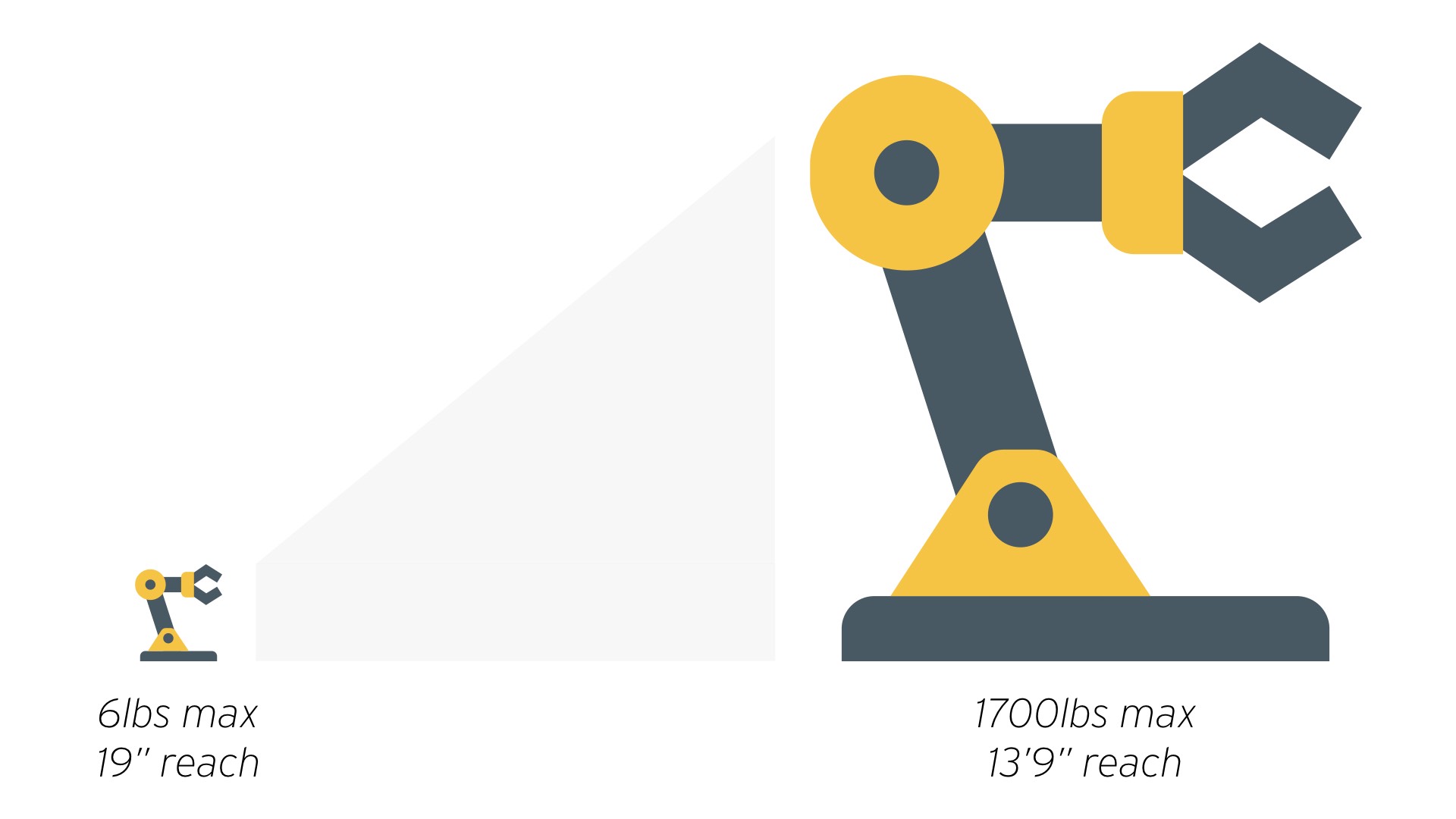
They come in very different sizes.
The examples here range from small arms handling a few pounds to large ones handling around 1,700 pounds with a reach of almost fourteen feet.
The larger machines can hold substantial parts of a vehicle. Even a small mistake in movement can have consequences at that scale.
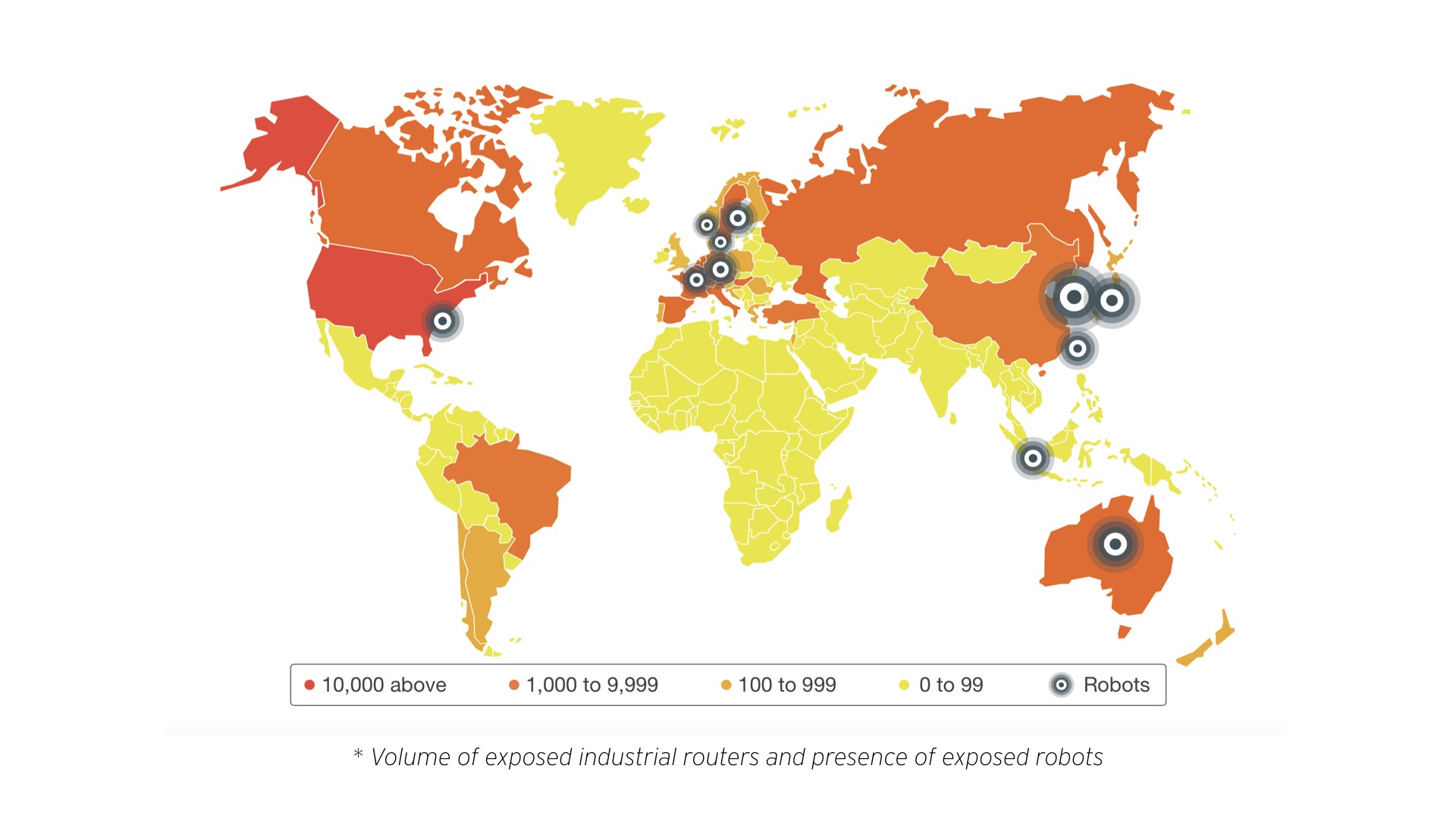
The coloured areas show exposed industrial routers. The dots mark exposed robots found during the research.
Those dots are particularly uncomfortable. These were robots reachable directly from the internet, rather than only through a factory's internal network.
We had taken machines designed for controlled physical environments and made their interfaces available to the outside world.
The phrase for this is "cyber-physical system".
I'm not a big fan of the phrase, though it does give me an excuse to use this little Borg icon.
The useful part is the reminder: computation and physical action are connected. People work beside these machines. What happens in the software can matter to someone standing on the factory floor.
When people's safety is involved, our instinct is to ask for zero risk.
That's an understandable goal. Nobody wants a machine to hurt the person working beside it.
But saying we have zero tolerance for risk doesn't make the risk disappear. We need to understand what can go wrong and put practical protections in place.
Physical safety has been the main focus of the regulations and engineering around these machines.
The work done here is good, and it's necessary. But the standards we're discussing here don't cover the cybersecurity problems introduced by connecting the equipment.
We need to extend that safety work to include malicious inputs and unwanted changes to how the system operates.
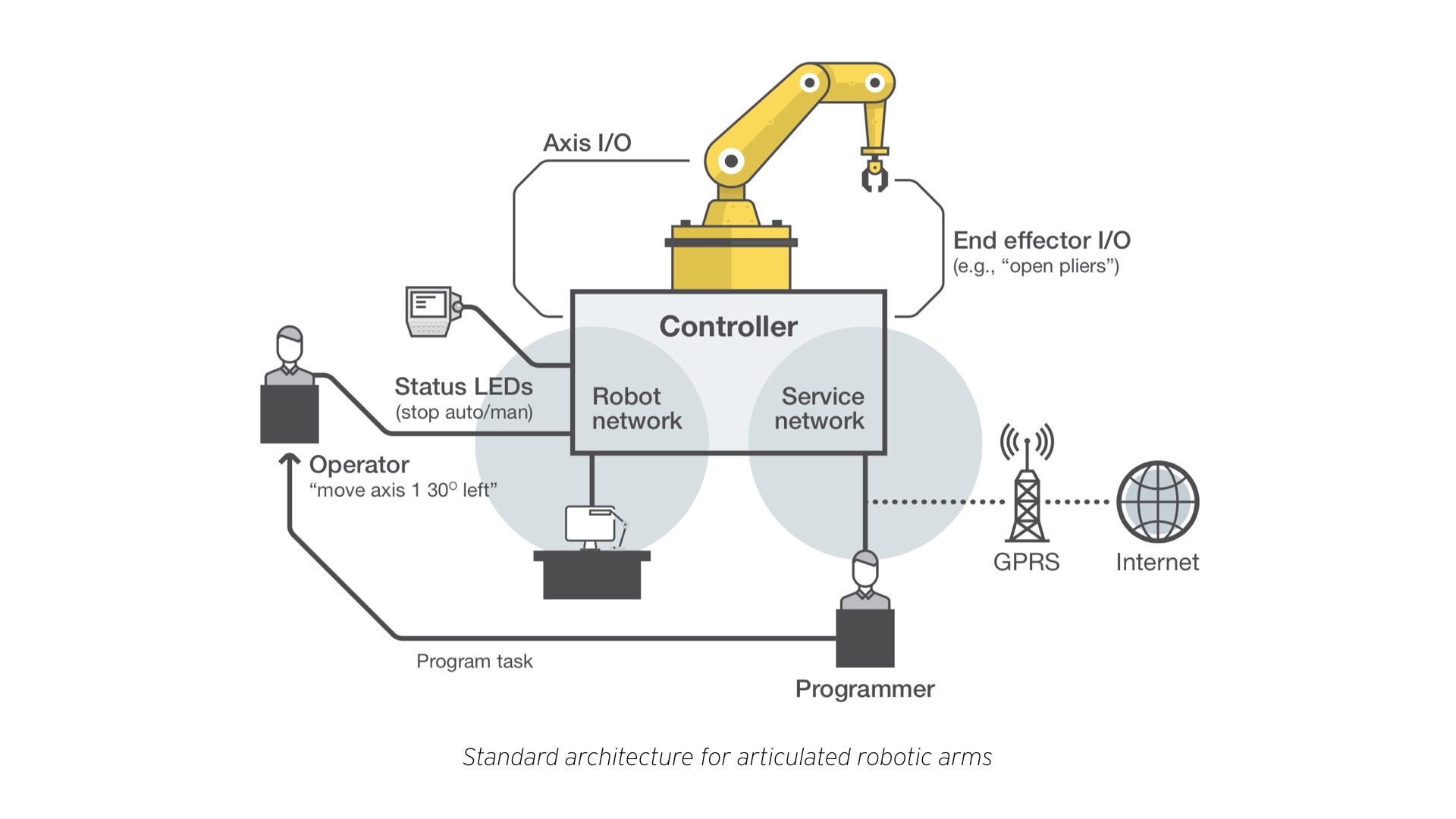
Here's a typical deployment.
The arm connects to a controller. An operator can work with it through the local robot network, often using a teach pendant. There's also a service network for programming and maintenance, which may have a remote mobile connection.
So, from the start, the controller sits between different networks and different kinds of access.
That should raise some familiar security questions.
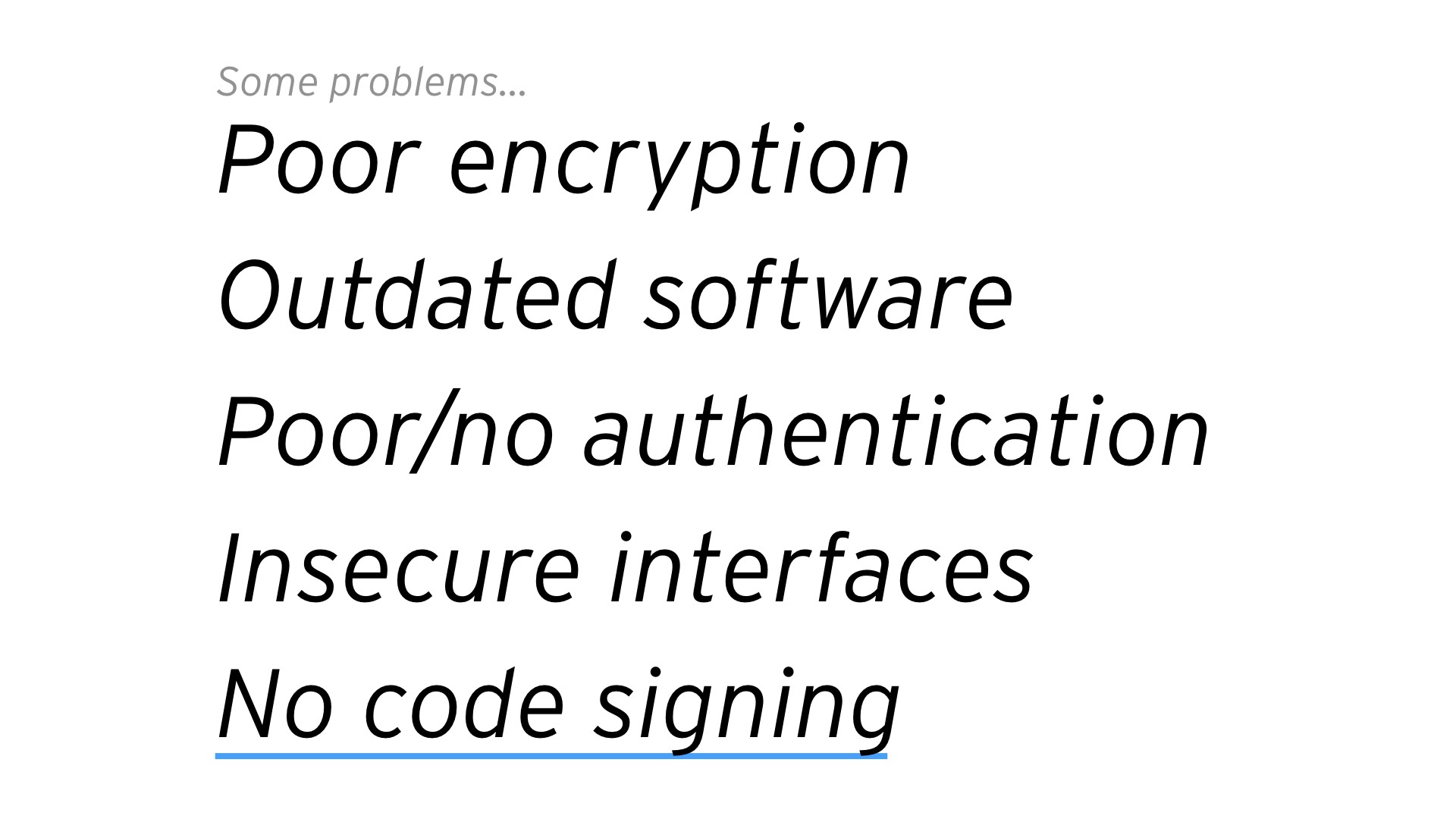
When our team spent some time looking at these devices, the research found poor or missing encryption, outdated software, weak or missing authentication, insecure interfaces, and a lack of code signing.
None of this should surprise a security team. These are the basics we look for in other systems.
The surprise is finding so many of them together in equipment that helps build the physical world. Some of the software was years old, with known vulnerabilities already documented.
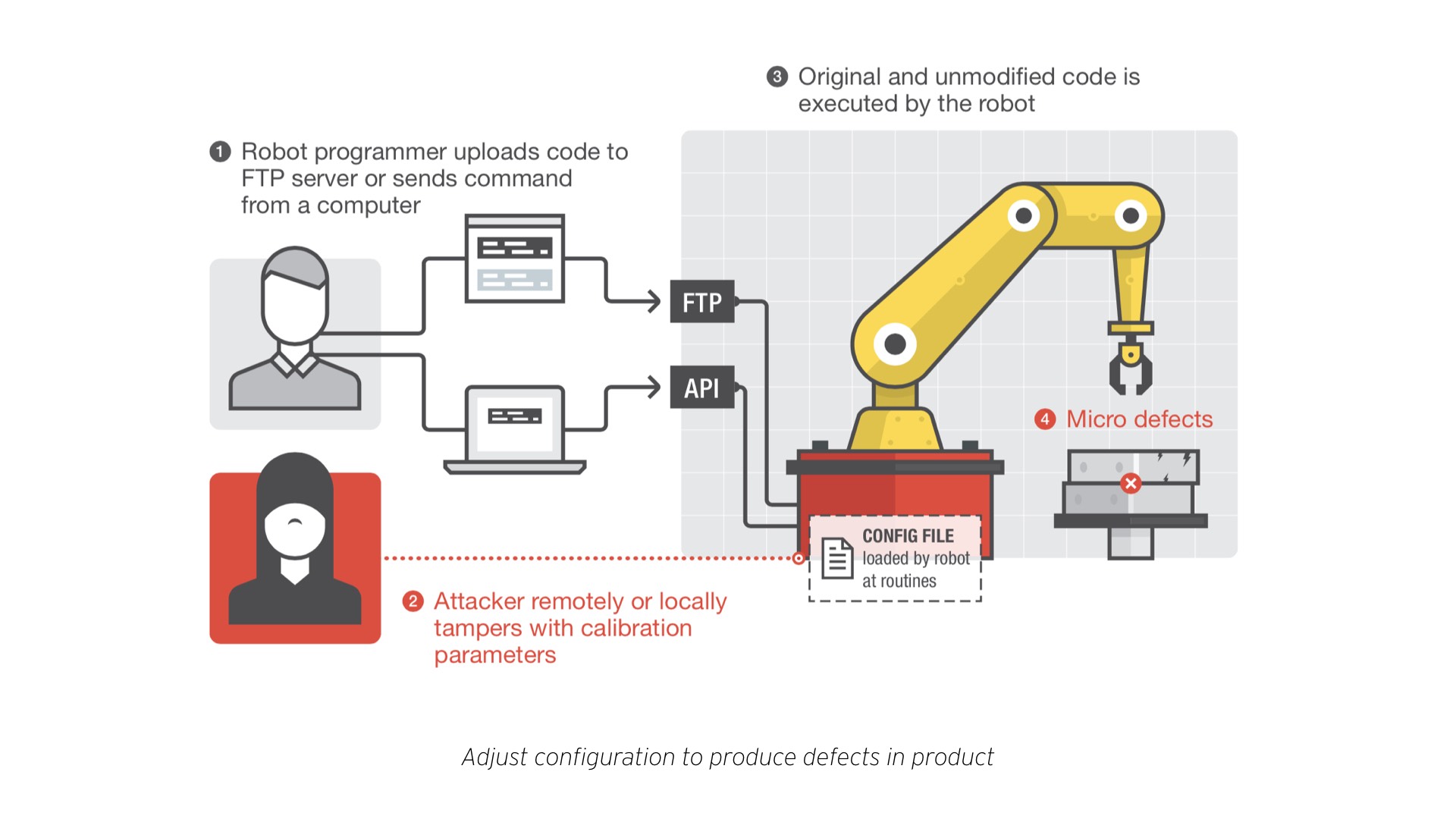
A robot has a program describing its movements and configuration data describing how those movements relate to its surroundings.
That separation is useful. The same program can run on different production lines while configuration accounts for differences in the installation.
In this example, the configuration could be changed without a signature or integrity check. The robot accepted the file through FTP and used it while running the original program.
Change what the robot believes about the world and you can change the result, even when the program itself stays the same.
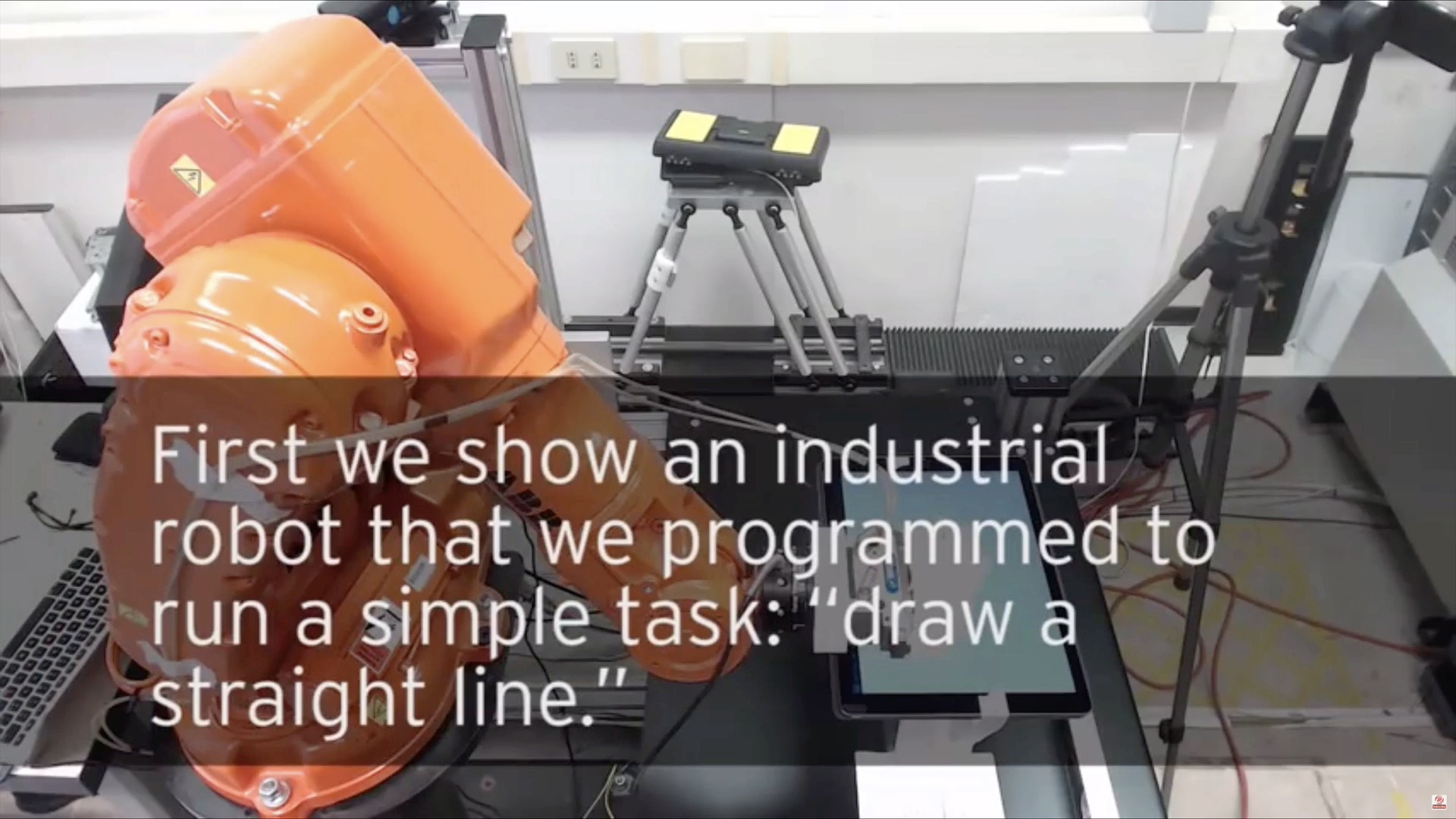
Here's a quick demo. In this clip, the robot has a very simple job: draw a straight line on a tablet.
The first pass gives us the expected result. Then the researchers change the configuration file and run the same program again.
The program hasn't changed. But the line now has a deviation of about two millimetres.
It's a small change, and it's easy to miss at first glance. The important part is that changing a text file was enough to change the physical output.

Now imagine that line is a weld in an aircraft component.
A deviation that looks small on a tablet can matter a great deal in a part built to precise tolerances and expected to withstand stress.
That's why the physical context matters. The consequence of a change depends on what the robot is making and where that product will be used.
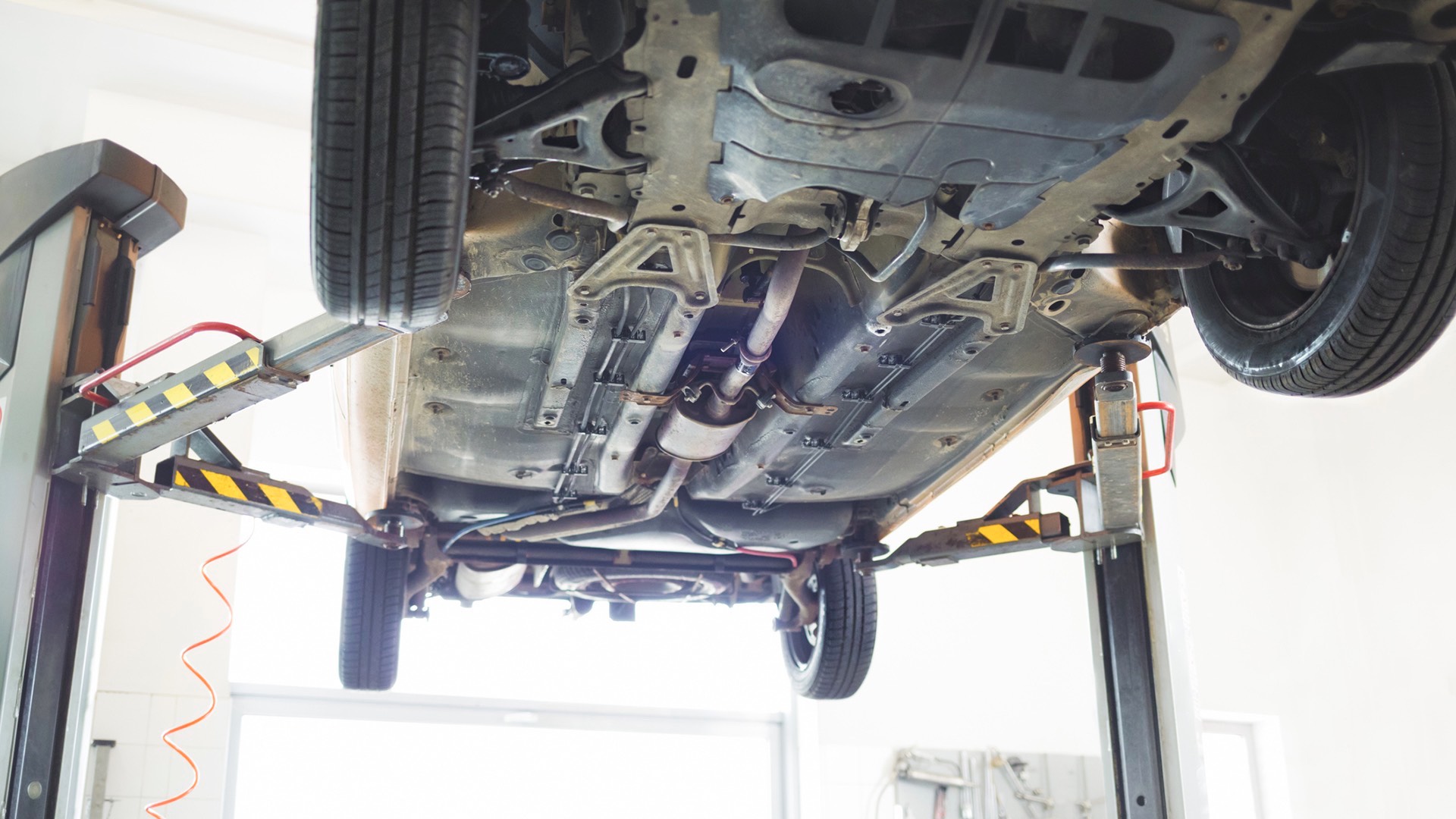
The same question applies to a vehicle chassis.
If an introduced defect changes how the structure behaves in a crash, we're dealing with a safety problem that may only become visible much later.
How do we account for that risk? What checks would catch it before the product leaves the factory?
The calculation is much harder than the simple lost-revenue example we started with.
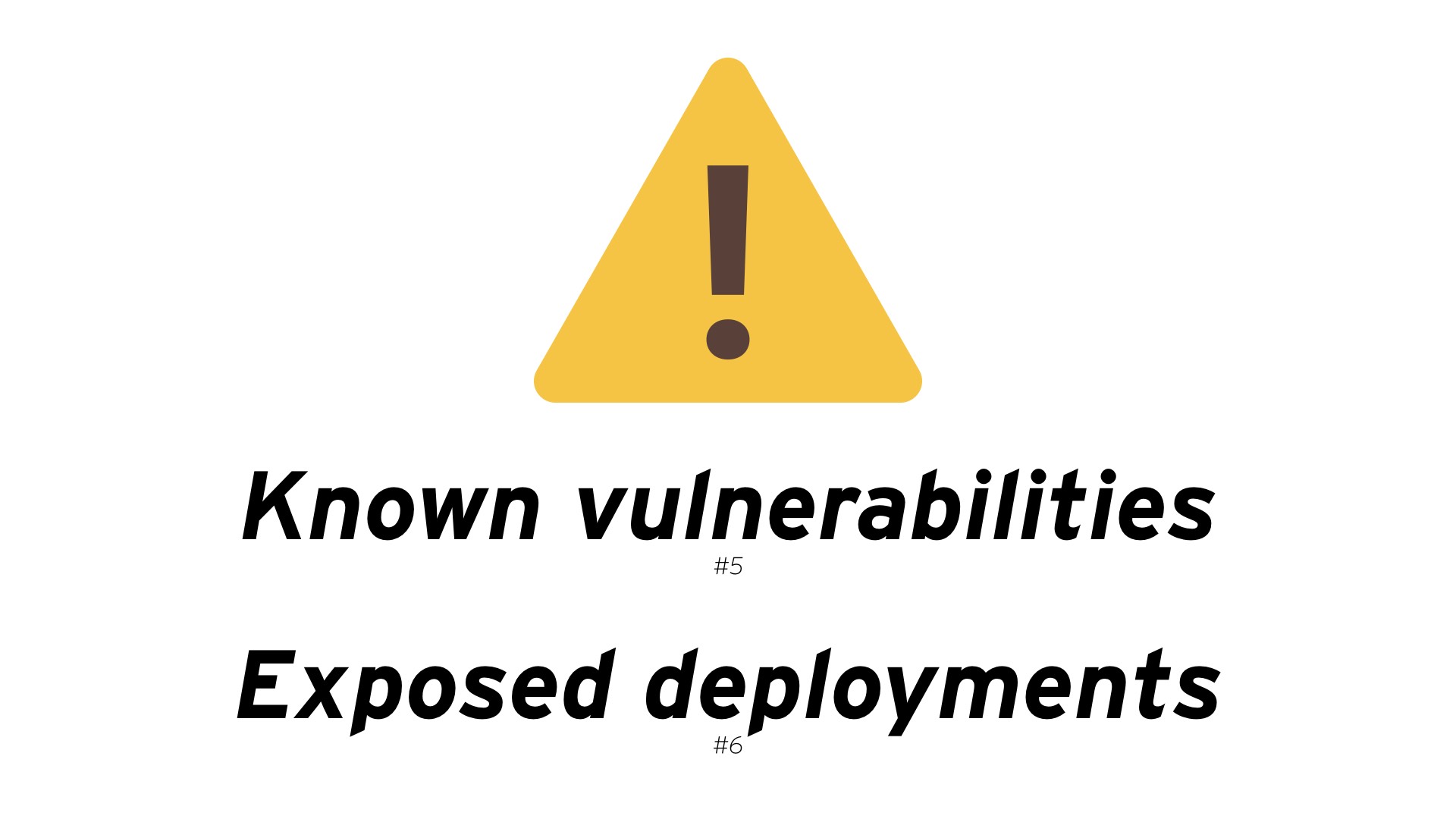
The two problems here are known vulnerabilities and exposed deployments.
We don't have to wait for someone to discover an entirely new class of attack. Old software and weak controls already give us work to do.
Making those systems reachable from outside their intended environment adds to the problem.

Where to?
So, where do we go from here?
The point of these examples is to understand where we can help.
The people building this equipment have solved difficult engineering problems. We can bring our security experience into that work and address risks that haven't been part of the design process so far.
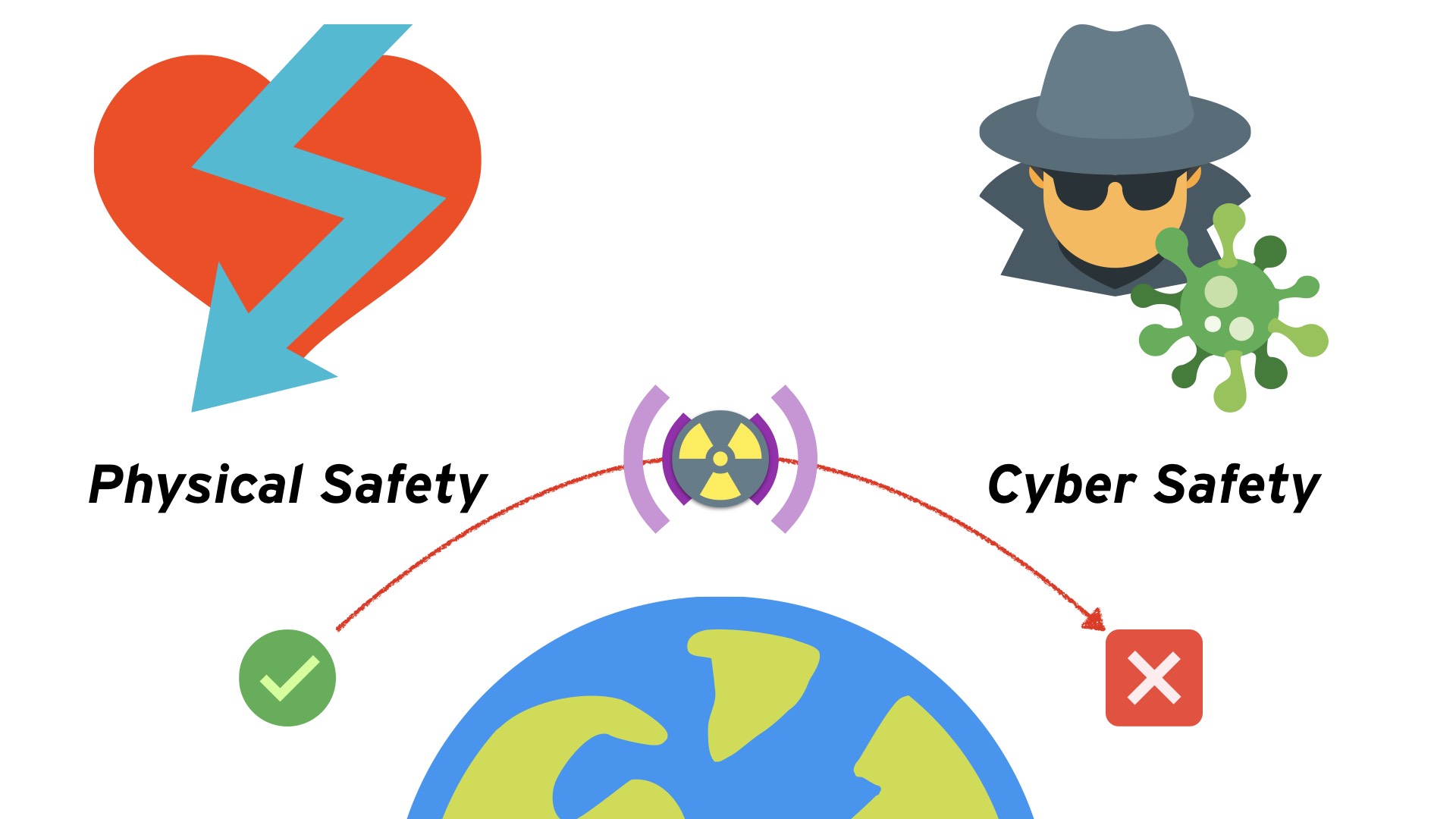
These systems were built with good intentions and a strong focus on physical safety.
Then we connected them to a much wider world. We made them easier to monitor, easier to program, and easier to reach.
The physical safety work still matters. We now need to account for what those connections allow someone else to do.
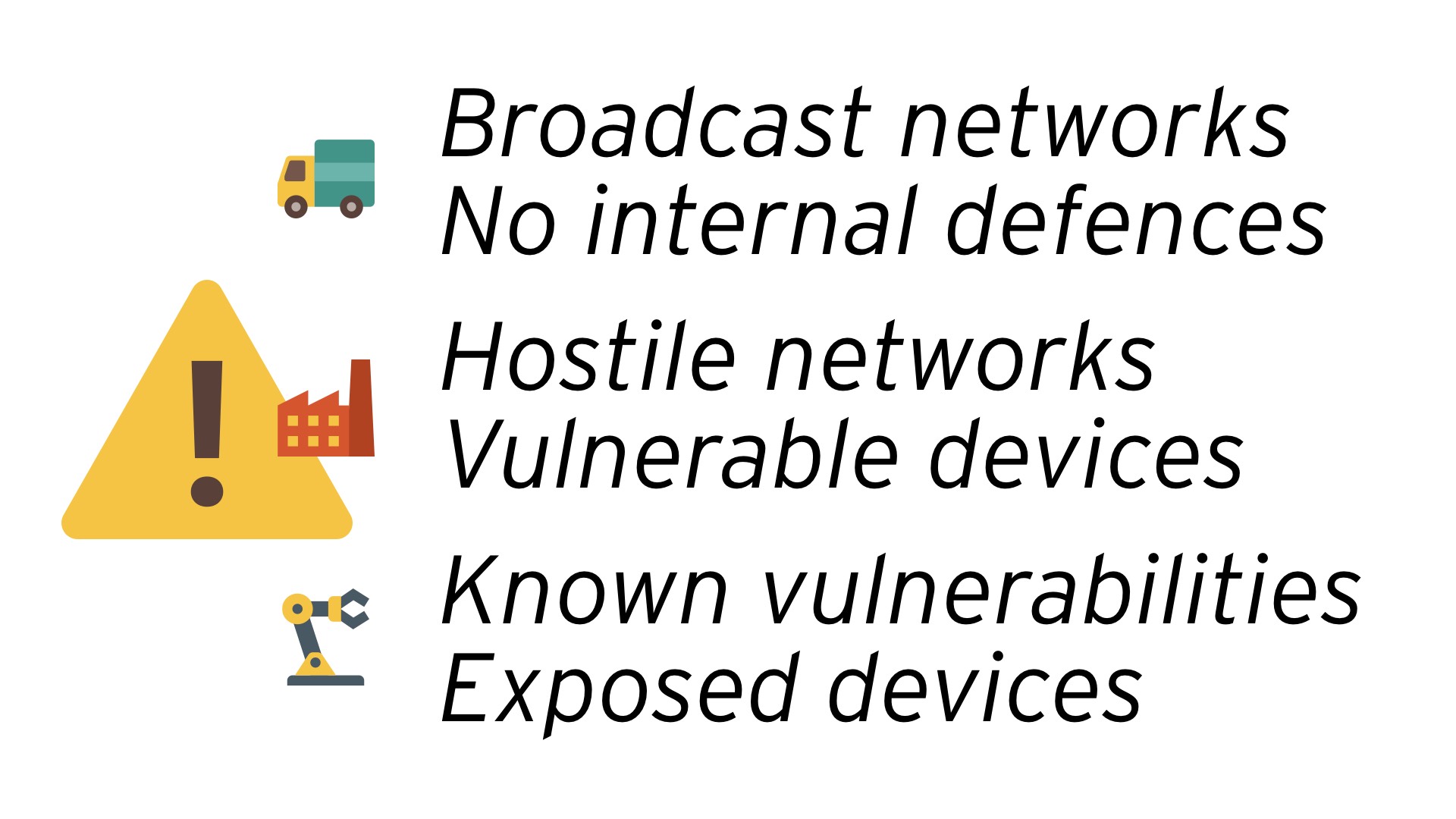
Across the examples, the same kinds of problems keep appearing: broadcast networks that are missing internal defenses, connecting vulnerable software to hostile networks, and devices with known vulnerabilities with multiple, unexpected exposures.
These are areas where security teams can help now. Understand the connections, restrict access, add appropriate defenses, and work with manufacturers on the weaknesses in the devices themselves.
We also need better standards so that the next generation of equipment starts from a stronger position.
These machines contain computers. Their controllers need the same attention we give other endpoints, even if the complete system looks like a piece of factory equipment.
When was the last time you talked to building maintenance about the security of the heating and cooling system?
There are opportunities to make those connections. With our robotics research, ABB—the leading manufacturer of these arms—welcomed the work and issued firmware updates that addressed a number of the findings.
Working together can make a difference.
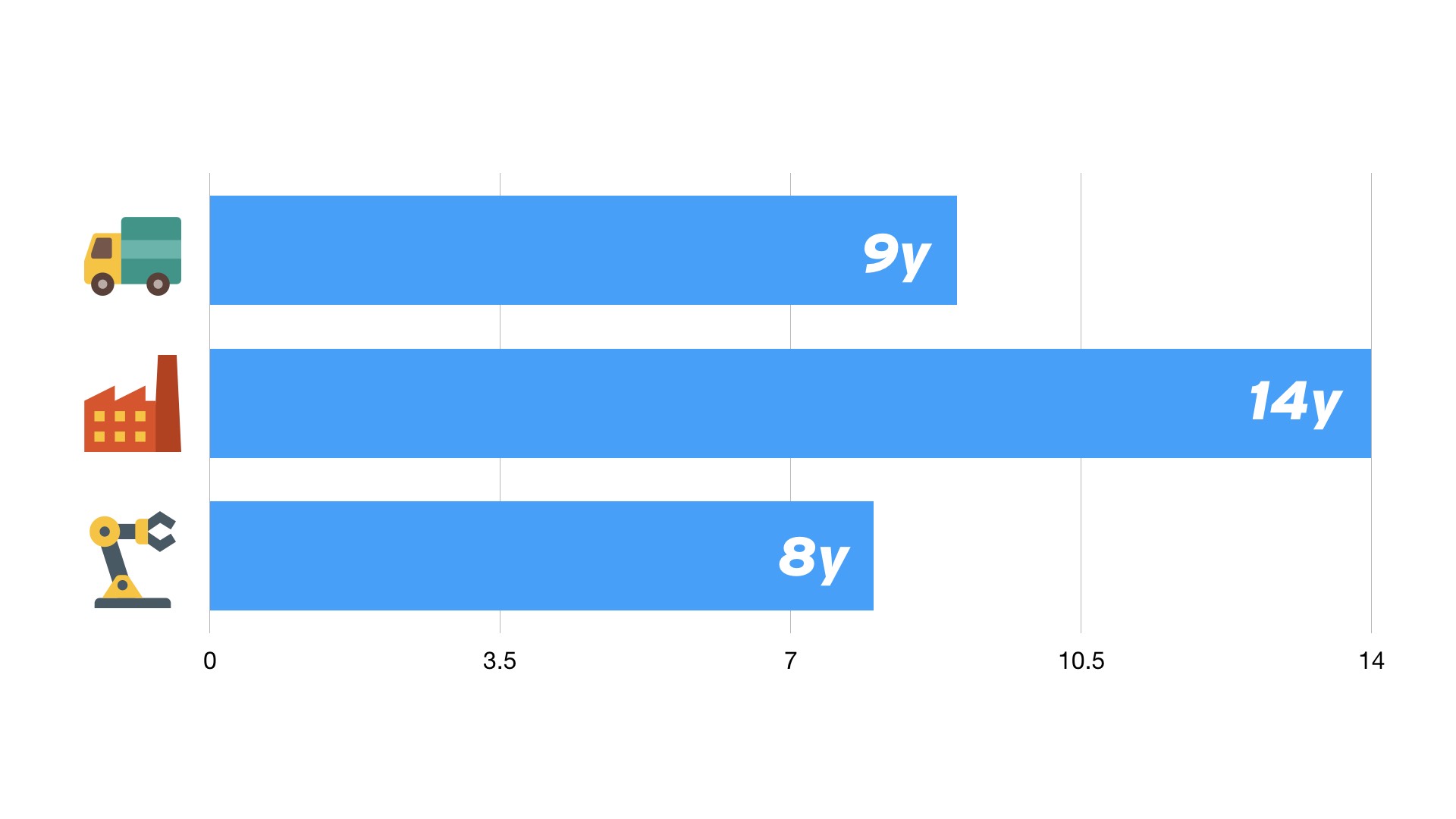
Keep the lifespans in mind: roughly nine years for vehicles, fourteen for factory equipment, and eight for robotic arms.
Those are long commitments.
The security plan needs to cover the useful life of the equipment, including how it will be maintained and supported as the world around it changes.
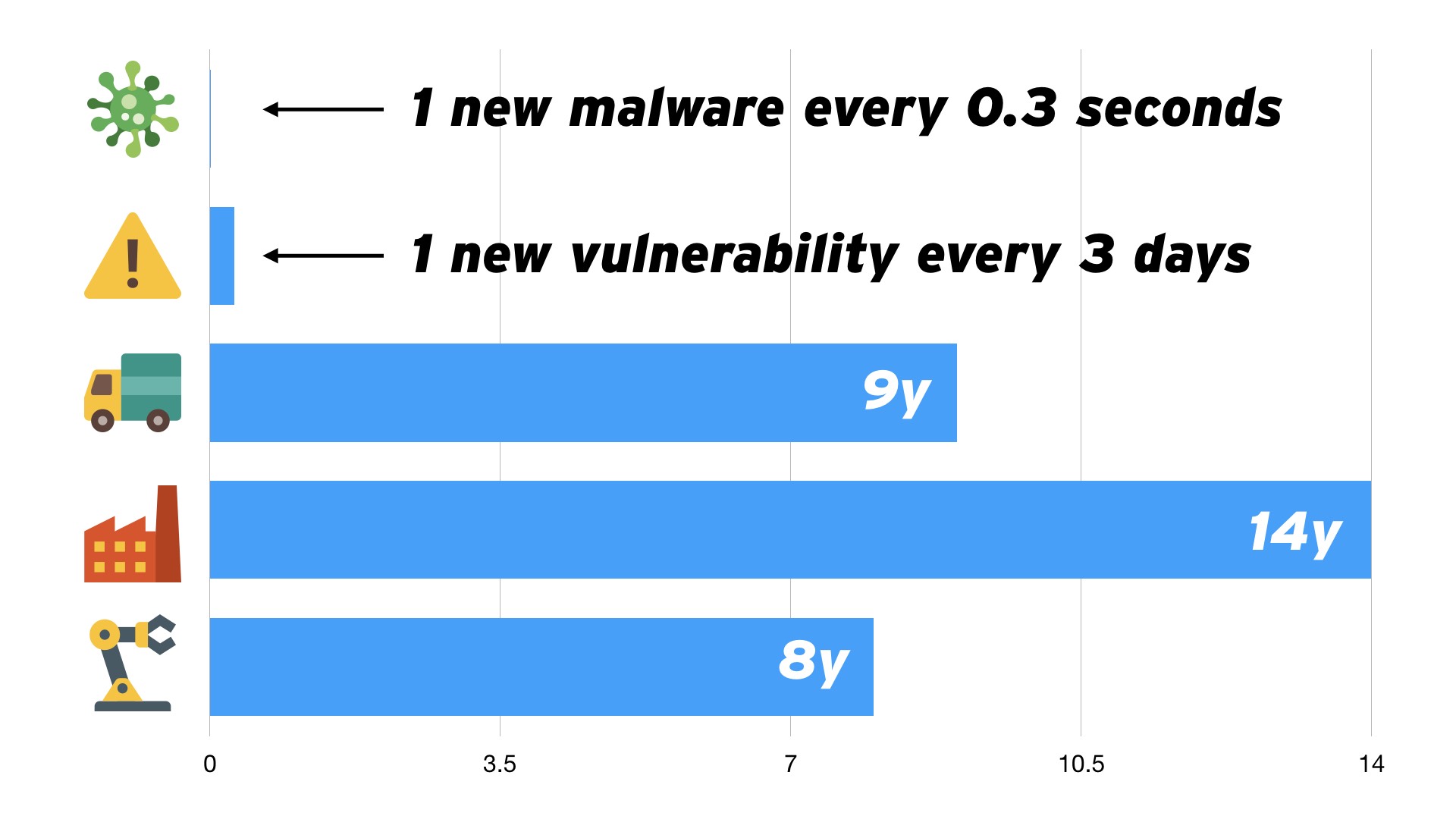
Now compare those lifespans with the pace of change on the cybersecurity side.
The figures used for this talk were a new operational-technology vulnerability every three days and a new malware sample every 0.3 seconds. That malware figure is across the wider threat landscape, not just attacks on these machines.
The mismatch is the point. Equipment designed to last for years faces a security environment that keeps changing every second throughout its service life.
We need to plan across both timescales.
You can replace a web server relatively quickly. Replacing a factory or a fleet of vehicles is a very different exercise.
Updates are part of the answer, but so are the decisions we make before deployment: how the equipment connects, what it trusts, how it can be maintained, and how we will manage the risk over time.
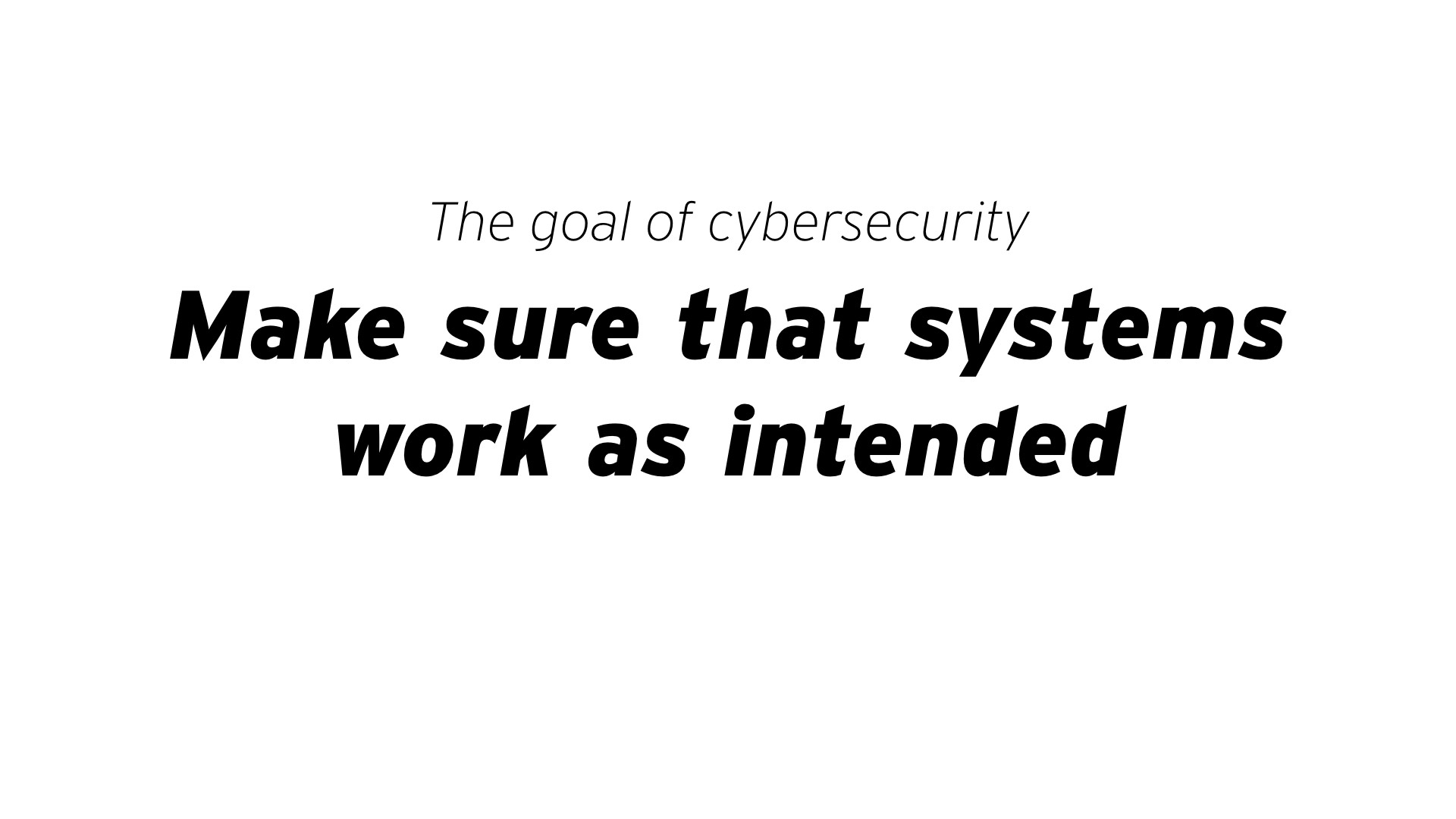
It comes back to the same goal: make sure that systems work as intended.
That applies just as much to a robot, a factory controller, or a vehicle as it does to a website.
We need to understand the job, the people relying on it, and the consequences when it goes wrong.
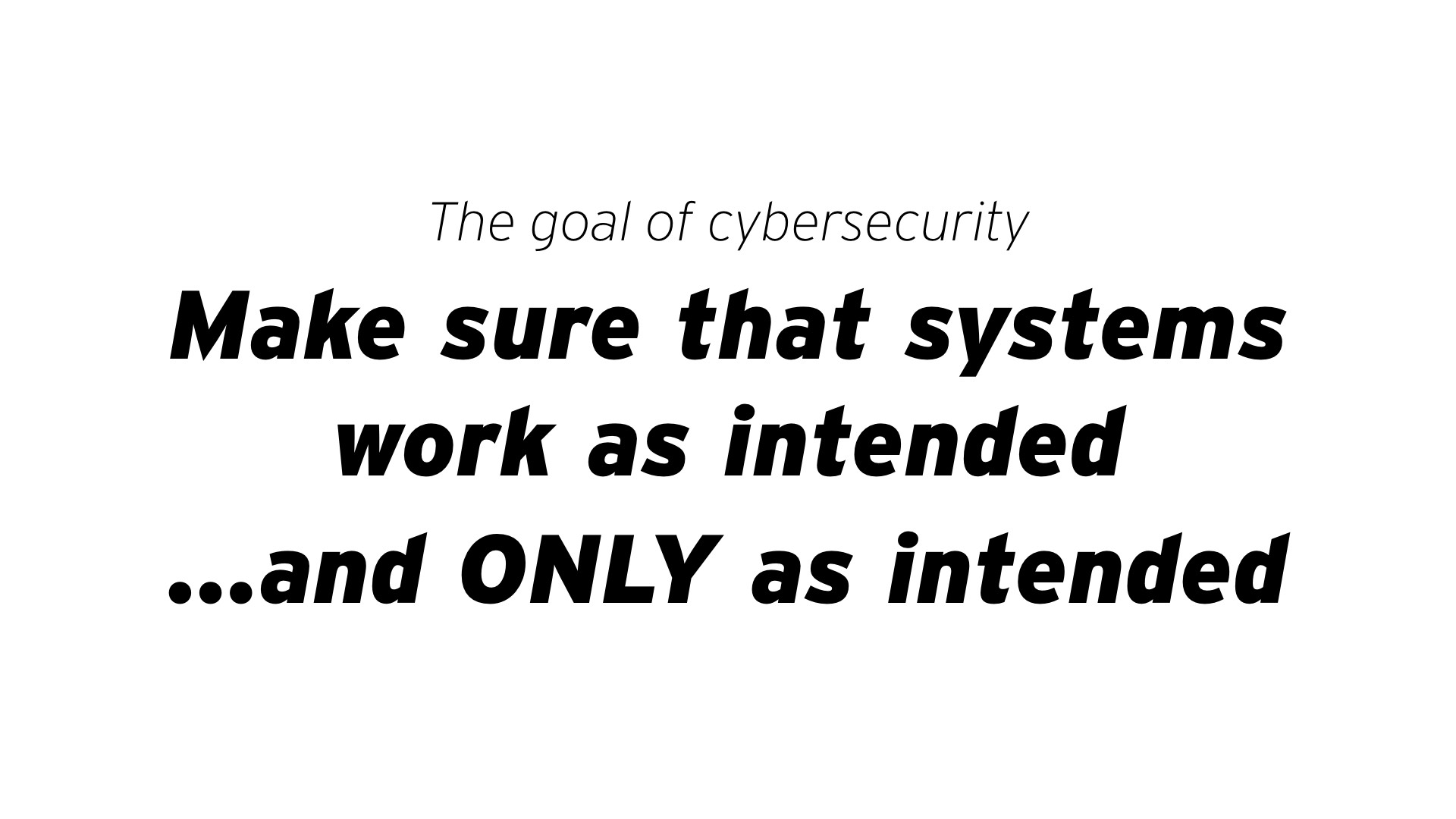
But it's that last clause, '...and only as intended' that is where we need to focus most of our efforts.
The robot should make the movement we asked for. The controller should accept changes from the people authorized to make them.
That's the outcome we're trying to protect. Keeping that goal in view helps security and engineering work together.
There's a lot to be excited about here.
Robots and automation can do useful work, and the people building them have plenty of problems worth solving.
Let's make security part of that work so we can keep the benefits as these systems become more connected.
Thank you!
The research papers and references are collected below. They're a good place to dig into the technical details behind these examples.
You can also find me online as @marknca.
A special thank you to the teams at Trend Micro Research and Politecnico di Milano for the technical work on articulated robotic arms and the CAN bus standard.
This talk draws on their research and the work with manufacturers to understand and address these problems.
Research
Here are the research papers mentioned in the talk;
- The Crisis of Connected Cars: When Vulnerabilities Affect the CAN Standard
- Trend Micro smart factory research;
- Smart Factory Security Part 1: Looking at the impact of poor cybersecurity in factories
- Smart Factory Security Part 2: What Management Should Know in Securing a Factory
- Smart Factory Security Part 3: Ransomware countermeasures for factory operations
- Smart Factory Security Part 4: Lessons Learned from the WannaCry Attack
- Rogue Robots, Testing the Limits of an Industrial Robot’s Security
References
During the talk, I made a number of references. Some were just to keep things light but I think they’re all interesting (which is why I said them). Here are those references;
- The BB-8 Sphero toy
- The new “The Jetsons” comic series
- UBTech Alpha 1 Pro entertainment & educational robot
- iRobot Roomba robot vacuums
- Skydio R1 self-flying camera
- Amazon Prime Air drone delivery
- Amazon Robotics, formerly Kiva Systems, warehouse robots
- 2018-Mar-06 article from The Verge, “Uber’s self-driving trucks are now delivering freight in Arizona”
- 2014-Jun-04 article from Popular Science, “Robot Truck Convoy Tested In Nevada”
- the CAN bus (ISO-11898) standard for in-vehicle networks
- IBM X-Force Threat Intelligence Index
- 2017 Data Breach Investigations Report from Verizon
- U.S. Bureau of Economic Analysis reporting on U.S. GDP
- ICS-CERT Annual Vulnerability Coordination Report